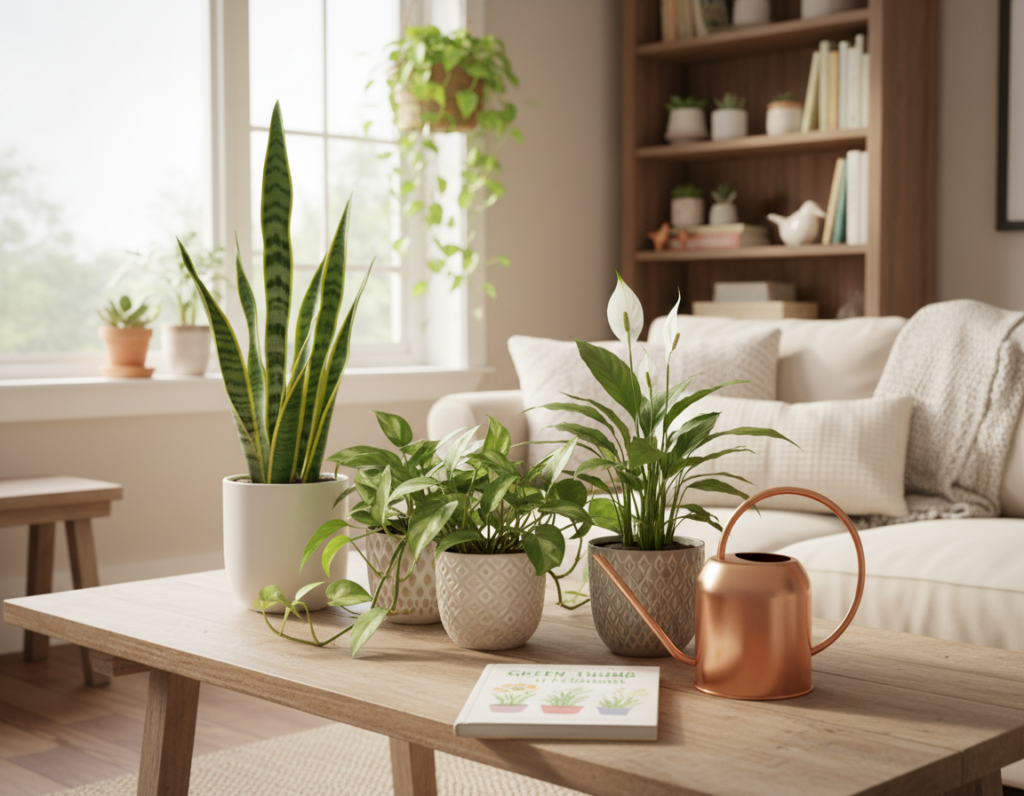
,, Choosing the right pot is more than a style decision. A decorative pot can lift a room, yet the wrong planter can choke root growth and harm soil health.
Readers learn how pot size, drainage and hole placement affect watering and root access to oxygen. This guide shows the link between pot plant design and long‑term growth.
Whether a plastic liner or a ceramic vessel is used, the container size alters how soil holds water and how roots spread. A saucer may protect furniture, but a sealed base or clogged holes can trap moisture and invite rot.
Practical tip: clean nursery liners with one part bleach to nine parts water to control disease before reuse. With a few simple tips, gardeners can match plant pots to each plant’s needs and avoid stunted growth.
The Hidden Dangers of Improper Plant Containers
Improper planters often hide slow problems that choke a plant’s roots long before symptoms appear.
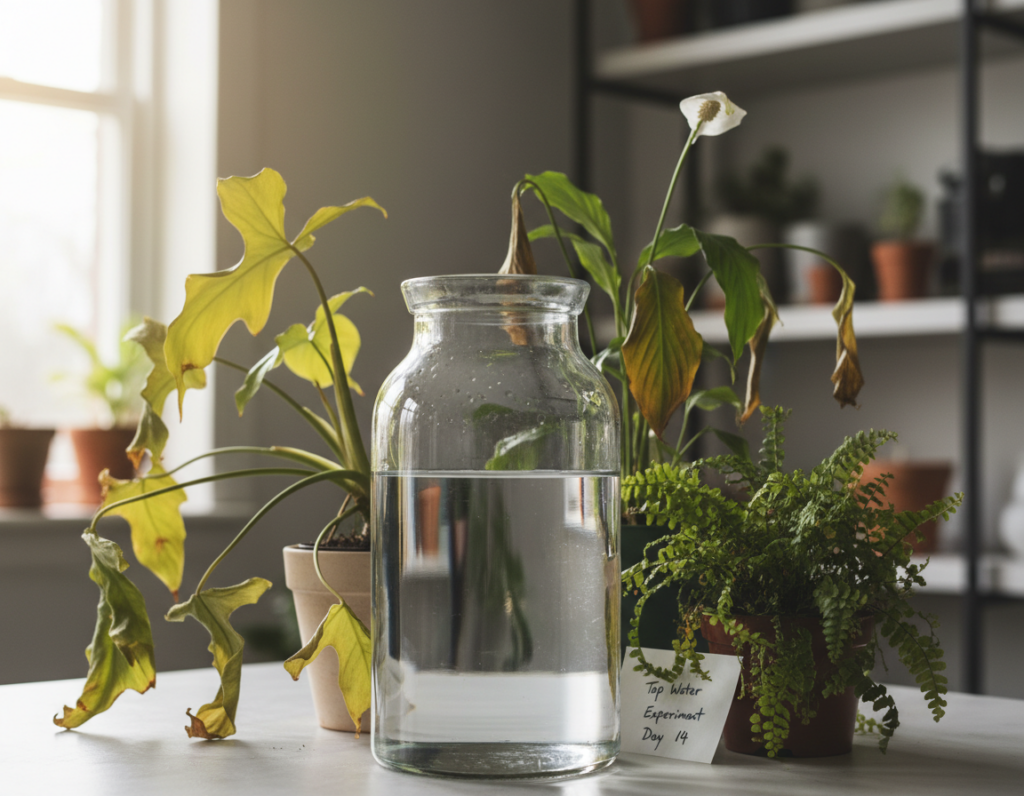
Overwatering is the most common maintenance mistake. When a pot has no drainage, roots sit in excess water and begin to rot. That decay blocks nutrient uptake and shows as yellow leaves.
Many decorative planter designs lack holes at the bottom. Moisture then pools against the soil and harms root oxygen levels. A saucer can catch runoff, and a plastic liner inside a larger container helps protect a wood floor or indoor surface.
Tip: check that plant pots release trapped water. Roots need air to function; a waterlogged environment suffocates them and ruins the garden or living space. Simple drainage fixes prevent most failures and keep plants thriving.
Evaluating the Best Containers for Indoor Plants
Size, weight and material each change how a pot supports growth. A clear plan helps match a planter to a plant’s needs and the homeowner’s space.
Size Considerations
Right-sized pots prevent root crowding and excess moisture. Small houseplants like African violets do well in a ceramic or plastic pot 4 to 5 inches across.
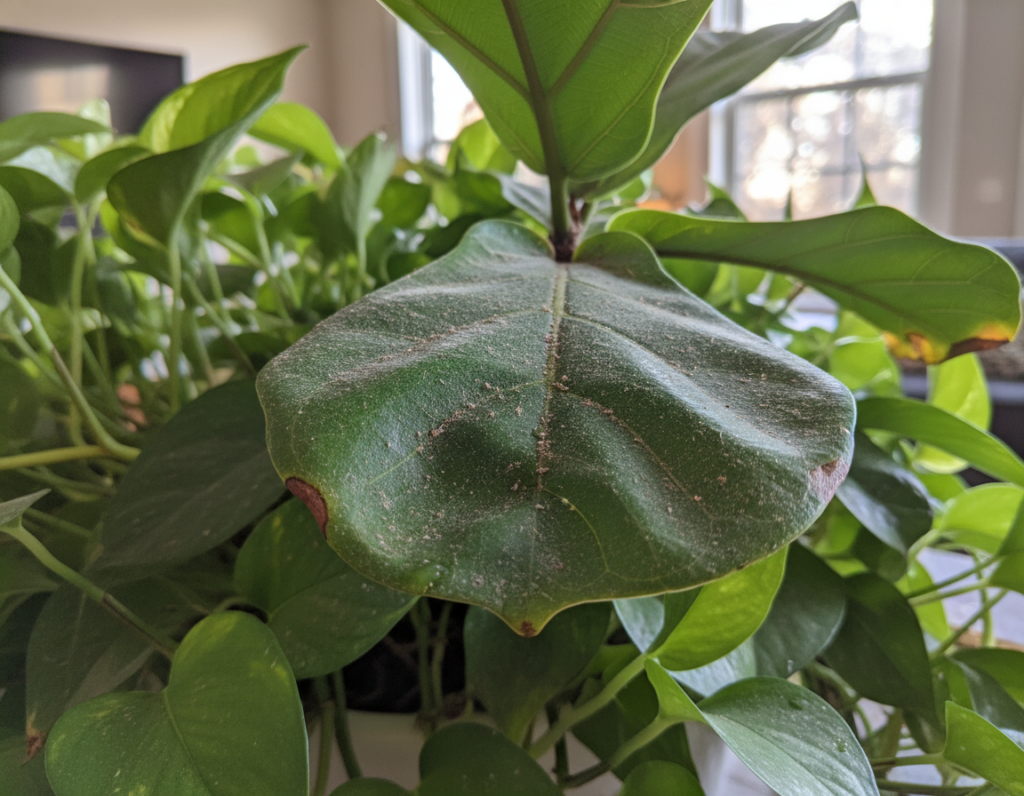
Large specimens need room to grow. A Fiddle Leaf Fig should sit in a container about one third wider than its root ball. Trailing philodendrons often move into hanging baskets 1–2 inches wider than their nursery pot.
Weight and Mobility
Practical weight matters. Clay and heavy ceramic help regulate soil moisture but can be hard to move. Plastic planters are lighter but hold more water.
- Check how much wet soil will weigh before placing a pot on a shelf.
- Use plant caddies or lightweight liners when mobility is required.
- Consider vertical planters to save floor space without crowding roots.
Mastering Drainage Strategies for Healthy Roots
Managing how water leaves a pot is the single most practical step to protect a plant’s roots. Proper drainage prevents water from pooling and keeps soil oxygenated. This supports steady growth and reduces disease risk.
The role of drainage holes is simple: they let excess water escape so roots do not sit in soggy soil. If a pot lacks holes, water collects at the bottom and harms core root function.
The Role of Drainage Holes
Drainage holes should be unobstructed and sized to match the pot. A few well-placed holes help even moisture distribution and speed drying after watering.
Pot within a Pot Techniques
Using a plastic nursery liner inside a decorative planter lets someone remove the plant to soak or inspect roots. This pot-within-a-pot method protects floors and makes watering easier.
DIY Drainage Workarounds
Adding a 10cm layer of clay hydro granules at the bottom creates a reservoir that keeps excess water away from the root zone in outdoor settings.
- Drill a hole in ceramic with the right bit to add drainage.
- Choose a saucer deep enough to catch runoff and protect the surface beneath a pot.
- Use a well-draining potting mix so water moves through the container efficiently.
“Mastering pot drainage is the most effective way to prevent root rot and ensure a plant maintains a healthy growth cycle.”
Matching Pot Materials to Plant Requirements
Different pot materials change how soil breathes, how moisture moves, and how roots grow. Selecting the right material helps match a planter to the watering and air needs of each plant.
Comparing Ceramic, Terra Cotta, and Plastic
Ceramic pots offer many colors and patterns and suit those who prefer a decorative surface. When glazed, ceramic holds water longer, so drainage and a saucer are important to avoid trapped moisture.
Terra cotta is porous and lets oxygen move in and out of the soil. That trait helps prevent overwatering issues but makes clay heavier and more fragile.
Plastic planters are lightweight and nearly unbreakable. They retain water, so they work well when consistent moisture helps vegetables and herbs thrive.
- Radishes need about 9 inches of depth to grow straight down.
- Basil benefits from a container at least one third of the plant’s height.
- Always ensure the bottom has a hole and good drainage to keep soil healthy.
“Match material to plant habits to let roots spread and soil breathe.”
For a quick reference and care tips, see this material guide.
Conclusion
, This final summary ties practical pot choices to healthier root systems and longer plant life.
Key idea: proper drainage and the right pot size are the clearest ways to protect roots and prevent rot. Inspect holes and use a saucer or a liner when needed to keep excess water away.
Ceramic, clay or plastic planters each change how soil dries and how often a person must water. Match material to a plant’s needs and the home’s design to keep growth steady.
Follow these simple tips and the room will host lush foliage that fits the space. For a step-by-step reference, consult this ultimate pot guide.