Many gardeners assume municipal supplies are harmless. Yet common additives and minerals can hinder growth. They may stunt roots, scorch leaf edges, or alter soil chemistry.
Understanding how to make tap water safe matters. The quality of the supply varies widely across the United States. Sensitive species often show distress long before signs are obvious.
The guide explains how to tell if your tap water safe standards are met and what to do next. It covers simple steps to remove harmful chemicals and help keep foliage vibrant.
By following these professional tips, a caretaker can improve growth and avoid common mistakes when watering plants. Small changes yield healthier stems, stronger roots, and more vivid leaves.
Understanding the Impact of Tap Water for Indoor Plants
Many common municipal supplies carry dissolved minerals and chemicals that quietly change potting soil pH over months.
Research shows about 85% of the United States receives hard water, rich in calcium and magnesium. High mineral loads can slowly raise pH and limit a plant’s ability to take up key nutrients.
Monitor foliage for yellowing, stunted growth, or crusty pot rims. These signs often mean the delivery system and supply quality are affecting health.
- Hardness from calcium magnesium alters soil over time.
- Excess minerals can build up and block nutrient uptake.
- Test the supply to confirm a 5–7 pH range that most species prefer.
While some minerals help growth, too much causes harm. Remember, municipal standards target human safety, not optimal botanical quality. Periodic testing and simple treatments will help ensure the tap water safe levels match what the plant needs.
Common Chemical Contaminants Affecting Plant Health
Common additives in municipal supplies can upset the tiny ecosystems living inside potting mixes. These changes often show up slowly as dull leaves or slow growth.
Chlorine and Chloramine
Municipal facilities add chlorine and chloramine to kill germs.
Those chemicals reduce beneficial microbes that help nutrient uptake.
Activated carbon filtration or targeted treatment removes most of these harsh agents.
Mineral Buildup and Salinity
High levels of dissolved minerals like calcium and magnesium cause crusty rims and higher pH in pots.
That build-up can block a root’s access to vital nutrients.
“Regular testing and a good filter system protect soil biology and support steady growth.”
- Recognize common contaminants and treat the supply promptly.
- Use a certified filter or carbon media to lower chemical load.
- Monitor pH to prevent higher tap water effects on nutrient uptake.
When municipal quality fluctuates, regular checks help the plant recover and keep steady growth with safe hydration.
Identifying Plants Sensitive to Municipal Water
Some species reveal supply-related stress very clearly. A caretaker can spot problems early by checking leaves, tips, and new shoots. Quick recognition helps protect delicate collections before damage becomes severe.
Signs of Toxicity in Foliage
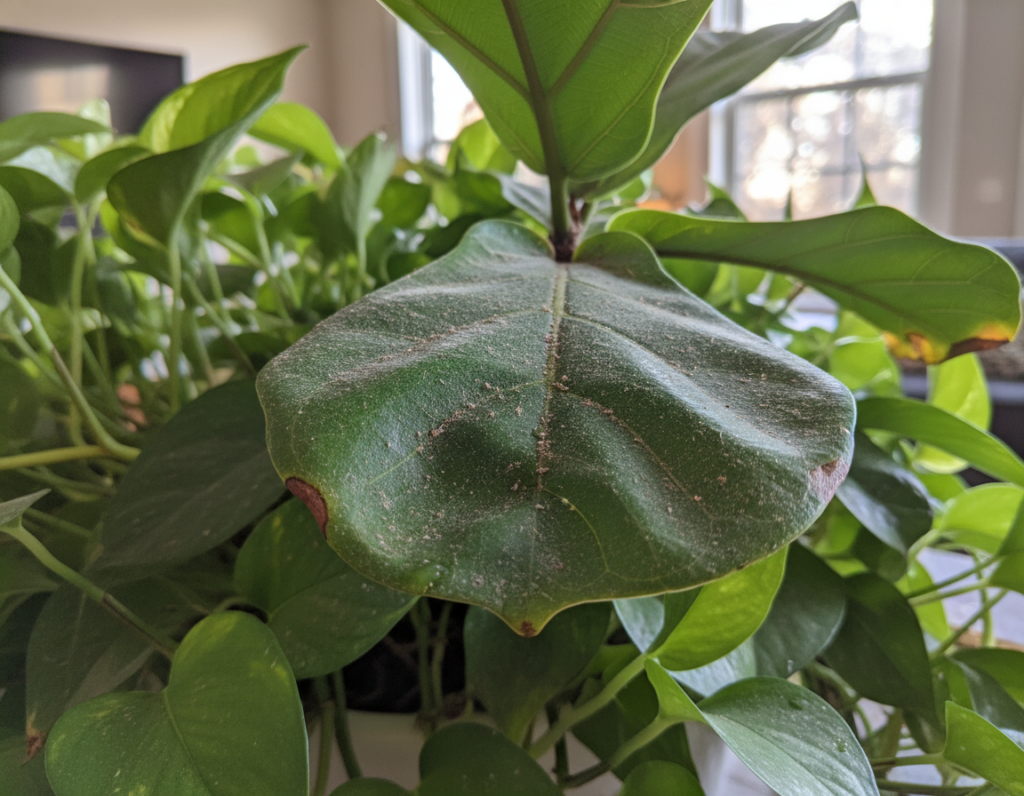
Brown tips and yellow margins often point to fluoride or chlorine exposure from tap water. Observing these changes over weeks clarifies whether chemicals in the soil are to blame.
Stunted growth and slow recovery after pruning suggest mineral buildup from hard water has reduced nutrient uptake. Over time, salts form crusts on pot rims and choke root access.
- Spider plants commonly show brown tips from low-level chemical stress.
- Leaf burn and spotting frequently follow exposure to high chlorine levels.
- Consistent yellowing or tiny dead patches means the soil chemistry needs testing.
Early detection lets a caregiver shift to a water safe plants approach and restore healthy growth before losses occur.
How to Dechlorinate and Treat Your Water
Removing chemical residues is often quick and avoids months of slow decline. Simple approaches reduce chlorine and chloramine and protect delicate roots. Choose a method based on time, scale, and local contaminants.
Evaporation Techniques
Letting a bowl sit uncovered for 24 hours allows chlorine to evaporate naturally. This low-cost step works well with small volumes and no equipment.
Note: Chloramine does not dissipate as easily, so testing the supply first helps decide if this is enough.
Using Water Conditioners
Tap water conditioners neutralize both chlorine and chloramine in minutes. A quality tap water conditioner also protects beneficial microbes and balances salts.
- Quick action: Immediate treatment when time is limited.
- Long-term: One Southside Houseplant bottle treats up to 16,000 gallons, making it cost-effective.
- Always pick a product rated to handle local chemicals and contaminants.
Boiling Methods
Boiling for 15–20 minutes removes free chlorine reliably. It does not remove heavy metals or dissolved salts.
To make distilled water, collect and condense the steam in a clean system. Distilled water plants often prefer, but this takes more time and gear.
“When caregivers make tap water safe, they maintain the chemical balance needed for steady root growth.”
Comparing Filtration Systems for Better Growth
Not all filtration options deliver the same balance of purity and useful minerals for potted greenery. Reverse osmosis (RO) units remove most contaminants but also strip 92–99% of beneficial minerals. That level of removal helps reduce harmful chemicals and chloramine but can leave soil lacking essential nutrients.
Certified systems matter. The Aquasana SmartFlow reverse osmosis system meets NSF/ANSI Standards 42, 53, 58, and 401, giving strong protection against many contaminants. Users should confirm local tap quality using the EWG’s Tap Water Database to choose the best water filter option.
- Carbon filter units excel at removing chlorine and chloramine while retaining most beneficial minerals.
- RO systems are best when chemicals or heavy metals are persistent, but consider remineralization if nutrient loss is a concern.
- Avoid simple ion-exchange softeners that add sodium; they can harm spider plants and reduce growth.
- Whole-house systems provide consistent quality at every tap and reduce the need for constant treatment.
“Compare performance, certifications, and whether a system restores minerals to protect growth.”
For guidance on choosing the right source and techniques to make tap water safe, see this short guide to the best water for houseplants.
Adjusting Water pH for Acid-Loving Varieties
When the household supply holds high alkalinity, acid-preferring specimens lose access to key nutrients. That condition often shows as yellowing or slow new growth. Testing pH regularly helps detect a rising baseline before damage becomes severe.
Natural Methods to Lower Alkalinity
Simple, natural additives can lower alkalinity quickly. A small amount of lemon juice or vinegar added to a measured volume will reduce pH and improve uptake of iron and other elements.
Use caution: add acid slowly and retest pH after each adjustment. Too much change stresses roots and harms beneficial microbes.
- Test first: measure pH and hardness to target the right dose.
- Soil amendments: incorporate peat, sphagnum, or elemental sulfur to maintain a long-term acidic balance in the soil.
- Watch minerals: high calcium and magnesium in hard water often cause nutrient lock; lowering pH helps release locked nutrients.
“Careful pH management gives acid-loving species the best chance to absorb nutrients and remain vigorous.”
When slow growth appears, review both supply chemistry and soil condition. Adjusting pH with natural methods and routine testing protects the collection and restores nutrient balance.
Conclusion
A simple shift in hydration practice can unlock steadier growth and fewer leaf problems.
Improving source quality is a straightforward, high-impact step. Using a reliable water filter or a trusted tap water conditioner helps remove common contaminants like chlorine and chloramine while keeping useful minerals intact.
Consistent watering plants with treated supply prevents crusty pots and nutrient lock that slow growth. Choosing carbon filtration or a remineralized reverse-osmosis system balances purity and mineral needs.
Remember that distilled water plants may need extra feeding; filtered supply often offers the best overall water quality for steady vigor. With these steps, caregivers can confidently make tap water safe and keep green collections healthy.