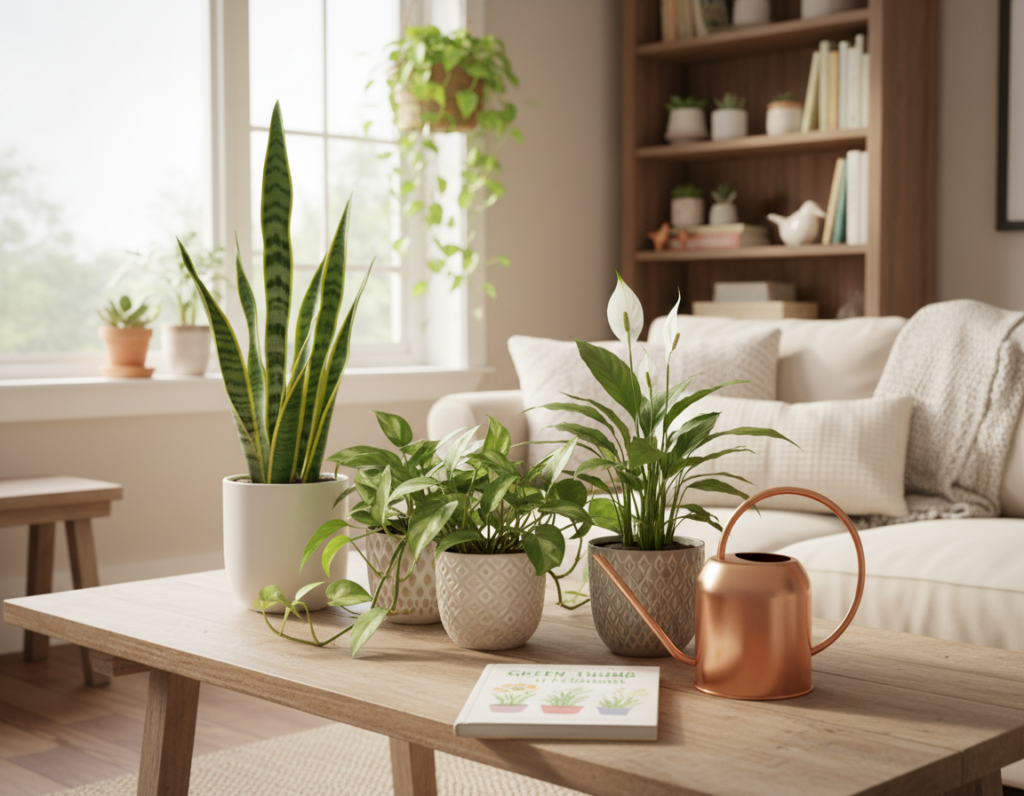
He draws on years as an interior landscaper to stress that one schedule does not fit every green collection. The phrase watering indoor apartment plants captures a common struggle: owners often treat each specimen the same, then face droop or rot.
The author explains that light, pot size and air flow change how fast soil dries. By checking the surface and probing the pot, they can tell if roots need water or if excess moisture lingers.
Practical tips start with daily observation. Small houseplants like a Snake Plant need less frequent care than a Ficus benjamina. Timing and season shift the routine, so adjust how much you water and when.
These simple steps help keep soil healthy, preserve leaves and avoid root rot. With a tailored approach, houseplants thrive even in tight spaces.
Understanding the Fundamentals of Watering Indoor Apartment Plants
Experience taught him that a plant’s demand for moisture changes with its environment and cannot be guessed from a schedule alone. He combined formal study in landscape and environmental horticulture with years managing commercial green spaces.
Observation trumps routine. In practice he checks leaf tone, turgor and the top of the soil before adding water. Cells act like tiny water balloons; when they are full, a plant stands upright and looks healthy.
Transpiration drives movement: as the sun evaporates moisture from leaves, the root system draws more water up. This process also carries minerals to growth zones, so regular, thoughtful hydration supports both structure and nutrition.
The author stresses species context. Some evolved in arid climates and need drier soil cycles. Others come from rainforests and prefer steady moisture. Matching care to origin reduces stress and pest issues.
“Learn to read each specimen; that knowledge is worth far more than a calendar.”
- Check soil surface and probe roots before adding water.
- Let plant signals guide frequency, not a fixed date.
- Remember: moisture moves minerals and supports structure.
Key Variables That Influence Your Watering Schedule
Sunlight intensity, container dimensions and the mix beneath the surface together dictate how quickly the soil will go dry.
Light Exposure
More light speeds transpiration, so plants in bright windows often need water more often. Less light slows the process and means your specimen will hold moisture longer.
Tip: Track temperature and light for a week to see how many days pass before the soil feels dry.
Pot Size and Material
Small pots dry faster than large ones because they hold less soil. Terra cotta and clay are porous and let air reach the root ball, so those pots may need water more frequently.
The author uses a moisture meter for large floor pots because roots often sit deeper than the surface probe can reach.
Soil Composition
Standard potting soil holds moisture differently than mixes with lava rock or large grit. Lava rock drains fast and forces more frequent water checks.
Use the finger test—insert a finger 1–2 inches into the soil—to confirm if a plant needs water. Always choose a pot with a drainage hole to avoid water pooling at the bottom and risking root rot.
- Different plants have different watering needs; succulents and tropical plants require distinct schedules.
- For a 5′ Snake Plant in a large pot, the author recommends once a month in warm months and every two months in winter.
- For large specimens, a moisture meter and regular checks beat a calendar-based routine; learn more detailed guidance at how to check moisture.
Essential Techniques for Proper Hydration
Good hydration starts with technique: how you apply water affects soil balance and root health.
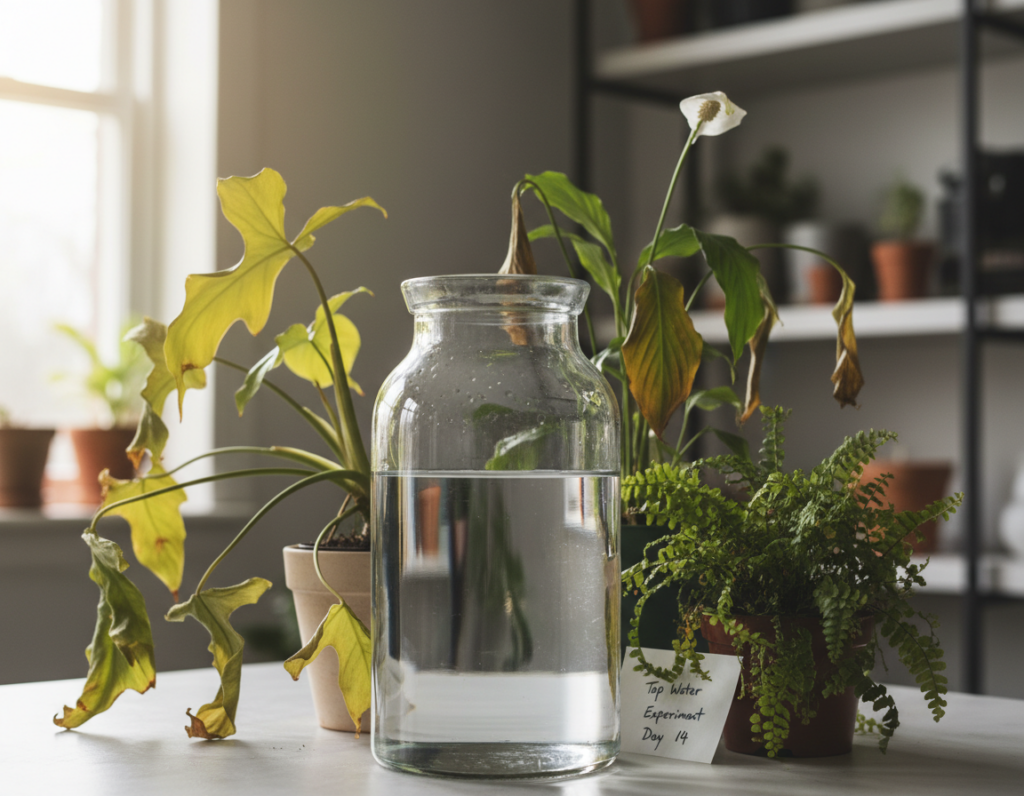
Top watering is his go-to. He soaks the mix until water drains from the drainage hole. This flushes built-up salts from the potting soil and wets the whole root zone.
Bottom watering can help picky specimens. Place a pot in a tray with a few inches of water for about 30 minutes, then remove it. Never leave a pot sitting in water longer than that to avoid root rot.
- Use room temperature water during the day to avoid shocking roots.
- A narrow-spout can lets him move the flow around the pot so the water spreads through the mix.
- Allow excess water to drain and empty the saucer after 15–30 minutes.
- Avoid splashing leaves to reduce the risk of fungal spots on houseplants.
Tip: top watering regularly flushes salts; bottom watering is a short rescue, not a full substitute.
Identifying Signs of Overwatering and Underwatering
Subtle cues from leaves, stems and the soil surface reveal whether roots are drowning or thirsty. Learn to read these signals before making changes.
Recognizing Overwatered Plants
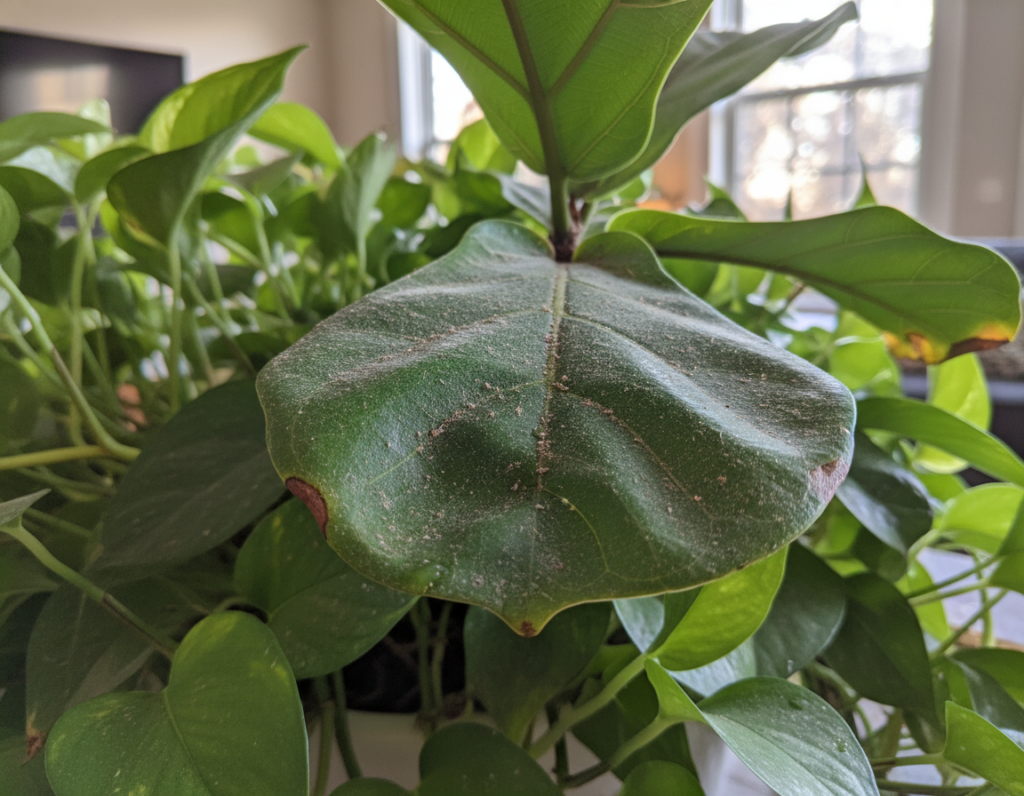
Soft, yellow leaves and mushy stems often mean the root system is deprived of air. A sour or musty smell from the potting soil is another red flag.
Fungus gnats or mold on the surface show the mix has stayed soggy too long. In severe cases, gently remove the plant and shake away saturated soil.
If rot is present, repot into fresh, dry potting mix and trim affected roots. Improve drainage and empty the saucer after each water to avoid excess water pooling at the bottom.
Correcting Underwatering Issues
Dry, dusty soil that pulls from the pot edge and crisp, thin leaves point to lack of water. The author notes plants often recover faster from this than from prolonged overwatering.
Use your finger to check 1–2 inches down; if the soil is dry, give a deep, even soak so water reaches the roots. Expect visible improvement within days.
Tip: Monitor leaves and the moisture level regularly; quick checks save time and prevent long-term damage.
- Check the finger depth (1–2 inches) for a reliable reading.
- Repot into fresh potting mix when soil smells sour or roots are mushy.
- Empty the saucer after watering to protect roots and drainage.
Seasonal Adjustments for Your Indoor Greenery
As daylight and room temperature swing with the seasons, the pace of growth and moisture use also shifts.
Winter rest means less frequent care. Many houseplants slow growth and need far less water in cooler, darker months.
For example, a 6″ Pink Aglaonema may need water every 7–9 days in summer but only about 14 days in winter. Succulents go nearly a month between drinks when semi-dormant.
Tropical plants like Monstera deliciosa often water twice weekly in summer, then drop to once every one to two weeks in winter. He stresses adjusting routines rather than following a fixed calendar.
“Observe new leaf growth and soil moisture; they tell you when to increase or reduce care.”
- Light and temperature shifts change how fast soil dries.
- Use quality potting soil to balance moisture, but flush salts occasionally.
- Watch growth and leaves to decide when a specimen needs water.
Conclusion
Careful observation and small adjustments help each specimen thrive more than strict timetables. He recommends using the finger test and watching leaf tone and growth to decide when to water. This reduces risk of root rot and salt buildup.
Different plants have unique watering needs, so match the approach to the pot, soil and light. Use a saucer and a drain hole to protect surfaces and avoid standing water at the bottom.
With patience, simple checks and these practical tips, anyone can keep healthy houseplants. Allow a little time between soaks; most will tolerate 7–24 days without help, so err on the cautious side.