Many tropical houseplants need warm, moist air to thrive. Species like Monstera Deliciosa evolved in rainforests. They do best when the indoor environment mimics that climate.
As winter arrives, the air inside a home gets much drier. This change stresses sensitive indoor plants and can slow growth.
Understanding basic needs helps caregivers act early. Simple, natural steps can protect foliage and keep leaves glossy. One practical guide lists several methods and tools; see 6 ways to increase humidity for for ideas.
By matching room levels to what tropical species prefer, a person can create a healthy microclimate. Proper care reduces stress and keeps houseplants vibrant through winter.
Understanding Humidity Stress in Indoor Plants
Low indoor moisture can quickly stress houseplants that evolved in wet climates. Many tropical species do best with relative levels well above what typical homes hold.
The ideal range for most tropical houseplants is about 40–60%. When the air falls below that window, visible symptoms appear and demand action.
- Brown leaf edges, yellowing, or crisp tips signal reduced moisture.
- A single drooping stem or a yellowing leaf can be the first clear warning.
- Species from rainforests are often the fastest to show distress in dry environments.
Monitoring each specimen and every leaf helps spot problems early. Simple checks of the immediate environment will keep collections healthier and more resilient against dry indoor air.
Identifying Symptoms of Dry Air
Subtle changes in foliage are usually the earliest sign that room air is too dry. A quick inspection of each specimen helps spot trouble before it spreads.
Leaf Discoloration
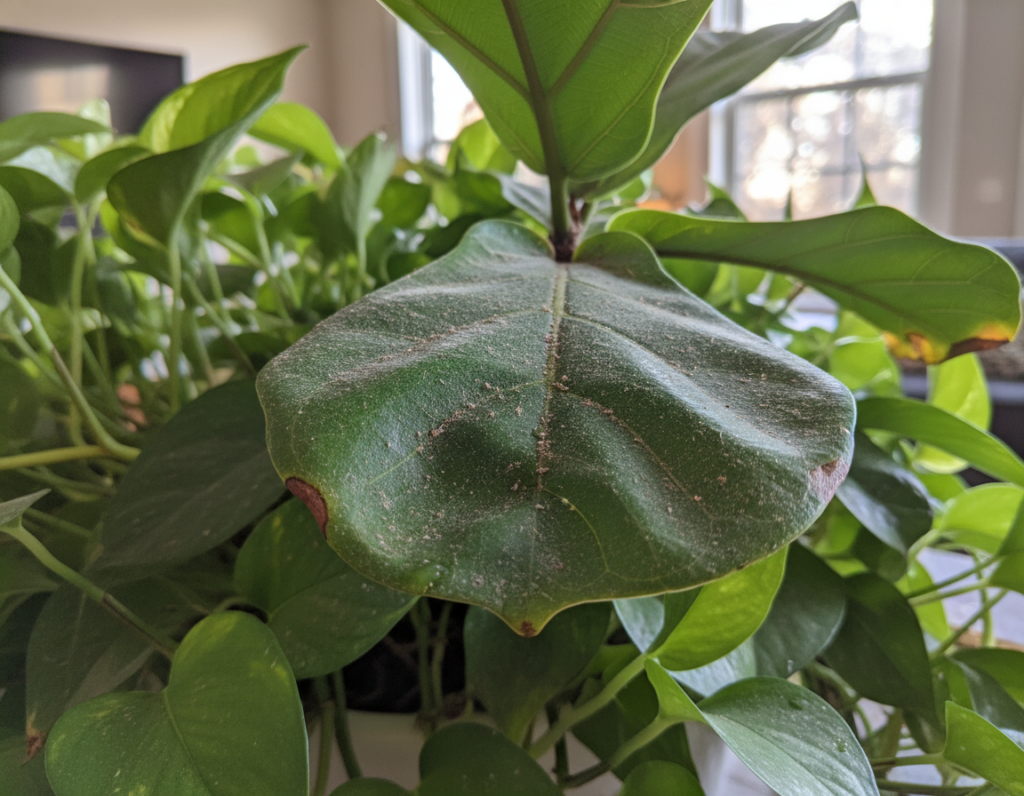
Crispy brown edges on a leaf are one of the most common symptoms of low humidity. When tips darken or margins turn brittle, the plant is losing moisture faster than it can replace.
Yellowing between veins or small brown specks can also point to prolonged dry conditions rather than a nutrient issue.
Structural Wilting
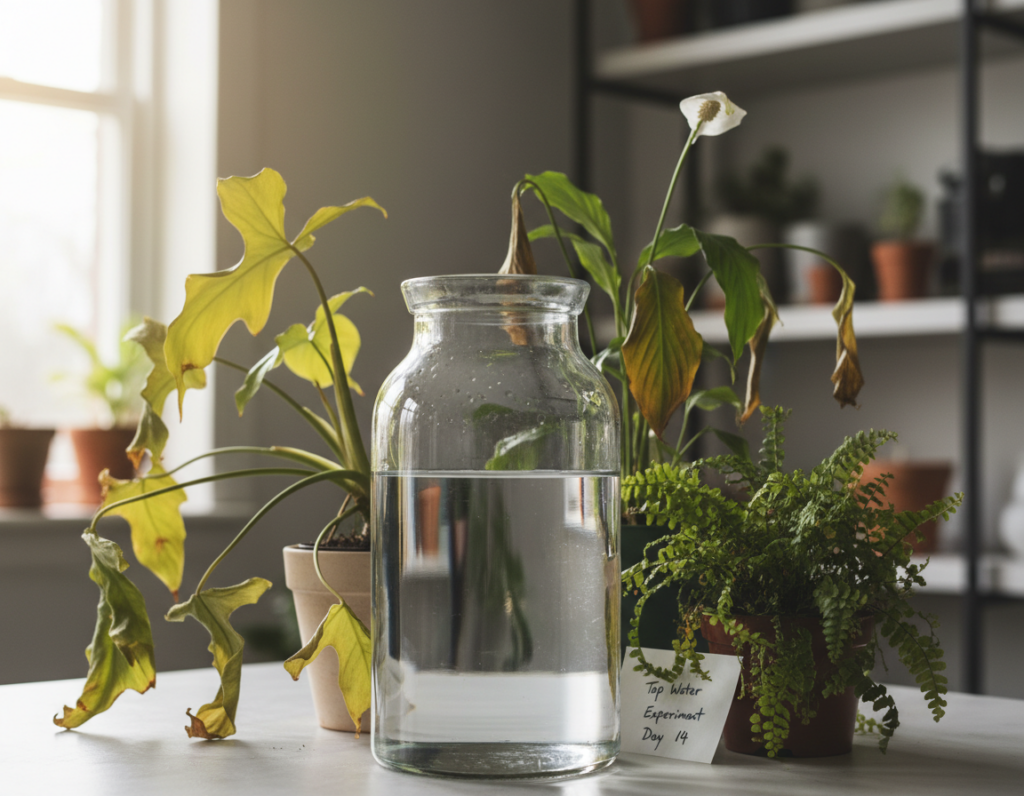
Wilting despite regular watering often signals the surrounding air is too dry. If the soil is moist but the foliage droops, the problem is likely atmospheric, not root health.
- Leaf curling or dropping shows stress in many houseplants.
- Foliage that feels brittle means the plant lost surface moisture.
- Regular inspections catch these symptoms early and protect the whole collection.
Proven Ways to Increase Humidity for Apartment Plants
Practical tricks help recreate a moist, sheltered microclimate that tropical species favor.
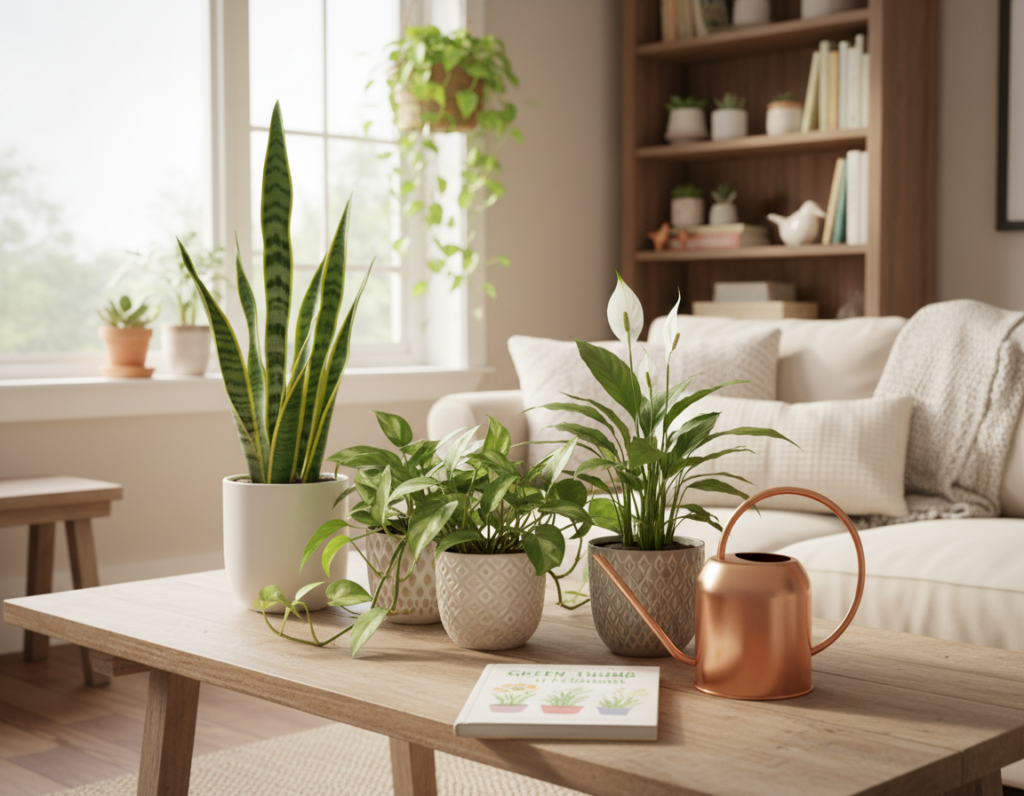
Grouping several specimens in one spot is an easy way to raise humidity and form a shared microclimate. Transpiration from many leaves adds moisture to the air and makes it easier to keep plants healthy during winter.
Grouping Plants Together
Place pots near each other on a sunny shelf or tray. The combined transpiration helps the room hold more moisture air near foliage.
Using Pebble Trays
Set a waterproof tray with a shallow water layer and a pebbles layer on top. Pots sit on pebbles so roots stay above water and avoid rot.
Applying Sphagnum Moss
Top the soil with a thin layer of sphagnum moss to retain moisture and support aerial roots. This technique is a proven way to keep leaf surfaces and nearby air more humid.
- A 15-minute lukewarm shower without exhaust can briefly push indoor air to near 100% relative levels.
- A glass dome or cloche works for a single specimen that needs a very wet microclimate.
- Use trays and grouping as low-tech methods before adding a humidifier.
These simple steps are low cost and easy to try. They protect leaves and roots while creating a friendlier room for indoor plants.
Leveraging Naturally Humid Rooms
Everyday routines like showering and cooking can produce pockets of warmer, wetter air ideal for certain houseplants.
Moving specimens into bathrooms or kitchens lets them benefit from regular steam and water vapor. These areas often hold higher moisture than living rooms, creating a small microclimate that suits tropical varieties.
Careful placement matters. Even a moist bathroom will not support growth without enough light. Choose a spot near a window or add bright artificial light if natural light is limited.
- Place pots on a shelf or counter where steam reaches leaves but roots stay dry.
- Grouping two or three specimens can help the local air retain more moisture.
- Using trays is optional; these rooms may reduce the need for extra tools to increase humidity home-wide.
A Monstera Deliciosa that lived permanently in a bathroom is a good example of how steady steam supports vigorous growth. Regular checks of light and soil will keep the microclimate beneficial and avoid overwatering.
Utilizing Specialized Equipment for Moisture Control
Specialized devices give precise control over room moisture and reduce guesswork. They work best when someone needs steady conditions across an entire living space or a collection of tropical specimens.
Selecting the Right Humidifier
A high-quality humidifier is the most reliable way to maintain consistent humidity levels in a room during dry months. Models tested by the author include Elechomes and Wiekurts, which offer adjustable output and timers.
Choose a unit with a built-in hygrometer or pair it with a separate sensor to monitor moisture air in real time. This prevents over-wetting and saves effort.
- Clean tanks weekly to avoid mineral buildup and biofilm.
- Use distilled or filtered water when possible to reduce residue.
- Place the device where airflow moves moisture evenly across the room.
Proper maintenance and regular checks protect roots and leaf tissue from dry air stress. A well-chosen humidifier is an efficient way to raise humidity home-wide and support healthy growth.
Best Practices for Seasonal Plant Care
Seasonal shifts call for small habit changes to protect delicate foliage through cold months.
Adjust watering and monitor humidity levels near each pot. In winter, many tropical species like Philodendron Billietiae and Philodendron Plowmanii need steadier moisture than succulents do.
Use a pebble tray with shallow water and pebbles under pots or practice grouping plants to create a shared microclimate. These low-tech steps raise local moisture around plant leaves without overwatering soil.
Keep leaves clean by gently wiping dust. Clean foliage breathes better and shows healthier color. Also check soil moisture and inspect roots regularly; seasonal colder air can change how fast a pot dries.
- Place a humidifier where it serves several specimens, not just one corner.
- Prefer trays and grouping in kitchens or bathrooms that get gentle steam.
- Balance watering so roots stay firm, not waterlogged.
Small, consistent care routines help houseplants keep vibrant leaves and strong roots through winter.
Conclusion
Thoughtful daily habits make the home environment friendlier to tropical specimens.
Use simple ways such as a humidifier, pebble trays, or grouping to mimic natural environments and protect houseplants.
Pay close attention during winter. Check soil and water needs regularly to prevent stress and leaf damage.
Most succulents tolerate drier air, while tropical species reward steady moisture and steady care with lush growth.
Maintaining a consistent home routine is the best route to keep an indoor garden healthy year‑round. Thank you for following this guide and tending your collection.