Knowing when a plant gets too much water is a vital skill for any gardener who wants houseplants to thrive. This short guide helps readers spot common trouble and take the right action in time.
The size of the plant and the potting medium affect how much water a specimen needs during a season. Soil type, drainage, and the container’s size all change moisture retention. He or she should check soil level and feel for wetness before each watering.
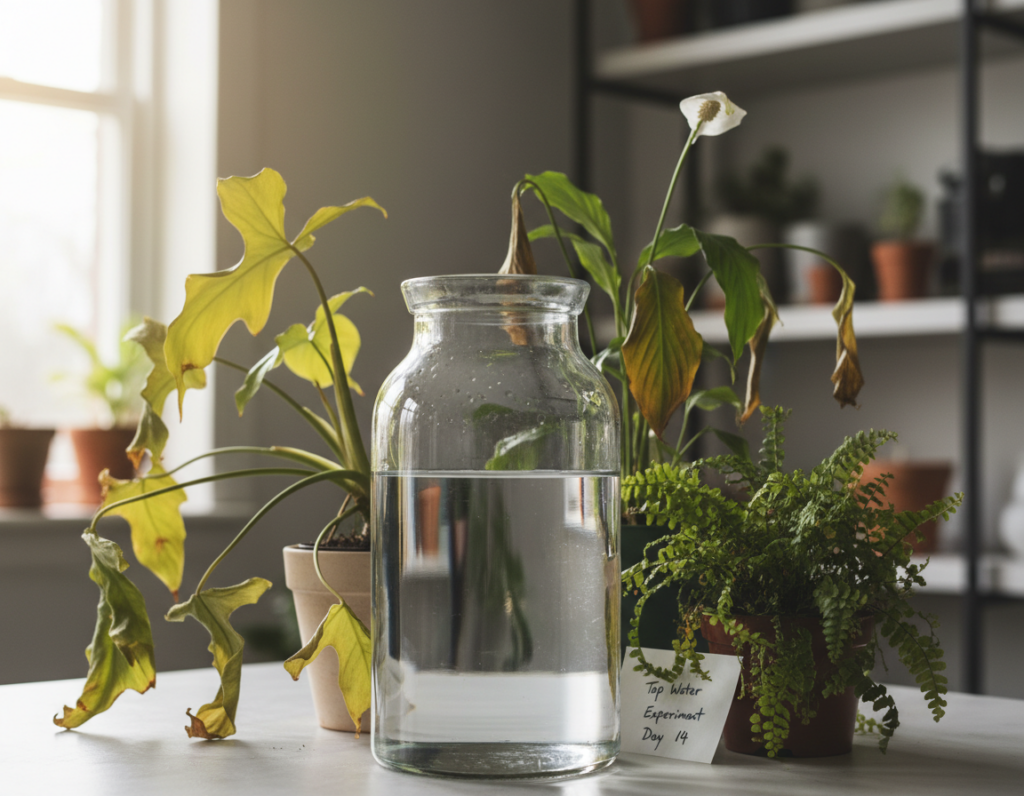
Wilting leaves can be a clear sign that a plant struggles to hold structure. In this instance, wilting may indicate waterlogged roots rather than drought. Readers will learn a simple way to test moisture and get tips on drainage to protect root health.
For specific guidance, consult a reliable guide or contact a professional. Expert advice helps match watering routines to plant type and avoids common symptoms that harm houseplants.
Understanding the Risks of Overwatering
Too much water suffocates a plant by filling air spaces in the soil and starving roots of oxygen. This is the main way overwatering damages houseplants and can lead to root rot and, eventually, death.
The root color gives a clear clue: healthy roots are bright white or pale yellow. Dark brown or black roots usually mean the medium has stayed wet too long and decay has set in.
Common symptoms include wilting leaves and a mushy stem — both indicate the root system struggles to function. Succulents need far less water than larger foliage, so adjust the watering schedule by size and medium.
- Let the soil dry for several weeks if one suspects the plant overwatered; this gives roots a chance to recover.
- Monitor moisture level with a probe or by feel to avoid repeating the same mistake.
- Follow a trusted care guide like the Bloomscape guide for species-specific tips.
Common Overwatered Indoor Plants Signs
Many common houseplants reveal excess moisture through clear changes in leaf color and texture. These early cues help a gardener act before root damage spreads. Watch the foliage and the soil surface for quick clues.
Yellowing Leaves
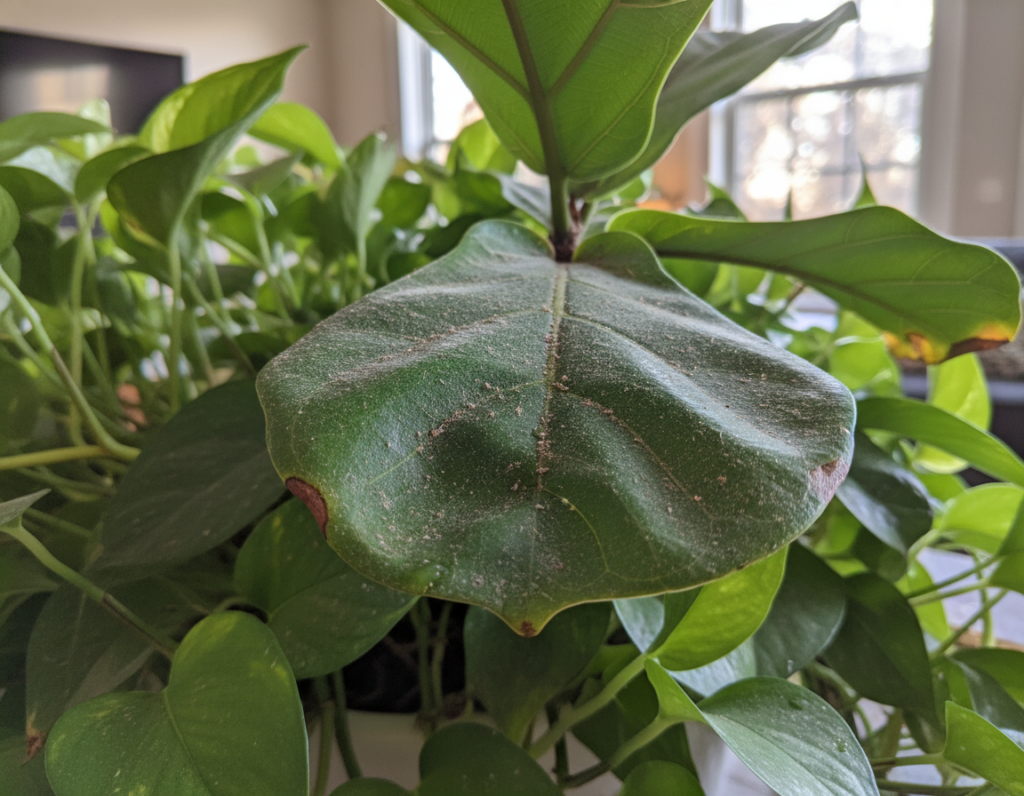
Yellowing leaves are the most frequent cue. New growth that turns pale and drops is especially telling. Edges may brown later if the condition continues.
Mushy Stems
If the stem base feels soft or mushy, the roots or crown likely suffered from excess water. This is a clear sign that the medium stayed too wet for too long.
Bacterial Infections
Bacterial spots often show as brown patches with a yellow halo. Mold or fungus may grow on the top surface of the soil. Fungus gnats hovering near the pot also point to high moisture.
- Let the soil dry between waterings.
- Improve drainage and reduce frequency for recovery.
- Inspect roots and trim damaged tissue if necessary.
Comparing Overwatering and Underwatering Symptoms
Recognizing contrasting reactions in foliage and roots reveals whether a specimen needs more or less water.
Overwatering often shows as soft, mushy roots and a soggy medium. In contrast, underwatering comes from not watering enough, from skipping water, or from using the wrong routine for the environment.
When a plant lacks water, its leaves turn dry and brittle rather than soft. If the soil is pulling away from the sides of the pot, that is a primary indication of underwatering.
You can test moisture by sticking a finger into the medium. If the surface and the next inch feel like dry soil, the plant likely needs water.
- Texture difference: mushy roots versus crisp, brittle leaves.
- Wilting shared: both conditions can cause wilting, but the leaf feel differs.
- Quick test: finger probe and checking the pot rim for soil pull-back.
“Learning to read the leaves and soil is the best way to avoid overwatering or underwatering.”
For a deeper guide on reading leaf cues, see reading the leaves for practical tips.
The Role of Soil Moisture and Drainage
Managing how water moves through the pot is key to healthy root function and steady soil moisture. Proper drainage keeps the soil at the right moisture level and prevents the root zone from staying soggy.
Importance of Drainage Holes
A pot with drainage holes lets excess water escape and stops the medium from becoming saturated. This ensures the roots can access oxygen, which they need to absorb nutrients.
If a decorative pot lacks holes, drilling a few at the base will improve the soil environment and lower the risk of water pooling.
Testing Soil Texture
To test soil moisture, use a wooden chopstick or a finger to probe deep into the soil. Check around the entire circumference of the pot to get an accurate read of moisture level.
Tip: If the probe comes out damp several inches down, hold off on watering until the medium dries. Repeat checks in different spots to avoid a false reading.
- Drainage: holes allow excess water to leave the pot.
- Probe: test soil moisture with a chopstick or finger.
- Check all around: inspect the full pot circumference for true moisture level.
“Good drainage and careful testing keep the root zone healthy and responsive.”
Environmental Factors Influencing Water Needs
A home’s microclimate — heat, light, and humidity — determines a plant’s watering rhythm. Higher light and warmer rooms make the soil dry faster, so they will need water more often during summer months.
Humidity affects how quickly soil loses moisture. Low air humidity often causes brown edges on a leaf, which can be a sign that the air—not the watering routine—is the issue.
Different species use water in different ways. Succulents store moisture and need far less routine watering than tropical houseplants that drink frequently during active growth.
- Increase water when light and temperature rise, but test soil first.
- Raise humidity with trays or humidifiers to protect delicate leaves.
- Reduce watering in winter since growth slows and soil stays wetter longer.
Tip: Monitor soil with a probe or meter and adjust the schedule by growth phase and room conditions for the best results.
Using Tools to Monitor Plant Health
A simple meter can remove the guesswork and show exactly how much moisture lives below the soil surface. This helps a caregiver tune watering to true need rather than habit.
Benefits of a Moisture Meter
A moisture meter gives direct readings of the soil moisture level where roots grow. It reads deeper than the top surface and finds wet pockets that a finger might miss.
Quick checks with a meter help the user test the soil in several spots around the pot to get a representative picture. Testing only one point can miss soggy zones near the stem.
- Accurate: the meter reports moisture at depth, not just the surface.
- Consistent: repeatable readings reduce guesswork when watering.
- Protects roots: checking the full pot prevents leaving the plant sitting in standing water.
“A moisture meter turns subjective watering into an objective routine.”
Identifying Pests Linked to Watering Issues
Unwanted insects and larvae near the pot can point to problems with soil moisture. A cluster of tiny flies hovering above the medium often ties to damp conditions and can reveal overwatering as the root cause.
Fungus gnats thrive in wet soil and their presence is a clear sign that the medium stays too damp for too long. They lay eggs in the pot, and larvae feed on fine roots, which slows growth.
Spider mites prefer dry, warm rooms. If a caregiver finds webbing or speckled leaves, the problem may be insufficient water or low humidity rather than excess water.
Pests are often a secondary symptom of poor watering habits. Treat infestations promptly with an organic option such as Pyrol to remove adults and larvae while reducing chemical stress on the plant.
- Check the soil and leaves regularly for early symptoms.
- Adjust watering to correct the underlying condition.
- Use Pyrol as a safe treatment and follow label instructions.
“Catching pests early lets the caregiver fix both the insect problem and the watering routine.”
How to Rescue a Waterlogged Plant
When a plant sits too long in saturated soil, quick action can save its roots. Start by removing the specimen gently from its pot so the caregiver can inspect the root ball and the soil moisture. Work on a clean surface and have fresh potting mix ready.
Trimming Damaged Roots
Cut away any dark, soft, or mushy roots with clean tools. Use an alcohol wipe on the trimmer between each cut to prevent spreading root disease.
Tip: Trim only the damaged portions and keep healthy, white roots intact. This reduces further damage and helps new growth emerge.
Repotting Techniques
Repot the plant into a clean container with fresh potting soil. Choose a pot with good drainage so excess water can escape and the medium will dry faster.
- Gently spread the trimmed roots and fill around them with loose soil to avoid compaction.
- If the specimen is severely soaked, wait until the soil is dry soil before resuming a regular watering routine—this may take several weeks.
- Monitor the soil moisture at depth and water sparingly until the roots recover.
“Proper trimming and repotting give a stressed plant the best chance for recovery.”
Best Practices for Future Watering Success
A steady routine and quick checks beat guesswork when it comes to giving a plant the right amount of water.
Always test soil moisture at several points around the pot before watering. The top surface can dry quickly while deeper pockets remain wet. Use a finger, chopstick, or a meter to read the level at root depth.
Develop a watering schedule that fits the season and the species. Reduce frequency in cooler months and increase it when light and temperature rise. Succulents need far less water than foliage types, and good drainage speeds recovery after a soggy episode.
Watch the leaves for early cues such as wilting or yellowing. These simple observations teach the caregiver how the medium and moisture affect growth. If unsure, contact the Grow-How Team for tailored guidance on type and size adjustments.
- Check multiple spots: probe around the pot to avoid false surface readings.
- Keep a season plan: set reminders and adapt as light and temperature change.
- Favor dry over constant wet: most plants tolerate a period of dry soil better than repeated saturation.
- Improve drainage: use airy mix and pots with holes to prevent fungal issues and root death.
“Learning to read soil and leaves lets a caregiver prevent problems long before symptoms appear.”
Conclusion
Finding the right watering rhythm keeps a green collection healthy and resilient.
He or she should master balance by observing subtle cues of overwatering and underwatering and by checking the soil before adding more water. Small, steady adjustments matter more than large, occasional fixes.
Remember that every specimen has unique needs. Learn the preferences of each pot, favor good drainage, and create a seasonal routine that fits light and temperature changes.
With patience, careful checks, and a simple meter or finger test, a caregiver will grow confident and able to handle any watering challenge that arises.