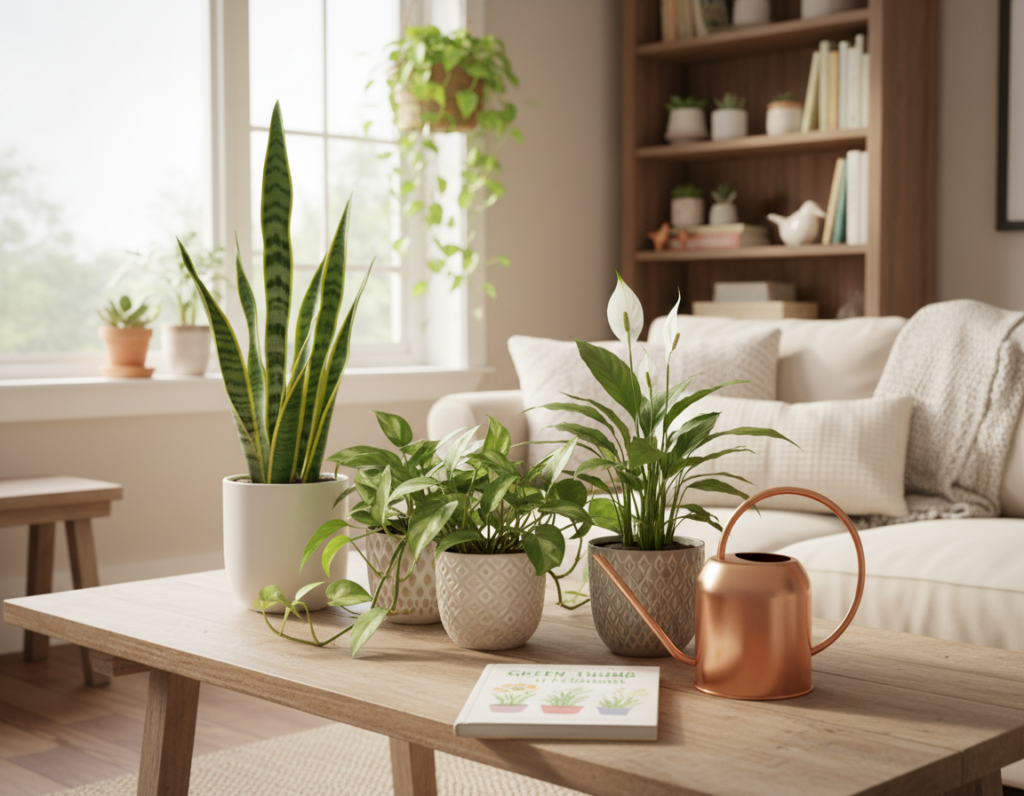
Many new plant parents face the same problem: common indoor plant care mistakes can shrink a green collection quickly.
The Bloomscape Grow-How Team offers clear guidance for those who need help. They stress that taking the time to learn each species’ needs prevents an early loss.
He or she who reads a short guide learns water schedules, light levels, and when to add fertilizer. Simple tips and steady observation beat guesswork.
Even experienced parents may make a mistake, but regular checks and small adjustments keep plants healthy. For more in-depth guidance, consult Bloomscape’s care page at common indoor plant care mistakes.
Understanding Common Indoor Plant Care Mistakes
Many common houseplants come from tropical regions and need specific humidity, light, and temperature to thrive. Treating every specimen the same is a frequent mistake that harms growth and stress-tolerance.
Start with origins. When someone brings new indoor plants into the home, they should research where each one evolved. Knowing native conditions guides watering, light placement, and humidity choices.
Fundamentals matter. Learning a few basic rules prevents the most frequent issues that affect common houseplants. Small adjustments—like moving a pot a few feet or changing soil mix—make a big difference.
- Many common houseplants prefer steady warmth and higher humidity than typical rooms.
- Beginners often overgeneralize and treat all plants the same.
- Researching species reduces trial-and-error and avoids repeated problems.
- Consistent checks help catch trouble early and keep the collection healthy.
The Dangers of Improper Watering Habits
Too much or too little water causes more losses than pests or light errors. Proper watering protects roots and preserves a healthy balance of moisture levels in the soil.
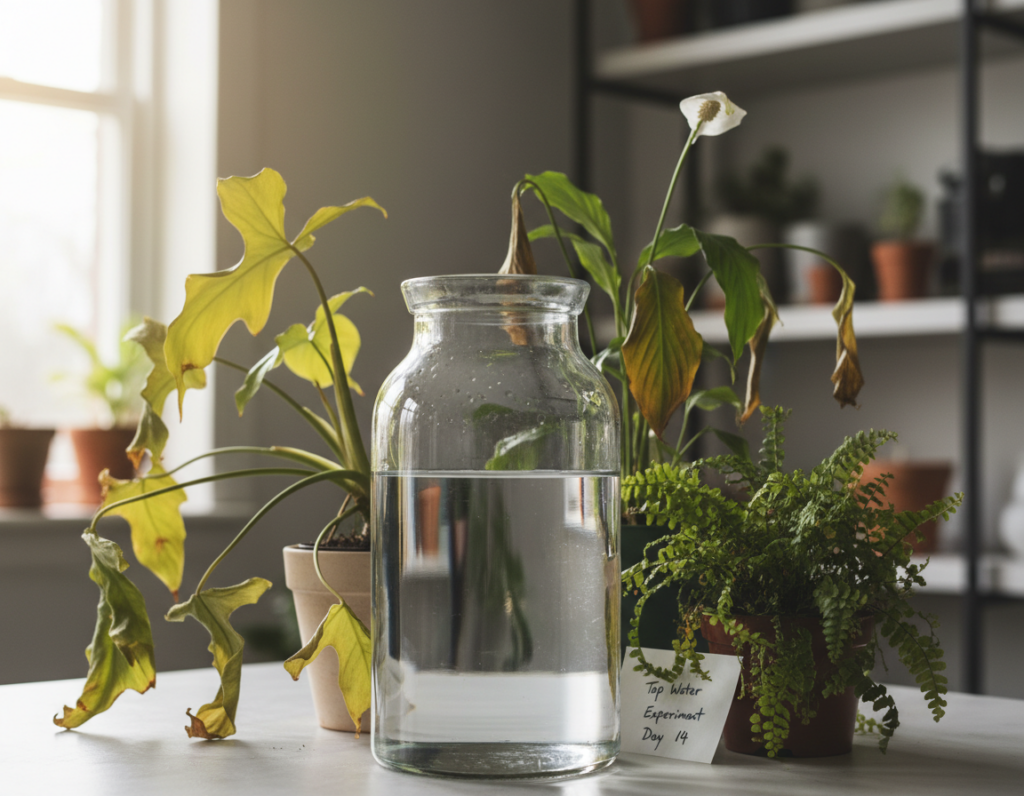
Watch the signs early. Overwatering often hides behind yellow leaves and a musty smell. The guide “5 Telltale Signs of Overwatered Plants” notes these as key indicators.
Signs of Overwatering
- Yellowing, limp foliage and a sour odor from wet soil.
- Soggy soil that stays wet for days and poor drainage in the pot.
- Roots that darken and become mushy, which leads to root rot.
Signs of Underwatering
Underwatered specimens show dry, brittle leaves and soil pulling away from the pot sides. That gap is a clear signal a deep soak is needed.
“Proper drainage and matching water frequency to each species prevent the most common watering mistake.”
Practical tip: Test soil moisture before every session. Adjust the watering way for each houseplant—some like consistent dampness, others need to dry between drinks.
Mastering Light Requirements for Apartment Plants
Correct light often determines whether a collection thrives or falters. Many species have unique light needs, and mismatching those needs is a frequent mistake that causes pale leaves or stunted growth.
The first step is to map light levels in the home. Observe windows through the day and note where sunlight is strongest. Place sun‑loving plants where direct rays reach them, and move shade‑tolerant specimens to gentler spots.
During winter, natural sunlight can fall short. The Soltech Grove LED Bar Light is an effective tool for supplemental lighting and helps rare plants keep steady growth through darker months.
Also watch temperature. Avoid drafts and heaters that create wide swings. Stable warmth supports healthy growth and pairs with proper lighting to form the right environment for houseplants.
“Assess light and temperature together — that simple habit prevents many placement problems.”
- Check light levels at different times each day.
- Use supplemental lighting in winter when needed.
- Keep plants away from drafts to maintain steady temperature.
Selecting the Correct Soil for Healthy Growth
A suitable soil mix sets the stage for steady root development and vigorous growth. Choosing the right soil type helps roots access oxygen, water, and nutrients without staying soggy.
Miracle-Gro products are often recommended because they offer mixes designed to improve structure and nutrient supply. These blends work well for many common plants and reduce the need for frequent repotting.
Improving Drainage and Aeration
Good drainage prevents root rot by allowing excess water to exit the pot quickly. Adding perlite or coco coir to a potting mix increases airflow and keeps the medium from compacting.
For succulents and cacti, a coarse, fast-draining mix is essential. Tropical houseplants prefer a richer, moisture-retentive blend. Always match the soil type to the species’ needs.
- Refresh the top layer of soil periodically to replenish nutrients and loosen compacted material.
- Use pots with drainage holes and choose a mix that moves water through rather than holding it.
- Check root health when repotting; healthy roots indicate the right soil and proper drainage.
The Importance of Proper Fertilization
A thoughtful feeding schedule fuels steady growth without causing nutrient overload.
Proper fertilization is a vital part of plant care, especially in spring and summer when common houseplants enter active growth. A high-quality fertilizer supplies the nutrients that plants need to form strong roots and bright foliage.
Timing matters. It is a common error to feed during winter when many specimens are dormant and cannot use extra nutrients. Overfeeding then often causes salt buildup and stress.
- Match the fertilizer type to the species—different plants have different needs.
- Follow label rates and reduce frequency in cooler months.
- Use a consistent schedule to avoid deficiencies or excesses.
“Research each species’ needs and feed accordingly for steady, sustainable growth.”
Practical tip: For common houseplants, slow-release formulas or balanced liquid feeds work well during the growing season. Stop or cut back in winter and resume when new growth appears.
Managing Humidity and Airflow in Small Spaces
Maintaining steady humidity and fresh air makes a big difference for plants kept in tight living spaces.
Grouping compatible species creates a modest microclimate that mimics natural, humid conditions. This approach raises local humidity without complex equipment. It also helps species with similar needs thrive together.
Creating Microclimates
Place moisture-loving specimens near each other and away from vents. Use a small humidifier or a pebble tray to boost moisture levels where needed.
Tip: A pebble tray works well in rooms where extra humidity is occasional. Humidifiers suit year-round needs.
Preventing Stagnant Air
Good airflow reduces mold and fungal threats. Leave space around pots and rotate them occasionally to keep air moving.
- Keep vents clear and use a gentle fan on low when rooms are still.
- Monitor humidity and air quality so conditions stay stable for all others in the collection.
- Adjust placement if a specimen shows signs of stress from poor ventilation.
“Stable humidity and steady airflow provide the conditions a healthy plant needs to flourish.”
Identifying and Treating Common Plant Pests
Pests often arrive quietly but leave clear signs if someone looks closely.
Regular inspection helps spot spider mites, aphids, and other small invaders early. Wiping leaves with a damp cloth removes many offenders and reveals hidden issues.
If fungus gnats appear: treat the soil with Bacillus thuringiensis (Bt). Bt targets larvae in the soil and protects the roots without harsh chemicals.
- Use insecticidal soap or neem oil for soft-bodied pests to limit damage.
- Adjust watering habits—gnats thrive in soil that stays too wet for long.
- Choose the correct type of treatment for the specific pest to avoid harm.
“Early action keeps infestations small and control methods effective.”
Consistent checks and targeted treatment preserve both houseplants and larger collections. Simple habits prevent most long-term issues and keep growth steady.
Recognizing Signs of Fungal Diseases
Fungal infections show up in subtle ways before a full decline becomes visible. A keen observer spots small spots on leaves or a steady loss of vigor across their collection.
Common clues include spotting, unexpected leaf drop, and soggy soil that smells musty. These signs often point to issues with the roots rather than the foliage alone.
Addressing Root Rot
Root rot occurs when roots sit in saturated soil and turn brown and slimy. To treat it, remove the suffering specimen from its pots, trim damaged root tissue, and repot in fresh, well‑draining soil.
- Inspect roots if a houseplant suddenly drops leaves—early checks save recovery time.
- Trim soft, dark root sections and discard them to stop spread of rot.
- Repot with a fast‑draining mix and use a pot with a drainage hole.
- Monitor moisture levels to prevent recurrence; keep soil slightly dry between waterings.
- Learn more troubleshooting steps at common indoor plant problems.
“Prompt action and proper repotting restore many affected plants.”
Why Your Plants Need Consistent Environments
Stable indoor conditions help plants allocate energy to growth rather than adjustment.
Most common houseplants grow best when temperature and lighting stay steady. Maintain a range near 65–75°F (18–24°C) to avoid stress and support steady development.
Frequent moves force a plant to reorient to new light and humidity. Over time, that constant adjustment slows growth and weakens leaves.
Watch for early signs. Yellowing leaves often point to a mismatch in light or sunlight levels. Spotting these signs early saves time and effort.
- Plants thrive when kept in one reliable spot rather than moved often.
- Match placement to each species’ plant needs by researching common houseplants.
- Provide stable lighting, temperature, and humidity so energy goes to growth.
“A steady home environment lets specimens focus on new growth instead of adaptation.”
Essential Tips for Repotting and Root Health
Repotting gives roots room to spread and renews soil nutrients for healthier growth. This process refreshes the medium and lets plants expand without restriction.
When roots appear at drainage holes or circle tightly, it is time to move the plant into larger pots. Leaving a specimen root-bound reduces access to water and nutrients and slows growth.
Gently loosen the root ball before repotting. This step helps the roots reach fresh soil and absorb nutrients more efficiently. If roots are knotted, tease them apart with fingers or trim a few circling sections.
Use well‑draining soil and pots with clear drainage. Proper drainage prevents excess moisture from pooling around roots and reduces the risk of rot. A fast‑draining mix with perlite or coarse material suits many common houseplants.
- Repot in fresh soil to renew nutrients and structure.
- Move to a pot one size up when roots show at holes.
- Loosen the root ball so roots can spread into new soil.
- Ensure drainage to control moisture and protect root health.
“Follow these tips to help plants recover quickly after repotting and to give roots the space they need to thrive.”
The Role of Foliage Maintenance
A regular wipe-down routine keeps leaves bright and reveals early issues.
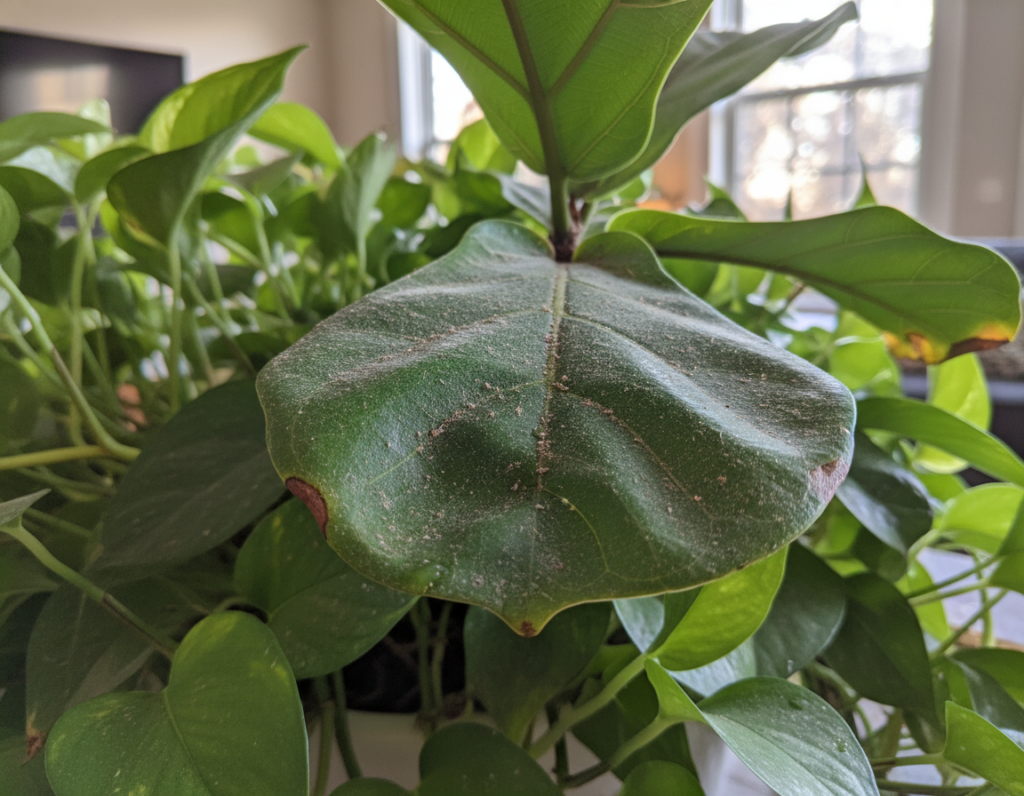
Dust on leaves reduces light absorption and slows photosynthesis. Cleaning foliage helps plants make the most of available light.
Use a soft, damp cloth and gently wipe each leaf. This simple water-based task also serves as a quick pest inspection and lets someone spot tiny insects or damage.
Keeping leaves clean improves appearance and allows better gas exchange with the surrounding air. It also prevents dust from building up in cramped rooms where airflow is limited.
Make it routine. Wipe foliage every few weeks to keep color vivid and to catch problems early. That small habit saves time later and supports steady growth.
“A careful look while cleaning often finds trouble before it spreads.”
- Remove dust to boost photosynthesis.
- Wipe leaves with a damp cloth and check for pests.
- Clean every few weeks to keep plants healthy and vibrant.
Conclusion
Consistent observation and small adjustments are the most reliable way to grow a healthy collection. He or she who watches light, lighting shifts, and humidity often prevents the common mistake of neglect.
By focusing on plant care basics—proper fertilizer timing, the right nutrients, and steady environment—parents help specimens recover faster and thrive longer. These simple tips fit any apartment and reduce trial-and-error.
Even experienced plant parents sometimes make a mistake. Stay patient, learn each species’ needs, and adjust the routine as conditions change.
Follow these steps and avoiding common indoor plants missteps becomes a steady habit that keeps greenery vibrant for years.