Creating a calm nook starts with thoughtful choices in greenery and layout. West Coast Gardens notes that the right selection can lift mood and set a warm tone in any room.
A single well-placed plant can turn a plain chair into a quiet sanctuary. It offers a gentle companion during chapters of thrillers or soft romance, and helps the reader focus.
Designating a small area for books and rest helps people slow down amid busy schedules. Experts in 2021 emphasized that such rituals support self-care and peaceful habits.
By blending nature with smart design, one can create perfect conditions for relaxation and visual comfort. This introduction sets the stage for practical tips to build a cozy, book-friendly space.
The Benefits of Adding Greenery to Your Reading Space
Bringing living elements into a cozy spot helps calm the mind and sharpen focus. Research shows that adding indoor plants to a home can reduce tension and lift overall mood, improving daily well‑being.
A dedicated reading nook acts as a private spot to pause, breathe, and enjoy a book. When people design such a space they create perfect conditions for rest and concentration.
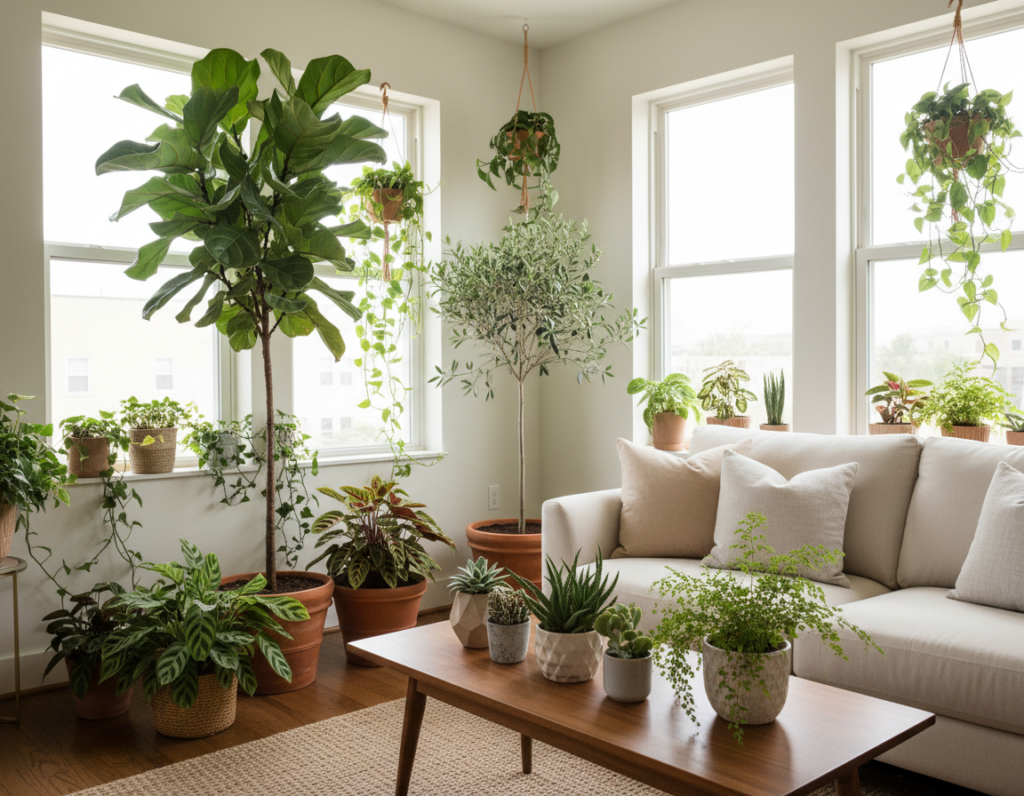
Introducing a variety of plants adds visible colour and texture to any room. These visual layers make the environment feel more vibrant and alive, which can help sustain attention during long reading sessions.
“Adding indoor greenery can significantly improve mood and reduce daily tension.”
- Improves mood and lowers stress.
- Defines a comfortable spot to unwind.
- Enhances focus and long-term engagement.
On busy days, a small, green-filled nook becomes a sanctuary. It invites slower rhythms and a clearer head, so the act of reading turns into a true respite at home.
Selecting the Best Plants for Reading Corner Setups
Picking specimens that match light levels helps a cozy space flourish. This short guide outlines low-light and high-light choices so a small collection will thrive in the room and support quiet moments with books.
Low-light options
Ferns perform well in shaded spots such as a day bed or a chair placed away from windows. West Coast Gardens notes that ferns stay fresh and forgiving when light is limited.
They add soft texture and help define the sitting area without needing direct sun. A single, healthy fern can act as a calming focal point in the living space.
High-light options
Near bright windows, choose bold-leaf varieties that love morning sun. Plant Folks recommends Philodendron and Alocasia to fill a bright corner with lush, dramatic foliage.
These options respond well to steady light and reward attention over the coming days with strong growth and visual impact.
- Match light to species to keep the collection healthy.
- Use one statement plant to anchor the chair and draw the eye when settling in.
- Rotate placement when looking to balance sun exposure across the space.
Creating a Relaxing Atmosphere with Natural Elements
A small indoor garden near a favorite seat can make each pause feel like a brief, restorative trip outside.
During the colder season, adding a Norfolk Island Pine or compact shrubs helps the space feel like the great outdoors. West Coast Gardens suggests these trees bring a fresh, evergreen presence that lifts mood on grey days.
Bringing a few blooming annuals indoors can create a spring vibe year-round. This choice helps someone feel like they are outside while they enjoy quiet reading sessions in their dedicated reading nook.
Establishing this nook with natural elements also supports steady gardening as a hobby. Even when the weather is poor, tending indoor plants keeps the routine alive and makes the area a peaceful retreat during the busiest days of the year.
- Create seasonal interest with evergreens and short-lived blooms.
- Mix textures to form a calm, layered space.
- Curate thoughtfully so the nook remains a lasting escape.
Utilizing Window Locations for Natural Light
Natural light from a well-sited window makes a compact area feel open, calm, and inviting. Nurserylive recommends placing a chair near a window with a view to engage the senses and enhance focus.
Window sill arrangements
Position a favorite chair close to the glass so the view and light become part of the restful spot. A single small plant on the sill adds life without crowding the seat.
Add soft pillows and a throw to create a comfortable reading nook that encourages longer, tranquil time. Small pots along the sill bring charm and texture to this compact area.
- Place the chair by the window to enjoy natural light and the outdoor scene.
- Use a vertical window garden to boost greenery without losing floor space.
- Pair view, sound, and soft textiles to turn the spot into a sensory retreat.
Incorporating Ferns for a Jungle Aesthetic
Ferns bring an effortless, jungle-like texture that invites slow moments and quiet wonder. They help shape a calm space meant for focused, cozy reading.
West Coast Gardens pairs ferns with adventure books and tales of self-discovery to evoke a true jungle atmosphere. In that lineup, a single frond or a clustered stand acts as a natural backdrop to stories that wander and surprise.
Ferns make a room feel lush and alive without fuss. This versatile plant adapts to many decor styles and keeps the area feeling like an undiscovered forest.
- West Coast Gardens calls ferns a piece of the jungle—ideal for fans of adventure reads.
- Frond‑filled displays create a fresh, green aesthetic that anchors the seating area.
- Adding indoor plants like ferns helps restore calm during busy days and keeps the mood steady.
“Ferns can turn a small spot into a leafy refuge that sparks curiosity and calm.”
Adding Exotic Flair with Delicate Orchids
Exotic blooms like orchids bring a whisper of drama that pairs well with romance or suspense.
West Coast Gardens notes that exotic, delicate orchids are perfect companions to a romance novel or a mystery book. Their refined form complements emotional or tense narratives without overwhelming the space.
Adding one of these flowering plants to a small collection offers a touch of quiet elegance. An orchid sits gracefully by your side while you flip pages, lending a curated, sophisticated feel to the area.
- Orchids are unique flowering plants that raise the room’s style.
- A single stem can anchor a shelf or side table with minimal care.
- Readers who enjoy delicate beauty will value the subtle, refined presence.
“Orchids add a refined note that feels both intimate and exotic.”
Maximizing Vertical Space with Shelving
Vertical storage unlocks hidden space and makes a compact nook feel open and curated. Using the height of a wall lets a small area hold more without crowding the floor.
Wall-mounted planters make shelves do double duty. Nurserylive recommends mixing book stacks with shallow planters to save floor room and show off a growing plant collection.
By thinking upward, a room can feel like a lush oasis without losing usable space. This approach keeps books and display items tidy during busy days.
Hanging greenery
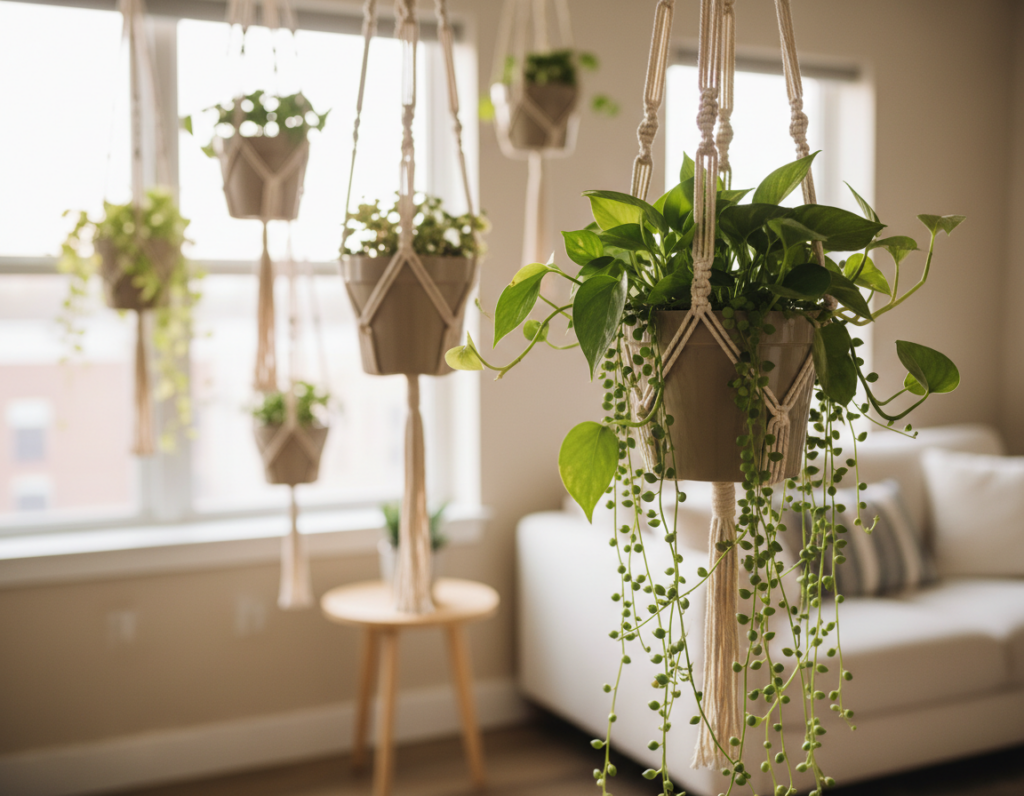
Hanging pots and suspended racks are creative ways to maximize vertical storage. They allow titles and trailing foliage to sit together above a chair or side table.
- Shelves can hold books, small pots, and framed art.
- Use the wall to create layered displays that save space.
- Hanging options keep surfaces clear and make the nook feel curated.
“Shelves are not just for books; vertical displays extend living room style while protecting floor space.”
Designing a Dedicated Work and Reading Area
Transforming a small table into a dual-purpose zone gives a room more calm and utility. A focused desk can act as both a workstation and a cozy nook when styled with intent.
Nurserylive notes that a few well-chosen accents—like ZZ plants and golden pothos—make a desk feel more tranquil. Adding a single plant on the table softens the view and supports long periods of focus.
Choose comfortable furniture and add soft pillows to ease the switch from work to leisure. Low-profile seating and layered textiles make the space welcoming without crowding the room.
Design multi-functional spaces by selecting a table that fits daily tasks and book time. Thoughtful decor, task lighting, and a tidy surface help maintain balance between productivity and quiet rest.
- Use greenery on the desk to create a calming workstation that doubles as a small reading nook.
- Prioritize comfort with ergonomic chairs and a couple of pillows to signal a shift to relaxation.
- Keep surfaces clear so the area works well for both work and unwind moments.
“Adding subtle greenery to your desk can make a workstation more tranquil and inviting.”
Using Backless Bookcases as Room Dividers
A backless bookcase can carve out an open, airy division while keeping sightlines intact. Nurserylive recommends this solution to separate a bedroom from a dedicated reading area without shutting light or air flow.
Open shelves display books and decor while leaving the room feeling connected. Filling units with plants creates a lush barrier that defines the space and softens edges.
Those looking to maximize home layout will find this design both clever and practical. A backless bookcase lets sunshine pass through, which helps each plant get ample light.
- Dual access: books stay reachable from both sides, making the divider highly functional.
- More surfaces: shelves offer many spots to grow small plant groups and show a curated collection.
- Bright and open: the see-through design keeps the room airy and cheerful.
“Using a backless bookcase filled with greenery is one of the best ways to separate a room while keeping an open feel.”
Styling Your Reading Nook with Tropical Foliage
Tropical foliage can turn a tiny reading nook into a daily escape with bold texture and lively colour. Glossy leaves create a warm, inviting mood that suits vacation romances and biographies.
West Coast Gardens recommends pairing glossy-leaf specimens with light, cozy seating. Placing a couple of plants near the chair makes the corner feel like a mini getaway every single day.
Surrounding a seat with lush greenery builds a clear, dedicated space that invites long sessions. A single dramatic plant on one side balances a stack of books on the other.
- Vibrant backdrop: tropical foliage adds splash of colour to the room.
- Comfort boost: glossy leaves make the nook feel exotic and restful.
- Picture-ready: the lush setup gives a polished look to any photo.
“Tropical varieties with glossy leaves pair perfectly with vacation romances.”
Choosing Plants Based on Your Favorite Book Genres
Match your greenery to the mood of a novel to make each chapter feel more vivid.
West Coast Gardens suggests themed pairings that bring setting and story together. A mini olive tree evokes Tuscany, while a small cactus captures arid, desert scenes. Sci‑fi fans can pick strange-looking specimens that feel otherworldly and boost immersion.
- Match theme and mood: pick a mini olive for Italy-themed tales or a sculptural cactus with rugged stories.
- Choose unusual types: odd shapes and textures work well with speculative and futuristic books.
- Be intentional when looking: select products that mirror a favorite setting to personalize the space.
Curated selections help readers create a tailored sanctuary. By aligning botanical choices with preferred genres, the seat-side area gains an extra layer of atmosphere that enhances each reading session.
“Match your plant to the story to deepen the sense of place while you read.”
Enhancing Your Space with Succulents and Cacti
A sunny tabletop can become a small gallery of sculptural succulents and spiky cacti.
Plant Folks recommends clustering sun‑lovers like haworthias and cacti in terracotta pots near a bright window. This arrangement creates a uniform, professional look while keeping care simple.
Tabletop displays
Use a low table to stage a compact collection that complements seating and light. Terracotta helps soil dry between waterings and highlights each specimen’s shape.
- Group similar sun‑lovers to form a cohesive display.
- Choose a mix of flowering plants and sculptural succulents for contrast.
- These options thrive in sunny days and need minimal upkeep.
- Well‑placed pots lift a small garden without taking much room.
“Grouping cacti and succulents on a table creates a simple, striking focal point.”
Balancing Texture and Color in Your Indoor Garden
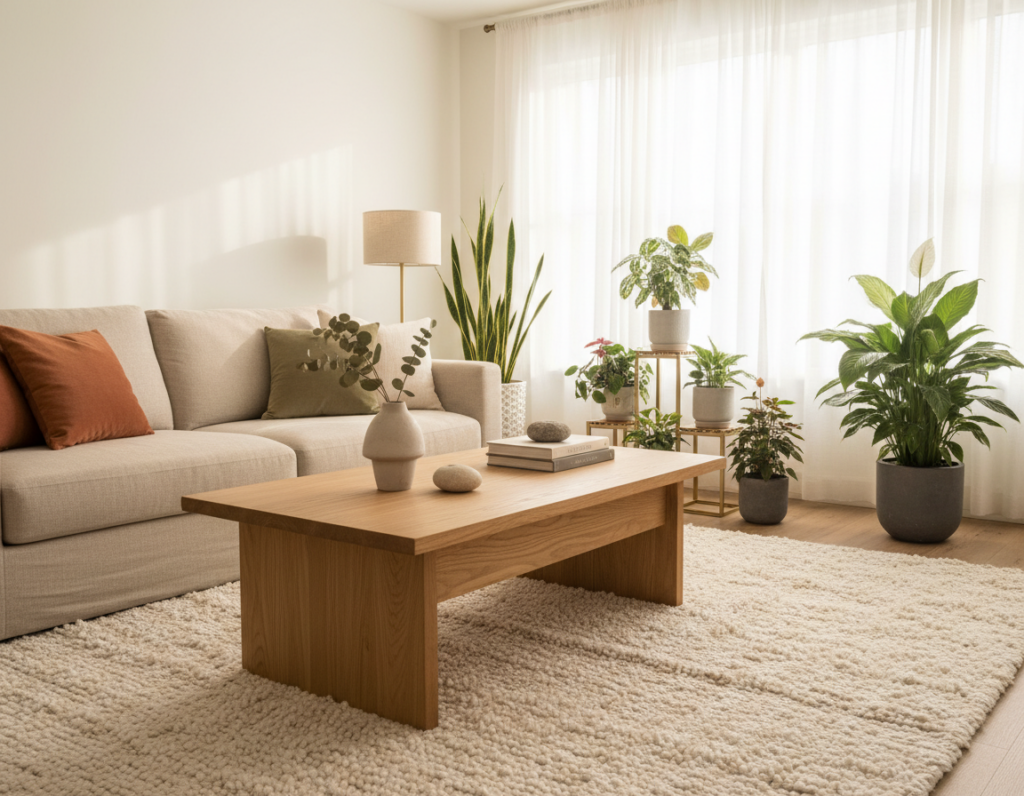
Plant Folks recommends using warm wood tones to anchor a cozy room. Wood furniture adds a friendly backdrop that makes green tones pop and warms the living area.
Layer foliage shapes to build depth. Mix broad‑leaf forms with narrow, sculptural succulents and a single trailing plant to create visual interest without clutter.
Balance light and wall colour so each specimen stands out. Bright walls and soft light help glossy leaves show texture while muted tones let finer details shine.
- Wood‑tone furniture complements greens and balances texture.
- Vary foliage size to craft a lush, well‑designed space.
- Use succulents to soften edges of tables and other furniture.
- Match light levels and wall shades to highlight shape and colour.
These simple strategies make the small garden feel intentional. The result is a harmonious space that supports calm, daily routines and enhances the room’s style.
Integrating Herb Gardens for a Sensory Experience
A compact herb garden on a side table ties culinary joy to a calm reading habit.
West Coast Gardens suggests that cookbook lovers surround themselves with a small indoor herb setup. Keeping culinary herbs nearby adds fresh scent and instant flavor when a recipe sparks interest while browsing books.
Place a few pots on a low table beside the seat so aroma and touch join sight. A single aromatic plant such as basil or mint lifts mood and invites gentle interaction.
- Multi-sensory benefit: scent, texture, and sight deepen calm moments.
- Culinary use: harvest a leaf while testing a recipe from a favorite cookbook.
- Easy upkeep: simple gardening routines keep the area fresh and practical.
- Guest-friendly: the table display feels inviting and purposeful.
For more ideas on blending scent and space, explore a dedicated sensory garden to expand this concept at home.
Maintaining Your Indoor Oasis Throughout the Seasons
Simple routines help an indoor garden stay healthy across warm and cool days. Short, regular checks on light, water, and soil make a big difference in the health of your collection.
Use trailing varieties to cover shelves so the display looks lush and natural. Plant Folks suggests that draping foliage across a unit gives a full, curated look in any home.
Care differs by type. Succulents need bright light and sparse watering. Flowering and leafy types often need steady moisture and occasional feeding.
- Keep pots tidy and check drainage each season.
- Rotate the collection to even out light exposure.
- Record progress with a quick picture to track growth over time.
These products and routines simplify gardening and protect mood during busy days. With small, consistent steps, the spaces around a favorite chair stay welcoming year‑round.
“Regular attention keeps an indoor garden vibrant and calm.”
Conclusion
Designing a cozy spot with thoughtful greenery transforms spare moments into true rest. Adding a few well-chosen plants and a small garden element lifts mood and improves how a home feels during quiet time.
Choose succulents or a striking flowering specimen to build a personal collection that suits taste and light. A single statement plant can set the tone without clutter.
Simple gardening routines keep an indoor display healthy across busy days. Regular care helps foliage stay vibrant and makes small spaces feel restorative when they are needed most.
With modest effort, anyone can craft a lasting sanctuary. Use this guide to shape a serene reading nook that reflects style and supports peaceful daily habits.