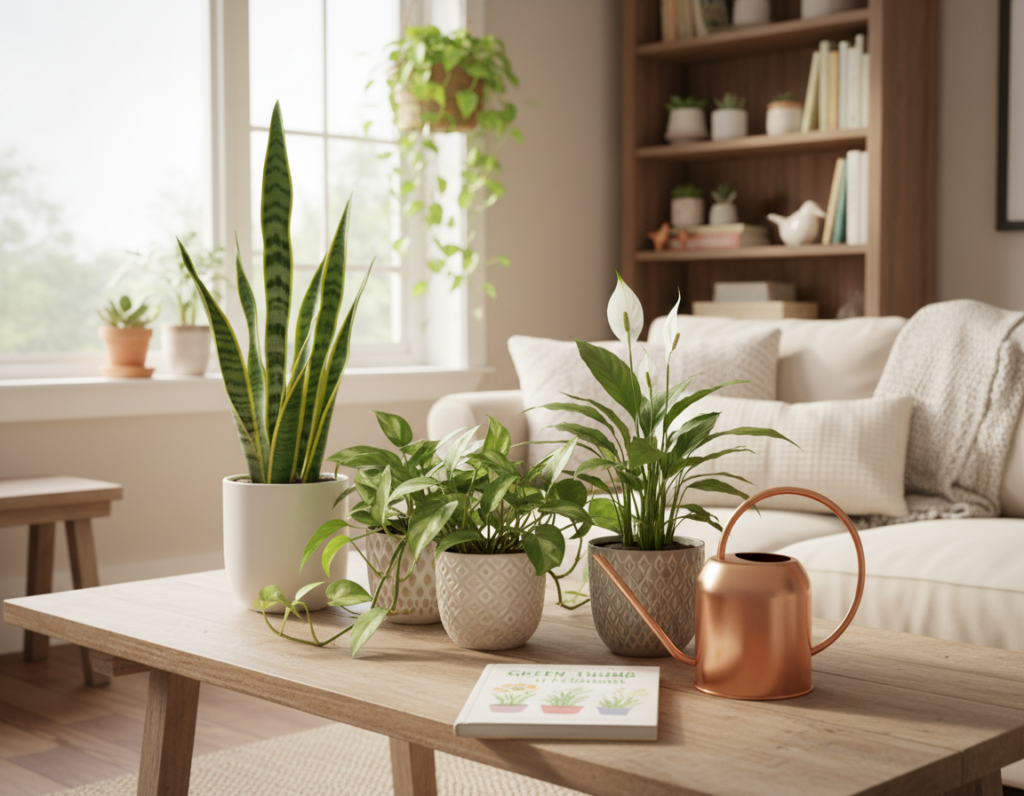
Courtenay Hartford, who renovates a 120‑year‑old farmhouse in Ontario and writes at creeklinehouse.com, insists real plants make a house feel alive. She says they boost mood and improve air quality, and that anyone can succeed with a few clear steps.
Many people struggle to keep houseplants healthy, but a simple, consistent schedule avoids the common issues that kill growth. This short guide gives easy tips for soil checks, proper watering, light placement, and pot drainage so roots stay strong.
Real greenery brings personality to a space without adding work. By following basic steps—and a few practical checks—you can keep houseplants thriving in your home all year. For practical houseplant care basics, see houseplant care basics.
Why You Need a Consistent Weekly Indoor Plant Care Routine
A short, set schedule turns random upkeep into steady progress for any homeowner with greenery. Jackie, an apartment gardener who has tended plants in a tiny urban space for years, swears that consistency is the single biggest factor for success.
She sets a recurring reminder for watering and a quick soil check. Keeping supplies in a small bin saves time and fits compact homes. That small bit of discipline helps train stems, protect roots, and keep leaves healthy.
“I spend thirty minutes each weekend—watering, checking drainage, and moving pots for better light,” Jackie says.
- Set reminders: a single alarm ensures water and soil checks aren’t missed.
- Keep tools handy: a small bin holds pruners, fertilizer, and spare pots.
- Train a habit: regular time prevents common problems and extends the life of houseplants.
Dedicate a bit of time every week and you’ll find it much easier to keep houseplants thriving. The pay-off is healthier roots, better drainage, and a home that feels alive.
Selecting Resilient Varieties for Your Home
Selecting easy-to-grow types gives most homeowners quick wins with their houseplants. Starting with forgiving species reduces mistakes and builds confidence.
Low Light Favorites
Choose species that tolerate low light so greenery fits any room, even a shaded corner away from the window. These options thrive without bright sun and are forgiving about missed waterings.
- Pothos: nearly impossible to kill and adapts to many light levels.
- Philodendron: grows well in dimmer spots and looks lush.
- Hoya and ivies: perform reliably in varied light conditions.
Easy-to-Grow Options
Beginners should pick tried-and-true types rather than exotic varieties. If one species does well, they can stick with it or try a related type for variety.
- Peperomias — small, tidy, and forgiving.
- Pothos and philodendrons — low fuss and fast to recover.
- Choose pots with good drainage and fresh soil when repotting.
A bit of patience and the right choices will keep a house looking green for years.
Establishing Your Watering Schedule
A clear watering plan helps prevent the most common mistakes that stunt growth and rot roots. A professional interior landscaper warns that overwatering causes root rot by starving roots of oxygen.
Checking Soil Moisture
Always check the soil before you water. The top layer can feel dry while deeper soil stays wet, so probing with a finger gives quick feedback.
For large pots, use a moisture meter to read levels without guesswork. This tool helps decide the right time and amount of water for each houseplant.
“Check soil moisture first; watering by schedule alone often leads to overwatering,” says a professional interior landscaper.
- Observe how often water is needed — heat, light, and humidity change needs.
- Make sure pots have drainage holes so roots do not sit in soggy soil.
- Water thoroughly but avoid shallow, frequent watering that harms roots.
Watch your plants and adjust the schedule to their needs rather than following a fixed day.
The Importance of Proper Drainage and Potting
A well-draining pot and the right soil mix protect roots and cut the risk of rot before symptoms appear. Proper drainage stops water from pooling at the bottom and keeps roots oxygenated.
Key practical steps:
- Choose pots with at least one drainage hole so excess water can escape freely.
- Use lighter, well-draining soil mixes for most houseplants; heavy mixes trap moisture longer.
- Remember porous pots, such as terra cotta, dry faster and may need more frequent watering than plastic pots.
- If a specimen is potbound, roots can’t hold water well and growth will stall—repot to a slightly larger pot.
- Place a saucer under the pot to protect surfaces while allowing water to flow out of drainage holes.
Simple pot choices and the right soil go a long way toward healthy, long-lived plants.
Providing Adequate Light for Healthy Growth
Light quality, direction, and duration shape leaf color, stem strength, and root health. Good exposure helps houseplants photosynthesize efficiently and reduces stretching toward a single window.
Rotating Plants for Even Sun
Jackie suggests rotating pots once a week when stems bend toward the sun. Turning each pot a quarter turn evens out growth and prevents lopsided foliage.
For specimens in low light spots, adjust water amounts. Less light means less evaporation from the soil, so water less often to avoid soggy roots.
Mimicking Natural Wind
Gently wobbling a tall houseplant once or twice during the week mimics breezes and encourages stronger stems and roots. For a fiddle leaf fig, a light wiggle of the main stem promotes stability.
Also, clean leaves occasionally so dust does not block light. Wiping or misting leaves keeps pores clear and improves photosynthesis.
Quick tips:
- Rotate pots regularly for even sun exposure.
- Wiggle stems gently to develop stronger roots and trunks.
- Reduce watering for low light specimens to protect soil from staying too wet.
- Wipe leaves so they can absorb more light and air.
“Providing adequate light is one of the most important tips for keeping your indoor jungle healthy,” notes a longtime gardener.
Trimming and Grooming Your Houseplants
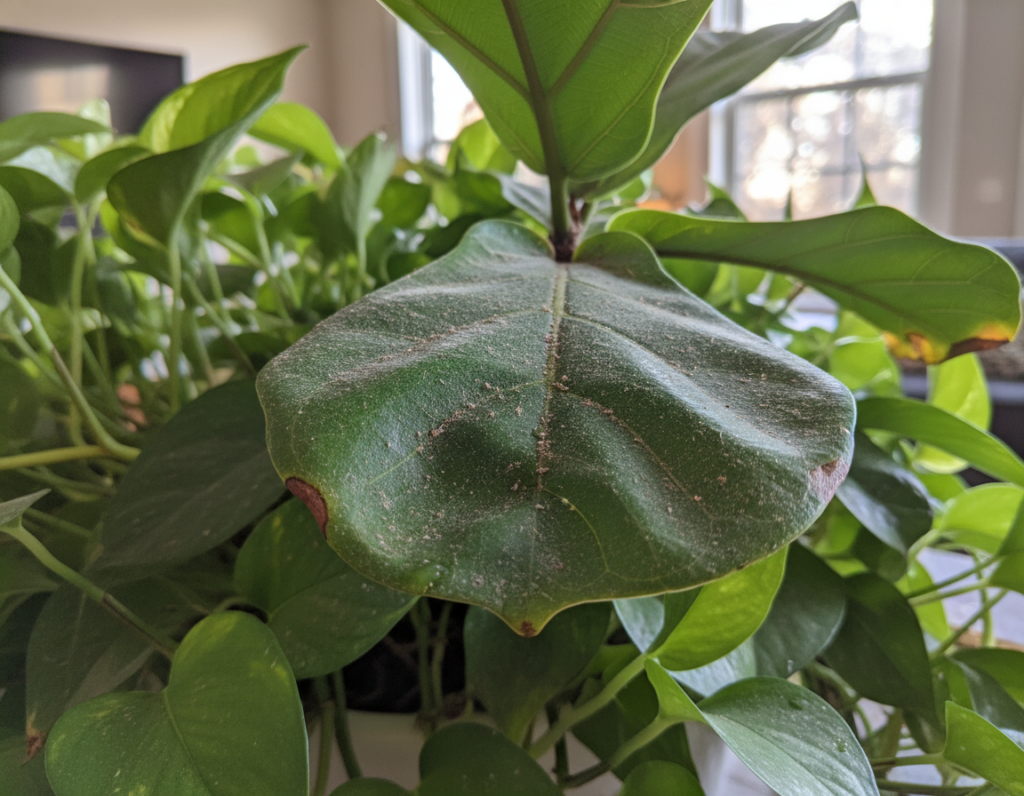
Courtenay Hartford inspects her plants right after she waters them, then trims away yellow or brown leaves with sharp pruning shears.
Remove dying foliage to let the specimen direct energy into new, vibrant growth. One or two damaged leaves are normal, but cutting them off improves appearance and health.
Use a clean pair of sharp shears for neat cuts. Clean cuts heal faster and lower the risk of spreading disease or pests across stems and soil.
- Trim only what is dead or compromised to avoid stressing the root system.
- Groom throughout the year to spot pests or disease early.
- Removing extra leaves helps the plant send resources to stronger shoots and new leaf growth.
“Trimming after watering gives a clear view of which leaves to remove and keeps pots looking their best.”
Short, regular grooming saves time and supports steady growth all year.
Fertilizing for Consistent Nutrient Support
A steady supply of nutrients keeps foliage vibrant and prevents slow decline.
Over time, potting mixes lose their minerals. Adding light feedings fills that gap and fuels steady new growth.
Choosing the Right Liquid Fertilizer
Liquid formulas blend easily with water and give predictable doses. Courtenay Hartford uses Thrive liquid fertilizer drops added during her weekly watering to keep things consistent.
- Add a bit of liquid fertilizer when you water to see more new shoots and stronger leaves.
- Most soil mixes start with nutrients, but they deplete. Regular feeding makes sure houseplants get what they need.
- Match strength to species: heavy feeders like many tropicals need more support than slow growers such as snake plants.
- Use a measuring drop or cap so each pot gets the same dose and avoids burn.
Consistent nutrient support is a small investment of time that yields steady results across the collection.
Propagating New Plants from Existing Clippings
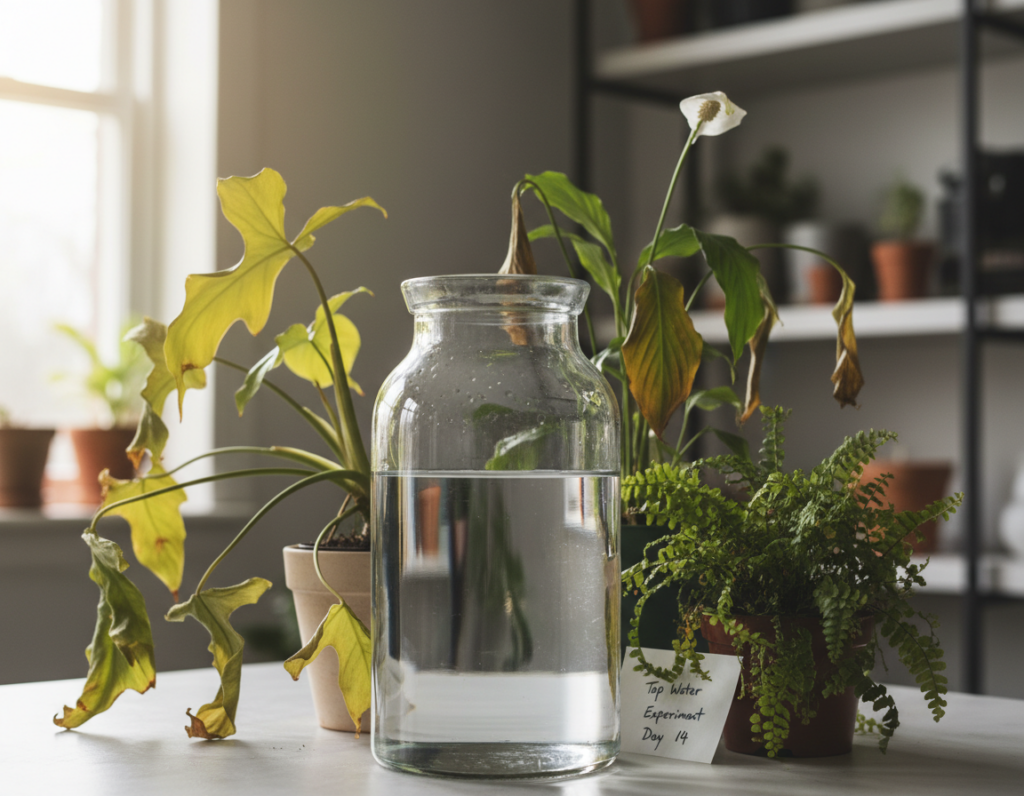
Taking a healthy cutting and rooting it in water is one of the easiest ways to expand a home collection. Courtenay Hartford cuts 6‑inch stems with two to three leaves and drops them into a clear jar of water.
Place the jar on a sunny window to encourage strong roots. Check the water every few days and replace it if it gets cloudy.
After a few weeks you will often see tiny white roots. When roots are a couple inches long, pot the clipping into fresh soil. Courtenay adds a small dose of Boost fertilizer from Plant Vitamins to help the new houseplant settle in.
“Propagation is a fun, free way to grow more greenery to share with friends and family,” Courtenay says.
This simple way of expanding your collection requires little gear and delivers big rewards. With a jar, clear light, and basic fertilizer, the process turns a single stem into multiple happy specimens you can enjoy or gift.
Seasonal Adjustments for Year-Round Success
As seasons change, small adjustments keep houseplants resilient and growing year-round. These tweaks protect roots, preserve moisture balance, and reduce stress from cold air or dry heat.
Winter Watering Habits
During winter, plants enter a rest phase and need less water. Check the top soil before adding moisture and avoid watering on a fixed day.
Tip: water only when the top inch is dry to prevent root rot and soggy soil.
Managing Humidity Levels
Low indoor humidity causes brown leaf tips and slow growth. Raise humidity with grouped pots, a tray of pebbles and water, or a humidifier.
Keep air gently moist around sensitive species like snake plants to reduce stress.
Repotting During Spring
Repot in spring every one to two years to refresh soil and give roots space. Move up one pot size at a time so roots are neither cramped nor lost in a huge container.
On a warm spring day, bring plants outside to repot for less mess and better light during the transition.
- Winter: reduce watering and check moisture more often.
- Humidity: raise ambient moisture to protect leaves.
- Spring: repot every 1–2 years, one pot size up.
For more seasonal tips and detailed guides, see seasonal tips.
Conclusion
A steady approach to light, water, and soil keeps leaves full and roots strong with little stress. Small, clear habits let anyone protect greenery and enjoy lasting results.
Observe each specimen and adjust amounts of water and exposure to suit its needs. This helps prevent common problems and keeps growth steady.
Simple actions—good drainage, routine feeding, and occasional trimming—help houseplants recover faster and look better.
Rotate pots and watch how individual plants respond. With time, those small choices build confidence and a healthier collection.
Follow these tips and a little patience will turn your space into a lush, calm corner that brings nature indoors.