Many home gardeners ask whether modern grow systems can match the intensity and quality of natural sunlight. Advances in technology now let hobbyists replicate a balanced spectrum that supports steady growth year-round.
High-quality led grow lights deliver targeted coverage and predictable output. This means a plant collection can thrive in spaces that once lacked enough sun.
Choosing the right fixture and understanding its color spectrum are the first steps toward reliable indoor gardening. Proper design and setup let anyone turn a corner of their home into a healthy garden.
In short: with the right system and placement, growers can expect consistent performance that rivals natural sunlight and supports strong growth across seasons.
Understanding the Role of Artificial Light
Artificial fixtures can reproduce the spectrum and intensity that many species need to complete photosynthesis indoors. A properly chosen led grow light supplies the energy plants use to make sugars and build tissue.
The success of any interior garden depends on three simple things: output, coverage, and control. Output and the quality of the fixture determine whether a grow light delivers usable energy at the canopy.
Coverage matters as much as power. Even a high-performance system will leave gaps if the hanging height or distribution is wrong.
By adjusting color balance and intensity, a gardener can mimic seasonal cues that trigger leafing, flowering, and fruiting. Every indoor plant has unique needs, so learning how to position and time the lighting is a core gardening skill.
- Choose a fixture with a reliable output rating.
- Ensure even coverage across the garden area.
- Match spectrum to the growth stage of the crop.
Why LED Lights for Indoor Plants Are the Superior Choice
Modern growers pick efficient fixtures because they cut energy use and deliver steady, usable output. This matters when balancing utility costs with reliable growth and coverage.
Energy Efficiency
High-efficiency led grow light systems use far less power than older bulbs. That saves money and reduces heat near the canopy. Lower heat also means fewer ventilation needs and simpler setup for a small home garden.
Longevity
Longevity is a real advantage. Fluorescent options often last 10,000–20,000 hours. A modern led grow can run 25,000–50,000 hours or more.
Long life cuts replacement costs and keeps a grow light’s output steady over seasons. This reliable performance supports consistent growth and healthier plants.
“Investing in a quality fixture reduces downtime and gives predictable light output for long-term success.”
- Lower energy use per watt.
- Longer operational lifespan.
- Better coverage with less heat.
Decoding the Full Spectrum for Optimal Growth
A true full spectrum system aims to reproduce the full range of wavelengths that plants use at every growth stage.
A full spectrum led grow light is designed to mimic natural sunlight by delivering blue, red, and white bands in balanced proportions.
These grow lights supply the exact energy needed for photosynthesis. That helps seedlings establish roots and mature vegetation build biomass.
Understanding spectrum lets gardeners tune intensity and timing. Proper spectrum management improves flowering, fruiting, and leaf quality.
- Balanced output: ensures even coverage and steady growth across a garden.
- Stage-specific energy: provides red and blue bands where they matter most.
- Reliable performance: a quality system keeps output consistent over seasons.
“A carefully chosen full spectrum fixture gives a more natural and effective indoor gardening experience.”
The Impact of Color Wavelengths on Plant Development
Different bands of the light spectrum steer key phases of plant development. Gardeners who understand colors can tune a fixture to support each stage of growth.
The Role of Red Light
Red light (600–700 nm) encourages flowering and fruiting. Many varieties respond to increased red bands when moving from vegetative stages to bloom.
The Importance of Blue Light
Blue light (400–500 nm) is essential for vegetative vigor. It helps strong stems, healthy leaves, and robust root systems during early growth.
Benefits of White Light
White light delivers a balanced mix that mimics natural sun. Using a full spectrum led grow light ensures a harmonious blend of red, blue, and neutral bands.
- Blue supports leaf and root development.
- Red drives flowering and fruit set.
- White provides overall balance across stages.
“Choosing a high‑quality fixture and matching spectrum to the growth phase improves overall performance.”
Determining the Right Wattage for Your Indoor Garden
Sizing a fixture by wattage is the starting point to matching light output to a home garden’s needs.
For most common house varieties, a range of 20–40 watts per fixture provides enough intensity to support steady growth. Lighter feeders do well in this band without excess heat or cost.
More demanding species call for stronger output. Growers should consider fixtures at 40 watts or higher when aiming for vigorous flowering or dense canopy growth.
Wattage matters, but it is not the whole story. A full spectrum led grow light with balanced color bands and consistent output will outperform a higher-watt unit that offers poor coverage or mismatched spectrum.
- Match wattage to plant demand and the size of the garden area.
- Consider spectrum and output so energy reaches the canopy where it is used.
- Balance coverage by combining fixture wattage with placement and stand height.
- Monitor performance and adjust to encourage flowering and lush foliage.
“Correct wattage paired with the right spectrum produces the best growth results.”
Essential Factors for Proper Light Coverage
How high a fixture hangs changes coverage more than any single performance spec on paper. Proper placement makes the difference between patchy and uniform growth.
Calculating hanging heights is a key step when planning a garden. The right distance ensures usable output and even spectrum across the canopy.
Practical height guidelines
Follow manufacturer ranges as a starting point and then fine-tune by watching leaf response. Typical recommendations include:
- Aspect: 12–60 inches above the canopy.
- Vita: 12–80 inches, depending on model and crop.
- Highland: 12–96 inches for wider coverage.
- Grove: 1–24 inches for close, intense exposure.
When they account for species and stage, growers can adjust a full spectrum led fixture to optimize plant growth. Small changes in stand height adjust intensity and color balance at the canopy.
Tip: start high, lower gradually, and monitor leaves for bleaching or stretching to hit the ideal balance between coverage and performance.
Positioning Your Fixtures for Maximum Performance
Correct fixture placement transforms raw output into usable coverage that supports steady canopy development. Start by centering each led grow light above the densest plants and allow gentle overlap between adjacent units.
Keep a measured distance and lower the grow light gradually during early growth. This prevents stretch while avoiding leaf scorch as the canopy thickens.
Adjust angle and height to steer spectrum and intensity where it matters most. A small tilt can remove shaded pockets and improve uniform plant growth across a shelf or bench.
- Space fixtures so coverage overlaps by 10–30% to avoid gaps.
- Use adjustable stands to fine‑tune distance as crops mature.
- Monitor output at canopy level, not at the fixture face.
“A well-placed full spectrum fixture turns a compact garden into a productive, attractive space.”
Integrating Grow Lights into Your Home Decor
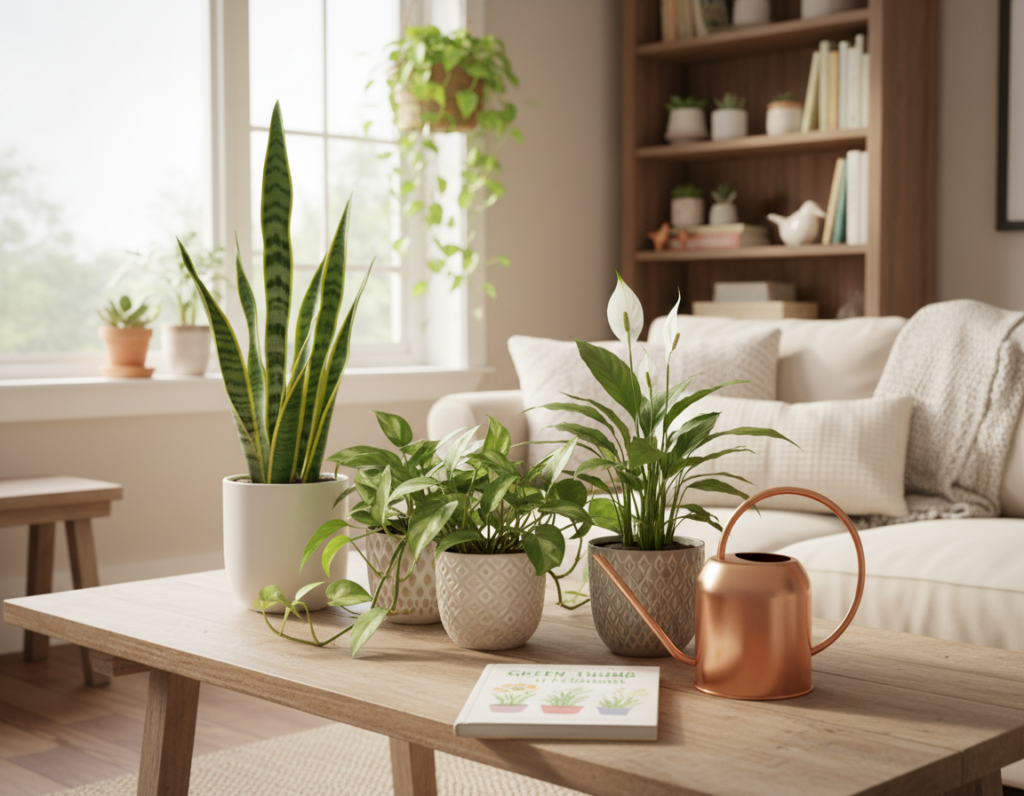
Stylish fixtures now blend function and form, letting a garden become a design feature in any room. Well‑designed units offer clean lines and finishes that match modern furniture and shelving.
With the right approach, a resident can make their indoor gardening setup feel intentional rather than utilitarian. Matching finishes, using planters that echo room tones, and grouping greens creates a cohesive look.
Integrating equipment into living areas keeps the space both beautiful and productive. Many people now mount compact fixtures over shelves or inside glass cabinets to highlight foliage while providing steady light.
- Choose a stylish fixture that complements the room’s palette.
- Place greenery where it doubles as decor and a focal point.
- Use flexible stands to adapt the grow area as tastes change.
“A thoughtfully styled indoor garden becomes part of the home’s character while meeting growth needs.”
Comparing Different Types of Indoor Lighting Systems
Some growers favor compact tabletop units while others need robust multi-tier stands to scale a collection. Choosing between them depends on space, goals, and the desired level of control.
Tabletop Units
Tabletop units suit small apartments and shelves. They are easy to set up and move. A full spectrum led grow light fits neatly above a single pot or tray.
These units use less power and offer targeted coverage. They work well for starters, propagation, and compact herb gardens.
Multi-Tier Stands
Multi-tier stands expand capacity without taking extra floor area. Stackable racks and modular stands adapt as a collection grows. They pair well with adjustable fixtures to tune output per shelf.
Many gardeners prefer modular systems because they balance design and efficiency in a home setting. Whether a small setup or a full garden, the right stand and system ensure even coverage and reliable growth.
- Tabletop: compact, portable, low cost.
- Multi-tier: scalable, customizable, high capacity.
- Both integrate a quality led grow light and full spectrum options.
Maintenance Tips for Long-Lasting Performance
A scheduled maintenance routine prevents output loss and keeps spectrum quality stable. Regular checks ensure the grow light continues to deliver usable energy that supports steady growth.
Dust buildup reduces output and shifts the effective spectrum. Wipe lenses and fans gently with a soft cloth every two to four weeks. Unplug the unit before any cleaning.
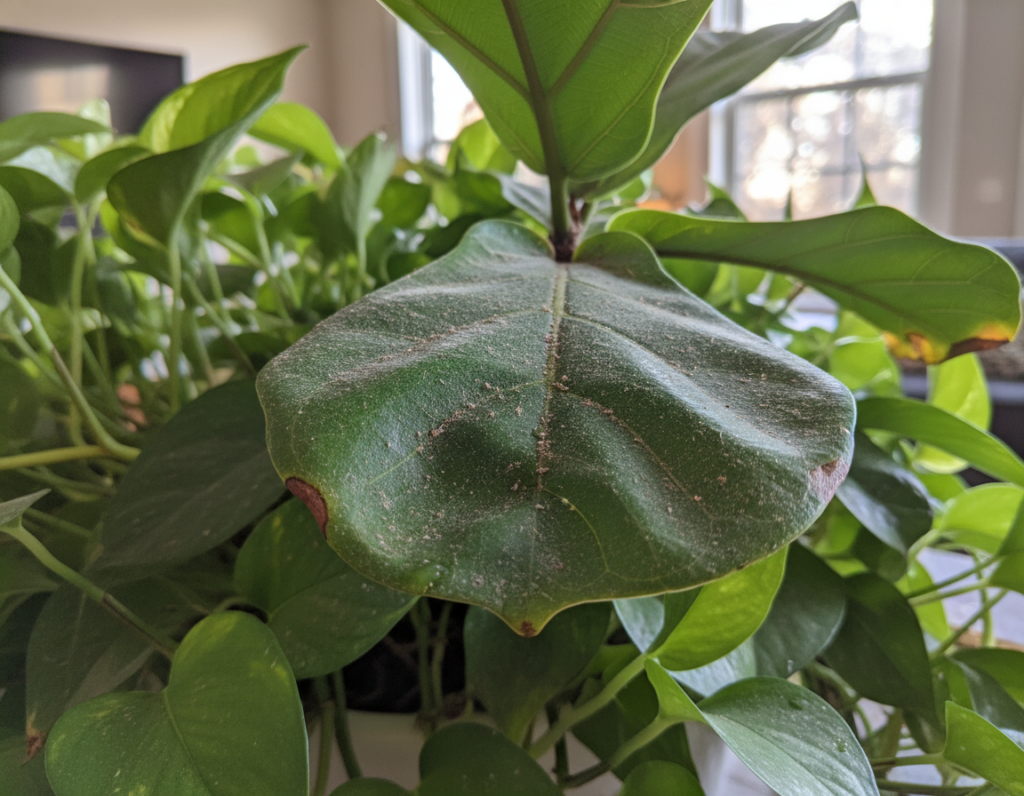
Monitor plants closely and adjust coverage as the canopy changes. Move or lower the fixture to avoid shaded pockets and to keep uniform growth across the bench.
Quality systems are built to last, but care extends service life. Inspect wiring, mounts, and ventilation periodically and replace parts per the manufacturer’s schedule.
- Clean optics to preserve spectrum and intensity.
- Check mounts and cables to prevent failures.
- Adjust coverage as plants grow to maintain even light distribution.
“Simple, regular maintenance keeps performance steady and helps plants reach their potential.”
Selecting the Best Equipment for Your Specific Space
Choosing the right fixture starts with matching output and coverage to the exact footprint of the room.
Measure the area and note which plants need high or low intensity. Then match those needs to a grow light with the proper spectrum and wattage.
A full spectrum option often delivers the balanced color bands plants use to mimic natural sunlight. That balance supports steady plant growth from seedling to bloom.
Consider home design when you pick gear. A compact full spectrum led fixture can sit on shelves or hang above a tabletop without clashing with decor.
- Match coverage: ensure the beam reaches the entire canopy.
- Prioritize quality: better gear keeps output steady and reduces maintenance.
- Choose versatility: adjustable mounts and dimming make it easier to grow a wider range of species.
“Investing in the right grow light and planning coverage delivers healthier growth and less guesswork.”
Beginners can read a helpful beginner’s guide to refine choices and match equipment to space and goals.
Conclusion
Using a tailored fixture can turn a dim corner into a productive, green focal point. Modern systems deliver a balanced spectrum, sensible wattage, and predictable coverage to support vigorous growth year‑round.
Choose the right model, set proper hanging height, and keep a simple maintenance routine. Proper placement and upkeep extend service life and keep performance steady while blending into home decor.
With energy‑smart designs and portable tabletop or multi‑tier options, it is easier than ever to create a lush, productive space that supports a gardener’s goals.