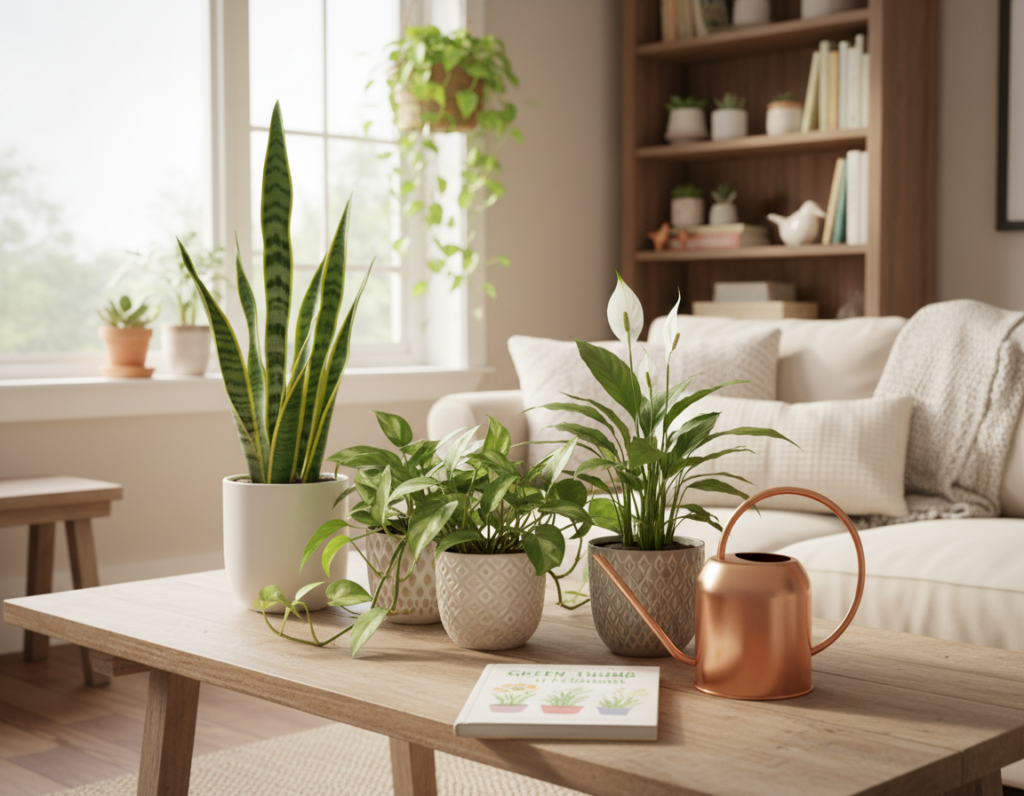
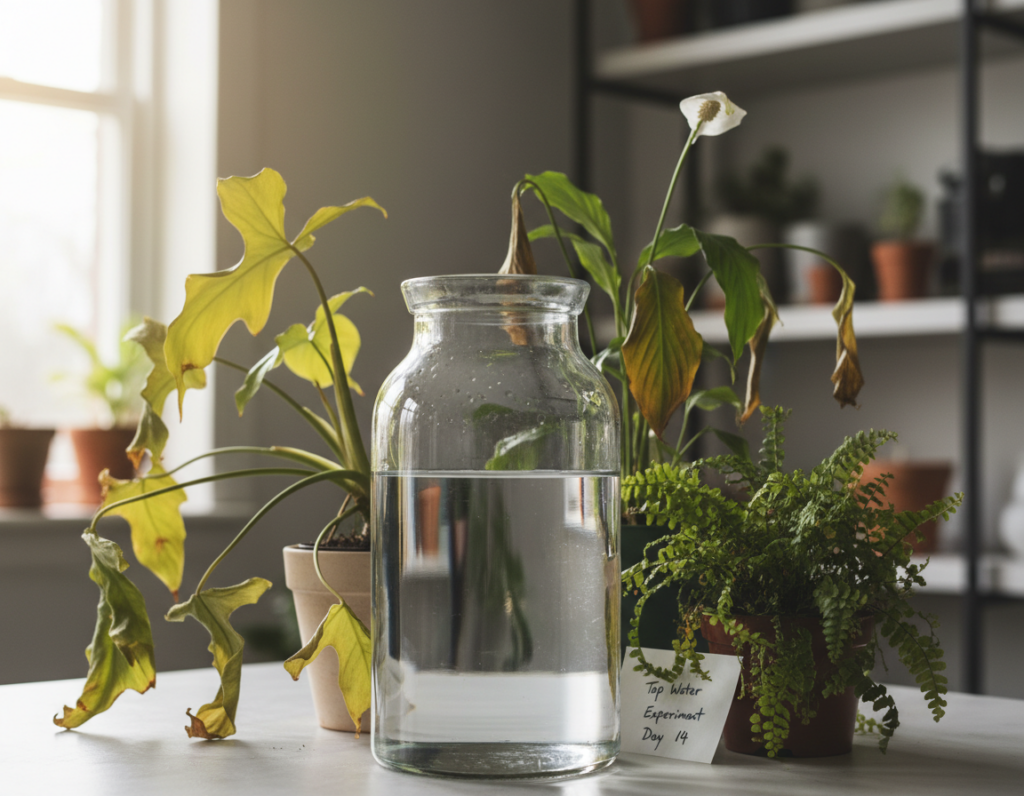
Healthy houseplants show steady growth, firm roots, and vibrant leaves. When a leaf wilts, turns yellowing, or develops brown tips, it signals an issue that needs quick attention.
Many problems stem from mismatched light, water, or soil conditions. Low humidity and cold drafts in winter often cause leaf drop and slowed growth. Spider plants and dracaena frequently show brown tips first when stressed.
Proper care means steady watering, well-draining soil in a pot with drainage, and enough air circulation to prevent rot. If blooms fail, check daylight length, temperatures, and fertilizer levels for the specific species.
For a clear visual guide to common issues and fixes, consult the Missouri Botanical Garden’s guide on problems common to many indoor plants.
Identifying Unhealthy Indoor Plant Symptoms
Small changes in leaf color and texture are usually the first clear signs of trouble. A quick visual check saves time and keeps minor issues from becoming major problems.
Visual Signs of Stress
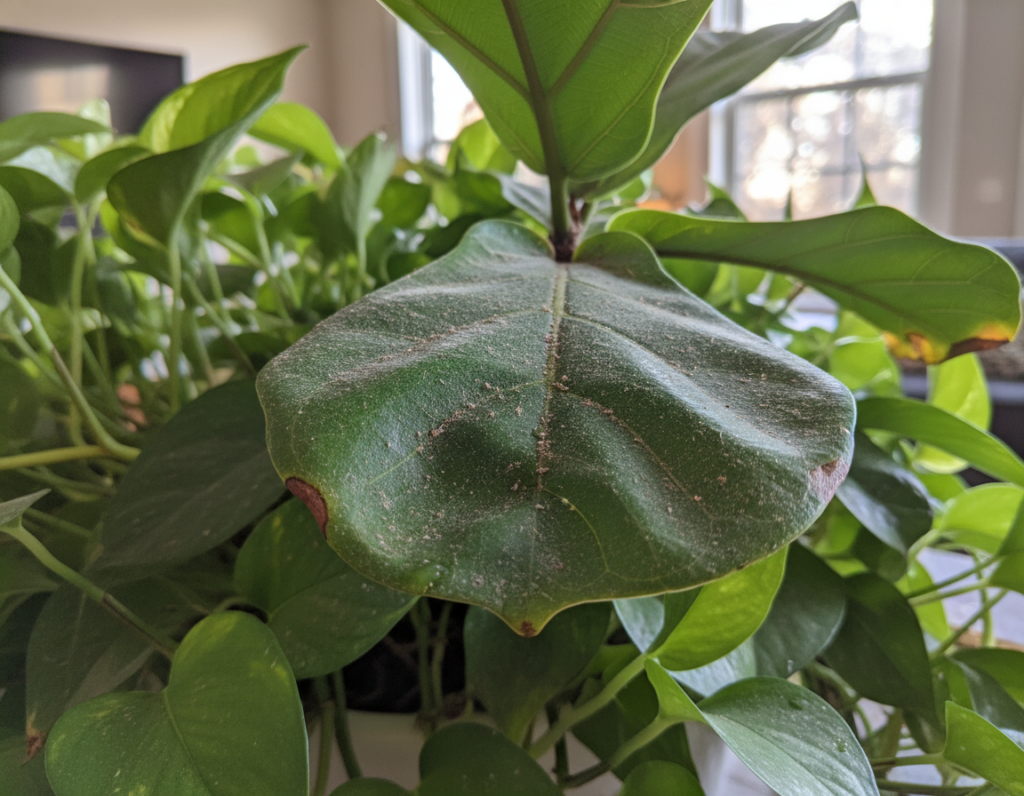
Yellowing leaves often point to overwatering or too little light. Brown tips appear on species like spider plant and dracaena when humidity is low or fertilizer salts build up.
- Leaf drop may occur after you move plant containers to a darker spot; this can be temporary.
- Scorched or bleached foliage means too much light — consider moving the specimen.
- Stunted growth can signal poor root oxygenation or compacted soil.
Assessing Leaf Health
Inspect both surfaces and the underside of leaves for pests that cause distortion or yellowing. If blooms stop, review the fertilizer schedule and light cycles.
Tip: Check soil moisture before adjusting water or watering frequency to avoid rot.
Environmental Factors Affecting Plant Vitality
Air flow, temperature swings and humidity levels shape how well a houseplant grows. They set the pace for root activity, leaf color and overall growth.
Low humidity in winter often causes brown tips on sensitive leaves and slows growth. By contrast, stagnant air and high moisture can trigger powdery mildew or oedema when water is trapped around tissues.
Proper drainage and loose soil are essential to prevent rot. A pot with good drainage keeps roots from sitting in water and reduces the chance of root loss.
“Place plants where they get steady, indirect sunlight and gentle air circulation.”
Practical steps: place specimens away from direct hot windows, allow the soil to dry between watering sessions, and check temperatures near vents or doors. Use balanced fertilizer during the active season to support healthy leaves and blooms.
- Make sure location offers filtered light and moving air.
- Avoid overwatering; let the topsoil dry slightly before adding more water.
- Monitor winter humidity and add a tray or humidifier if levels are very low.
Common Pests That Damage Houseplants
A few common bugs can create visible spots, webbing, or sticky residue on leaves. Catching them early prevents spread and long-term damage.
Thrips and Aphids
Thrips are thin-bodied, winged insects that fly between plants and leave a stippling pattern on foliage.
Aphids suck sap, may also excrete a sticky substance that builds up on leaves and attracts other pests.
- Remove heavy infestations by rinsing foliage with soapy water.
- Inspect new additions and isolate affected specimens.
- Use a steady spray to dislodge eggs and adults from stems and leaf undersides.
Spider Mite Infestations
Look for fine webbing and tiny dots on a leaf surface. Spider mites thrive in dry, dusty conditions and cause yellowing leaves.
- Raise humidity and wipe leaves to reduce mite numbers.
- Repeat gentle soapy washes until webbing stops.
- Check nearby plants; infestations spread quickly.
Dealing with Fungus Gnats
Fungus gnats are smaller than fruit flies and live in wet soil. Their presence often signals overly moist conditions that can damage roots.
- Allow the topsoil to dry between waterings to break the gnat life cycle.
- Use sticky traps to monitor adults and reduce numbers.
- Replace soggy soil and improve drainage if gnats persist.
Tip: Regular inspection for spots, webbing, or sticky residue is the best way to stop pests before they cause serious damage.
Managing Fungal Diseases and Rot
Fungal threats often start where moisture stays too long in the soil. Root rot develops when fungi take hold in overwatered soil and starve roots of oxygen.
Recognize root rot early: a foul smell, black or mushy roots, and wilting despite regular watering are clear warnings. Yellowing leaves and leaf drop may follow as growth slows.
Treating Root Rot Effectively
If root rot is present, unpot the specimen and trim away any soft, dark tissue. Save firm, pale roots and discard the rest.
- Treat the remaining roots with a 50% water and 50% hydrogen peroxide mix before repotting.
- Repot into fresh, sterile soil and a pot with good drainage to prevent repeat rot.
- Sanitize tools between jobs to avoid spreading fungi from one plant to another.
Powdery mildew shows as gray-white patches on leaves and stems, common when humidity is high and air circulation is poor. Anthracnose can cause tan tips and yellowing leaves; remove affected foliage to stop spread.
Tip: Make sure the pot drains well and that watering matches the species’ needs. Good air flow and steady temperatures help prevent fungal growth and leaf drop.
Correcting Growth and Foliage Issues
When leaves look leggy or pale, corrective steps will restore balanced growth. Start by checking light and the plant’s placement near a window. Etiolation occurs when a specimen stretches toward a light source, so moving plant closer to a bright window can reverse spindly stems.
Pale leaves often mean too much direct sunlight, especially for tropical types that prefer filtered or dappled sunlight. Moving a plant a few feet away from a hot window reduces scorch and helps color return.
Distorted leaves—curling or twisted growth—may also point to pests or low humidity. Trimming brown leaf tips improves appearance, but it does not fix a deeper water or soil issue. Address the cause to prevent further drop or rot.
- If showing etiolation: move the specimen toward brighter, indirect light.
- For pale or scorched leaves: shift the pot a few feet back from strong sunlight.
- If leaves are distorted or spotty: inspect for insects, remove affected foliage, and boost air flow.
- To fix spindly growth: increase light and cut back on fertilizer to promote compact leaves.
Tip: Always follow the fertilizer label; over-fertilizing can cause burnt tips and stunt growth.
Conclusion: Maintaining Long-Term Plant Health
, Small, steady habits—like checking light and soil—prevent many common problems.
Maintaining healthy plants requires regular checks of light, watering, and soil conditions. Quick inspections of leaves and roots catch pests or rot before they spread.
Always ensure pots have proper drainage and that houseplant locations match species needs. Adjust humidity and temperature to support steady growth.
Final tip: consistent, gentle care yields the best results. With routine attention, houseplants repay effort with lasting beauty and vigor.