The health of small houseplants can change quietly. What looks like normal growth may hide rising humidity and water build-up that harm leaves over time.
The Royal Horticultural Society offers clear guidance on proper care to prevent mold and damage. By watching air and humidity levels, a resident can spot early signs and act fast.
Early detection matters. Checking soil, checking pots, and noting yellowing leaves stops small problems from becoming major damage.
Consistent care keeps greenery vibrant in a home where levels swing with seasons. Simple steps curb excess moisture and protect long-term growth.
For a practical checklist and expert tips, see the RHS summary on best practices at growing houseplants.
Identifying Signs of Indoor Plant Moisture Issues
A fading leaf or limp stem is usually the first clue of a watering imbalance. Quick checks of foliage and soil help pinpoint what is happening before serious damage sets in.
Visual Symptoms of Overwatering
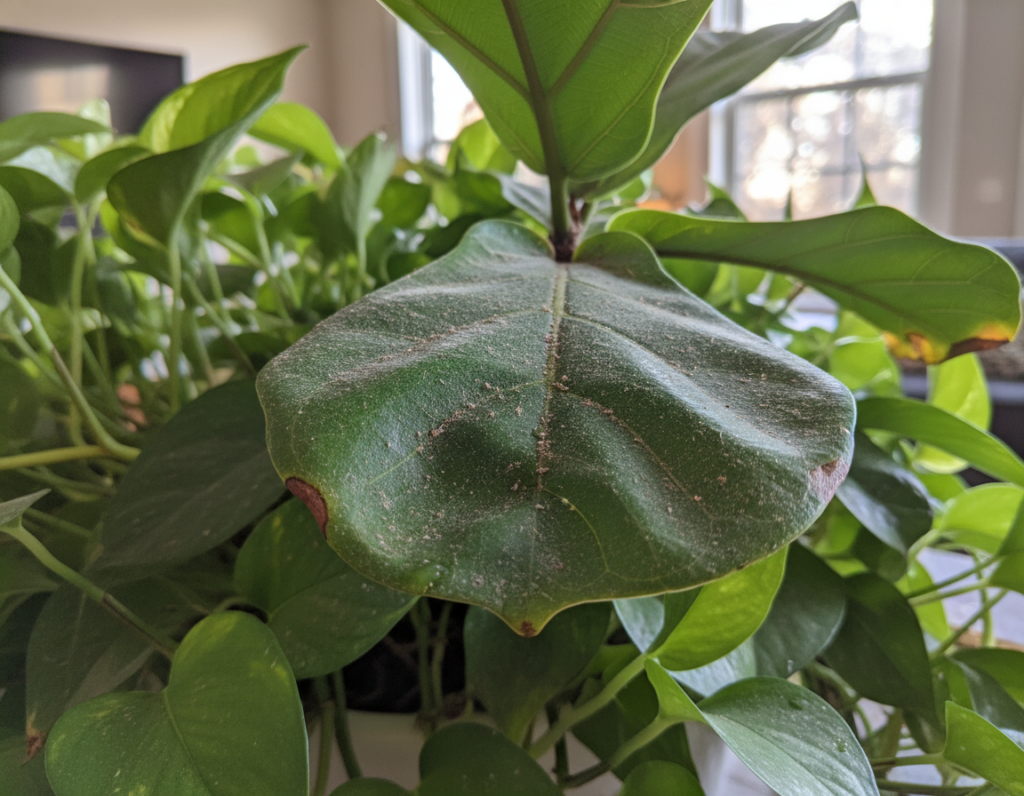
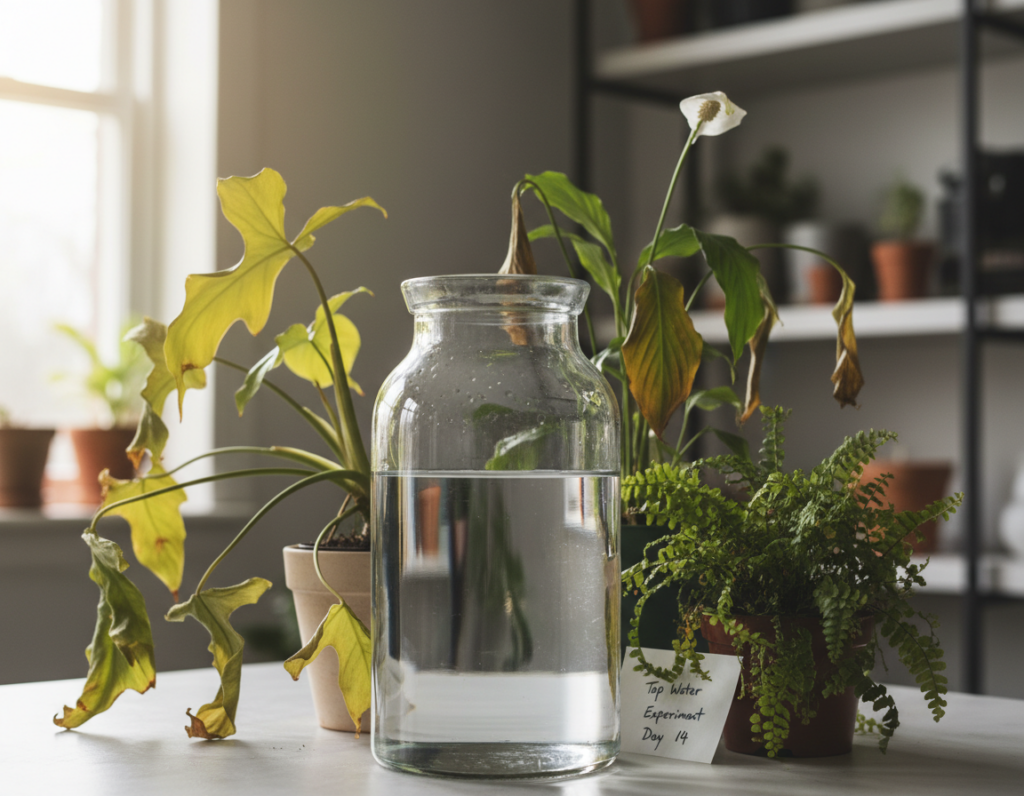
Yellowing leaves are a common sign. They often result from too little light or too much water and can spread if not caught.
If stems stay firm but leaves flop, the gardener should check the soil. Soft, discolored spots on leaves or stems can indicate excess humidity and early mold growth.
- Yellow or brown leaf edges that widen over time.
- Limp leaves while stems remain solid.
- Slow growth and pale new leaves.
Detecting Root Rot
Root rot happens when water lingers near roots and cuts oxygen supply. Signs include a sour smell, blackened roots, and sudden leaf drop.
Act fast: Gently remove the plant from its pot to inspect the roots. Trim soft or dark roots and repot into fresh, well-draining mix if needed.
For step-by-step guidance on diagnosis and environmental care, see diagnosing houseplant problems.
The Role of Soil Drainage and Potting Media
Poor drainage quietly starves roots of oxygen and slows visible growth. The Home and Garden Information Center updated guidance on March 13, 2023, warns that excess water reduces oxygen and damages fine roots.
When potting media stays soggy, plants show clear signs: yellowing leaves, wilting, and slowed growth. These symptoms can mirror drought because roots cannot take up water when air is displaced by lingering water.
“Excess water in the soil reduces oxygen, which is vital for healthy plant growth.”
To avoid these problems, choose a well-draining mix and pots with drainage holes. If the soil is too dense it traps excess water and invites mold or decay.
- Check drainage by lifting the pot after watering; heavy weight or seepage means poor flow.
- Repot into a lighter mix when roots crowd or growth stalls.
- Ensure consistent air circulation around the root zone to balance water and air.
- Regular checks help catch early signs.
- Good drainage protects roots over time.
- Appropriate media supports steady growth in a home setting.
Environmental Factors Affecting Humidity and Airflow
Room temperatures and ventilation together set the stage for steady growth or for damage over time. Careful control of humidity and air movement reduces the risk of brown patches on leaves and fungal problems.
Balancing Air Circulation
Good air flow helps prevent moisture from lingering on leaves. When air moves freely, fungal spores find it harder to colonize wet surfaces.
When temperatures climb above 75°F, plants need more frequent water to avoid heat stress. Move pots away from direct sun in south-facing windows to reduce risk.
Monitor both humidity and circulation to keep the environment stable over time. If rooms stay humid, increase air movement with a fan or by opening a window when weather allows.
- Keep vents and windows clear so air can flow around foliage.
- Use a small fan on low for rooms with high humidity.
- Position pots so they receive light without trapping stale air.
Managing Pests and Fungal Growth
Pests and fungi can undermine healthy growth long before a gardener notices visible damage. Aphids, thrips, and spider mites often hide under the leaves of plants and leave fine webbing or tiny brown spots. Mealybugs appear as fuzzy white clusters and thrive in warm, humid conditions during summer.
Good air flow and routine checks reduce the chance that mold and fungal growth take hold. A lack of circulation lets moisture linger on stems and leaf surfaces, giving spores a place to start.
- Inspect the undersides of leaves and along stems for webbing or cottony clusters.
- Wipe foliage with a damp cloth and isolate affected plants to limit spread.
- Address brown edges or spots promptly; they can signal pests or nutrient shortfalls.
Consistent care—regular inspections, keeping leaves clean, and improving air movement—helps prevent long-term damage. Quick action saves time and supports steady growth for houseplants in any room.
Adjusting Your Watering and Care Routine
An easy testing routine helps catch early signs of overwatering and saves growth. Small, consistent checks reduce stress on leaves and roots over time.
Testing Soil Moisture Levels
Use a dowel or wooden stick to check large containers. Insert it to the root zone; if soil sticks, delay watering. This method keeps plants from sitting in excess water.
Proper Drainage Techniques
Good drainage means pots have holes and the mix drains fast. Lift pots after watering to feel weight. Repot into a lighter mix if water pools or slow drainage appears.
- Ensure pots have at least one drainage hole.
- Use a mix with perlite or grit to speed flow.
- Elevate pots slightly to let excess water escape.
Pruning Damaged Foliage
Trim brown leaf edges and yellowed leaves to direct energy to healthy growth. Remove soft stems and blackened roots when visible.
“Regular pruning and simple drainage fixes prevent many common problems and help keep houseplants vigorous.”
Conclusion: Maintaining Long-Term Plant Health
Keeping greenery thriving relies on regular checks and small corrections made early. A steady routine gives each plant a better chance to stay healthy and show steady growth.
Inspect leaves often for pests, early mold, or signs of damage. Quick treatment prevents spread and saves time later.
Manage water and ensure good drainage. Monitor humidity and humidity levels so roots receive air as well as water.
Balance light and air, prune damaged leaf edges, and tailor care to each species. These steps protect foliage and support long-term vigor.
Consistent attention keeps plants attractive and resilient in any home.