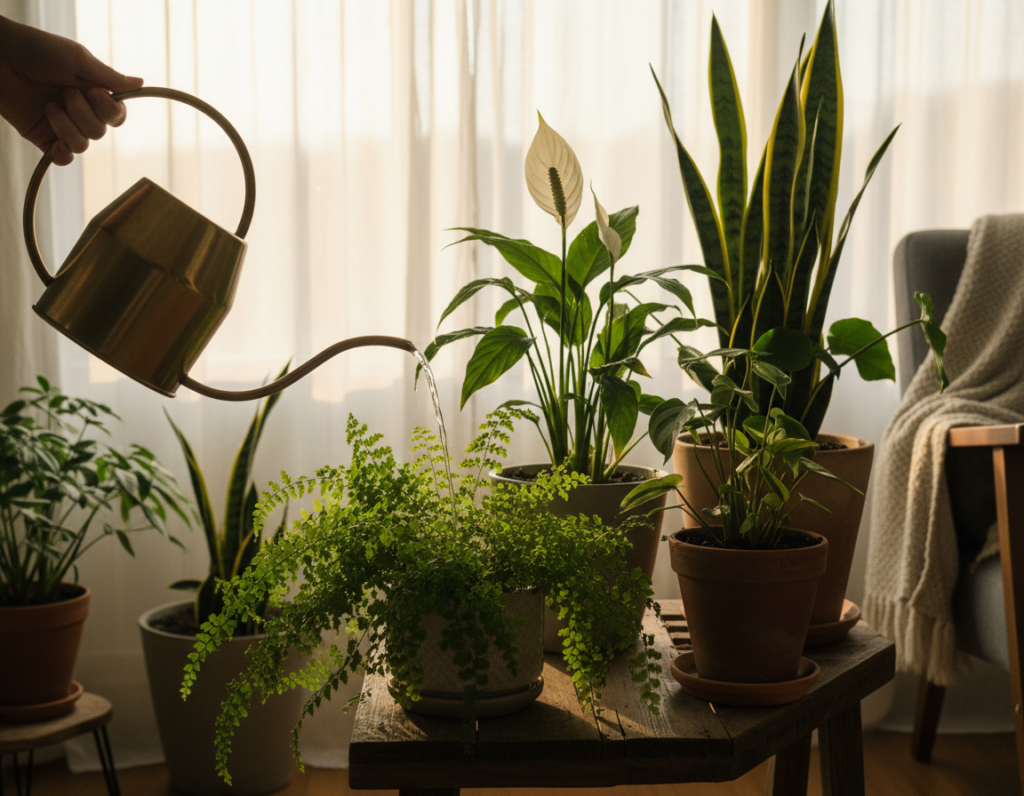
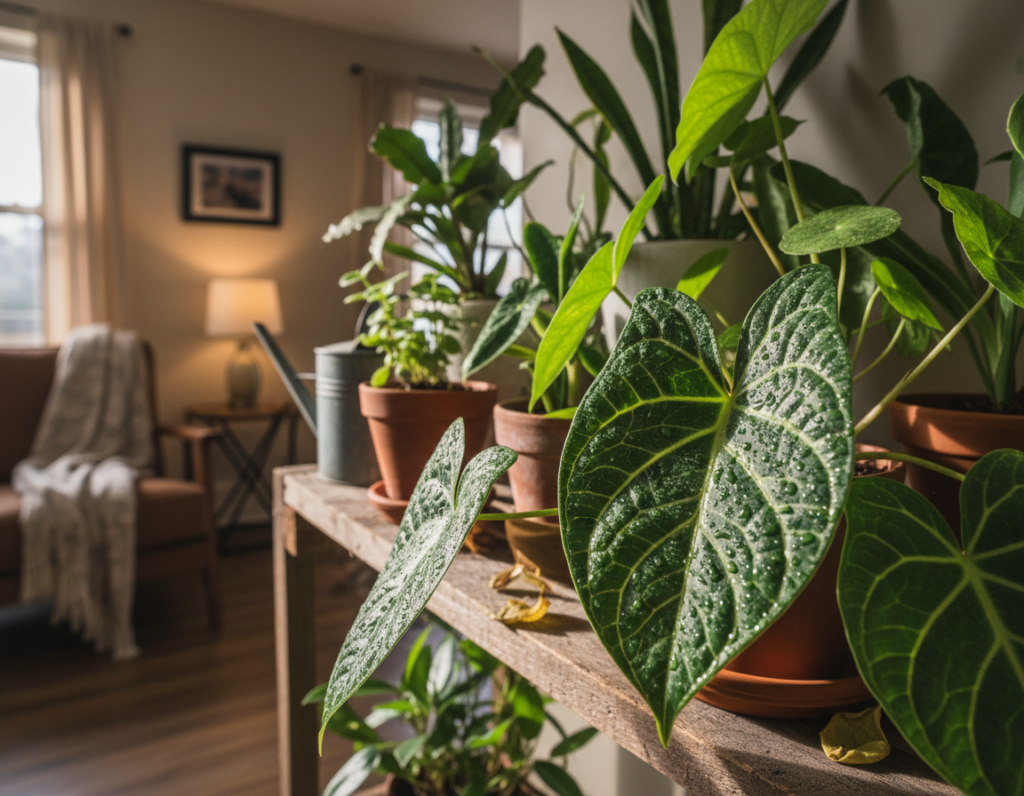
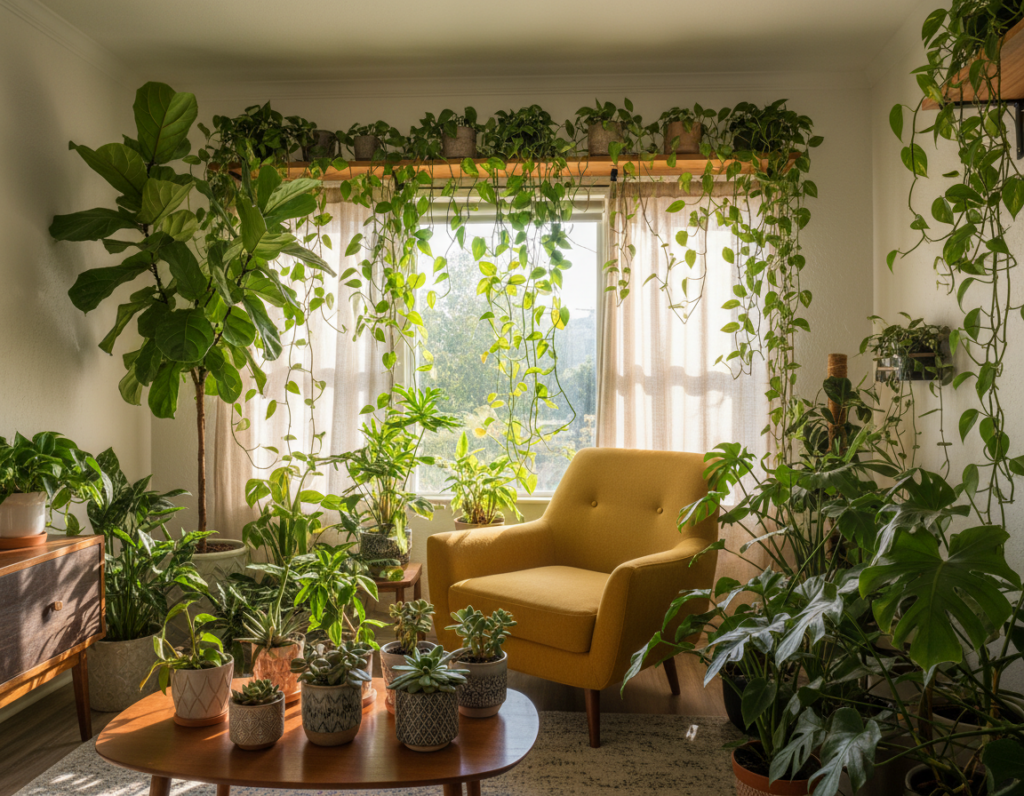
Many people in the United States bring tropical species into their homes without realizing how mechanical cooling changes the room. Modern air systems lower humidity and shift the microclimate quickly. This creates stress for species that evolved in warm, wet forests.
Understanding the phrase air conditioning effects on indoor plants helps owners plan better. When the climate in a home changes, the plant must adjust its water use, leaf function, and growth cycle. Good plant care starts with noticing those altered conditions.
Householders can protect green life by taking simple steps. For sensitive tropical plants, add humidity, group pots, or use trays to boost local air moisture. With steady attention, houseplants recover faster and show stronger growth.
Understanding Air Conditioning Effects on Indoor Plants
Mechanical cooling systems can change a room’s humidity and temperature faster than most people expect. Many common houseplants come from humid, stable climates and will feel that shift quickly.
Cooling units remove heat and moisture, which creates dry air that stresses tropical species. Research shows that low humidity and cooler temperature fluctuations reduce leaf function and stunt growth.
“Knowing a specimen’s ideal humidity and temperature range is the first step toward healthy houseplants.”
When foliage looks limp or brown at the edges, it is often because the system stripped moisture from its immediate environment. Simple tips help: group pots, use trays, or add a humidifier near vulnerable specimens.
For a deeper guide on balancing home comfort and green care, see whether cooling systems harm houseplants.
Identifying Signs of Plant Stress
Leaves usually reveal trouble first, giving a clear signal that conditions need attention. Observing foliage daily helps owners catch problems early. Short checks save root systems and promote steady growth.
Leaf Discoloration
Yellowing or browning at the edges of plant leaves is a common sign of dehydration. When tips turn crisp, the specimen likely lacks enough moisture.
If houseplants drop leaves or petals rapidly, the change points to poor air quality or abrupt humidity loss. Addressing leaf issues quickly prevents spread to healthy tissue.
Growth Stagnation
When a plant stops producing new shoots, it may struggle to balance water and nutrients. Slow growth often reflects stress rather than a soil nutrient shortage.
Regularly check soil moisture and pot drainage to ensure roots stay healthy. Proper plant care — consistent watering, light, and humidity — helps restore normal growth.
- Watch foliage for color and texture changes.
- Monitor soil moisture to prevent chronic drought stress.
- Note growth pauses and adjust care accordingly.
The Impact of Cold Air Vents
Cold drafts from vents can damage leaf cells faster than most people realize. A direct blast of cold air can freeze cell contents and block the pathways that move water and nutrients through a plant.
Sudden temperature changes stress roots and foliage. This often shows as wilting, brown tips, or stalled growth.
To protect specimens, place them away from vent openings and avoid direct airflow. Moving pots to a more stable spot in the home reduces the risk of dehydration and cellular injury.
- Cold air blowing from vents can freeze cells and interrupt nutrient flow.
- Moving plants away from air conditioning vents prevents direct dehydration.
- Relocate specimens near vents to a steadier area to avoid stress from temperature changes.
Managing Indoor Humidity Levels
Humidity matters for healthy house greenery. When cooling runs often, the room can become much drier than plants prefer.
Using Humidifiers
Modern systems can drop humidity to roughly 30–40%, while most potted species do best between 40–60%.
Using a humidifier is one of the most effective ways to raise moisture and help plants thrive. Place the device near groups of pots, not directly against foliage, to create a gentle, even increase in humidity levels.
In summer, when air conditioning is running, a nearby humidifier prevents rapid water loss from leaves and soil. That steadier moisture supports steady growth and reduces brown tips.
- Measure humidity with a hygrometer to aim for 40–60%.
- Run humidifiers during long cooling cycles, especially overnight.
- Keep clean filters and refill reservoirs to avoid mold risks.
Manage room moisture and you create a stable home for long-term growth.
Creating Humid Microclimates
Simple tools can raise local moisture levels and protect delicate leaves from dry drafts. Small microclimates help reduce stress and support steady growth for house specimens during long cooling cycles.
Pebble Trays
Pebble trays lift the pot above a shallow reservoir of water so evaporation increases humidity around the pot. This method adds moisture without wetting the soil or risking root rot.
Tip: Keep water below the pot rim so the roots do not sit in water.
Grouping Plants
Placing several pots together creates a shared pocket of higher humidity as each specimen transpires. Grouping also reduces exposure to dry drafts and helps maintain steady moisture around leaves.
Misting Techniques
Misting raises humidity directly around foliage but must be used carefully. Avoid misting fuzzy leaves, such as African violets, because hairs trap droplets and promote fungal growth.
For best results, mist every day or every other day for a light, consistent boost. Always mist in the morning so leaves dry before evening.
- Pebble trays hold water below pots to increase local humidity.
- Grouping creates microclimates as plants release vapor together.
- Misting helps but skip fuzzy-leaved varieties to prevent disease.
Strategic Plant Placement
Some rooms naturally shield green life from abrupt temperature swings and low humidity. Kitchens, bathrooms, and laundry rooms often stay warmer and more humid, so they suit many common house specimens.
Keep plants away from air vents and direct drafts. A steady breeze of cold air or direct flow from vents causes rapid water loss and stress.
Place sun-loving plants near windows that give bright, indirect light. Avoid direct rays that can scorch leaves. Choose each location to match the plant’s light and temperature needs.
- Use warmer rooms to protect vulnerable specimens from cooling systems.
- Group pots to raise local humidity and stabilize microclimate.
- Move pots away from cold air vents and drafty doorways.
“Thoughtful placement keeps plants vigorous through seasonal changes.” Small moves often prevent big problems and help greenery thrive in varied home conditions.
Watering Practices for Conditioned Environments
In conditioned spaces, soil dries unevenly and timers alone can mislead caretakers. They should check soil moisture by touch or with a meter to know when a plant really needs water.
Deep watering helps roots reach moisture and avoids frequent shallow wetting. Water until liquid drains from the pot bottom, then allow extra drainage.
Remove saucers after a soak so excess water cannot sit against roots. Standing water causes root stress even when humidity levels seem fine.
- Check soil daily where cooling runs long; some houseplants need more frequent water.
- Adjust frequency by species—succulents and cacti need less water than tropical varieties.
- Use a moisture meter to confirm need, especially during hot months.
“Reliable watering starts with reading the pot, not the clock.”
Seasonal Transitions and Outdoor Acclimation
A gradual outdoor introduction helps a specimen adapt to higher light and variable temperatures. Start when night temperatures stay above 50°F so roots do not chill.
Move pots slowly. Let a plant spend one hour outside the first day, then add a few hours the next day. Increase time each day over one to two weeks.
Even sun-tolerant varieties need time to adjust. Direct sunlight after months indoors can scorch leaves if exposure rises too fast.
Watch soil moisture closely. Outdoor heat often raises water needs, so check soil and adjust watering frequency to avoid stress.
- Safe to move out when night temperatures are steady above 50°F.
- Introduce outdoors gradually to prevent shock.
- Monitor soil and water needs as light and humidity change.
- Protect pots from high winds during acclimation.
“Slow, staged exposure is the simplest way to keep houseplants healthy through seasonal moves.”
Soil and Potting Considerations
Good potting choices are the first line of defense against soggy roots in cooled rooms. Use well-draining soil mixes so excess moisture moves away from roots quickly.
SummerWinds Nursery recommends placing a nursery pot with drainage holes inside a decorative container. This makes watering easier and prevents standing water at the root crown.
Aim to keep room temperature steady near 70–75°F during the growing season. Stable temperature helps roots function and reduces shock from brief cooling cycles.
If a favorite pot lacks drainage, replant into a liner pot and remove excess water after watering. Proper soil choice plus a drainage liner lowers the chance of root rot and supports steady growth.
- Ensure well-draining soil to prevent root rot in conditioned rooms.
- Use nursery pots as liners inside decorative containers for easy watering.
- Maintain steady temperature around 70–75°F for healthy houseplants.
Good potting and soil care make it easy for greenery to tolerate changes in humidity, light, and moisture. For more detailed tips, see this practical guide to houseplant care.
Monitoring for Pests and Airflow
Look under leaves and at stem bases regularly to find pests while populations are small. Check for spider mites, aphids, and scale. Early detection prevents spread and reduces recovery time for each plant.
Use a small fan to promote gentle air circulation around pots. Good circulation reduces pockets of high humidity and lowers the risk of mold or mildew. Avoid a direct blast; a slow-moving breeze is best for steady growth.
Do not crowd pots. Give each specimen enough space so foliage dries after watering. This helps keep signs of disease and pest attraction to a minimum.
- Inspect under leaves and near stem junctions for tiny pests.
- Run a fan on low to move air and cut humidity pockets.
- Treat infestations promptly with insecticidal soap or neem oil.
- Trim dead or yellowing leaves to encourage new growth.
- Keep a consistent watering routine to avoid attracting pests.
Conclusion
Small adjustments to placement, humidity, and watering create stable conditions for steady growth.
They should keep plants away from cold vents and use a humidifier or pebble trays to raise local moisture. Monitor soil moisture and water deeply when needed to support root function and healthy leaves.
Consistent plant care—right light, steady temperatures, and good soil—reduces stress from air conditioning and low humidity. With these simple steps, houseplants recover faster and thrive through seasonal changes.
Follow routine checks each day and adjust as conditions change to keep growth steady and foliage vibrant.