Leaves reveal a lot. In apartments, foliage is often the first sign that something needs attention. Yellowing, wilting, or crispy brown edges on leaves point to common problems that can erode a collection’s health over months.
Before bringing a new houseplant into the home, one must learn its needs. Establishing a simple routine helps prevent slow damage. Observing leaf color and texture makes early diagnosis possible.
Small changes in care produce big results. Many residents develop subtle, bad indoor habits without realizing it. These routines let diseases and stress take hold before anyone notices.
This section offers clear signs and practical tips to spot trouble early. By focusing on leaves and following basic plant care, apartment plants can stay vibrant and thrive over time.
Understanding the Impact of Bad Indoor Plant Habits
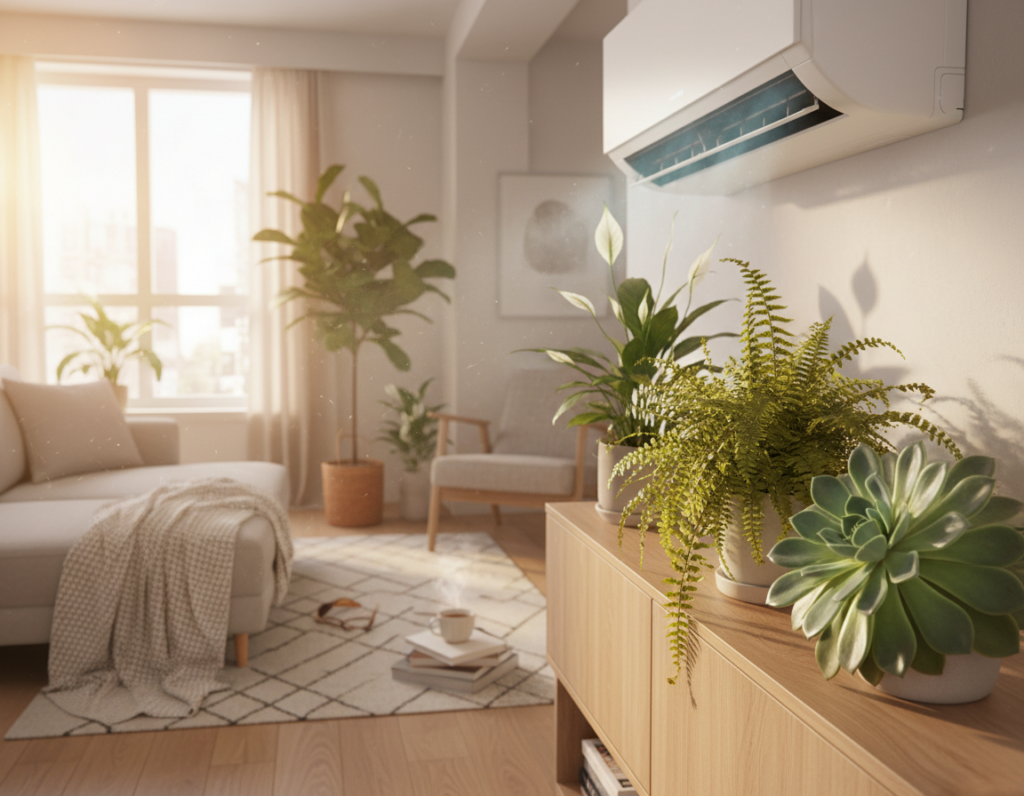
A mismatch between a home’s conditions and a species’ requirements often shows up on leaves first. Dim, air-conditioned rooms create an environment few specimens prefer.
Lighting matters: low light reduces photosynthesis and can make a plant’s leaf turn yellow. That yellowing is one of the clearest signs of stress.
Many problems look similar. Using sight, smell, and touch helps distinguish pests, nutrient deficits, or diseases. Gentle sniffing and feeling the soil can speed correct diagnosis.
- Check lighting and move plants to match their needs.
- Research species-specific conditions before bringing plants home.
- Watch for early signs and act quickly to avoid long-term health issues.
Simple adjustments in care—better lighting, proper placement, and routine checks—prevent many common issues and keep houseplants resilient.
The Dangers of Improper Watering Techniques
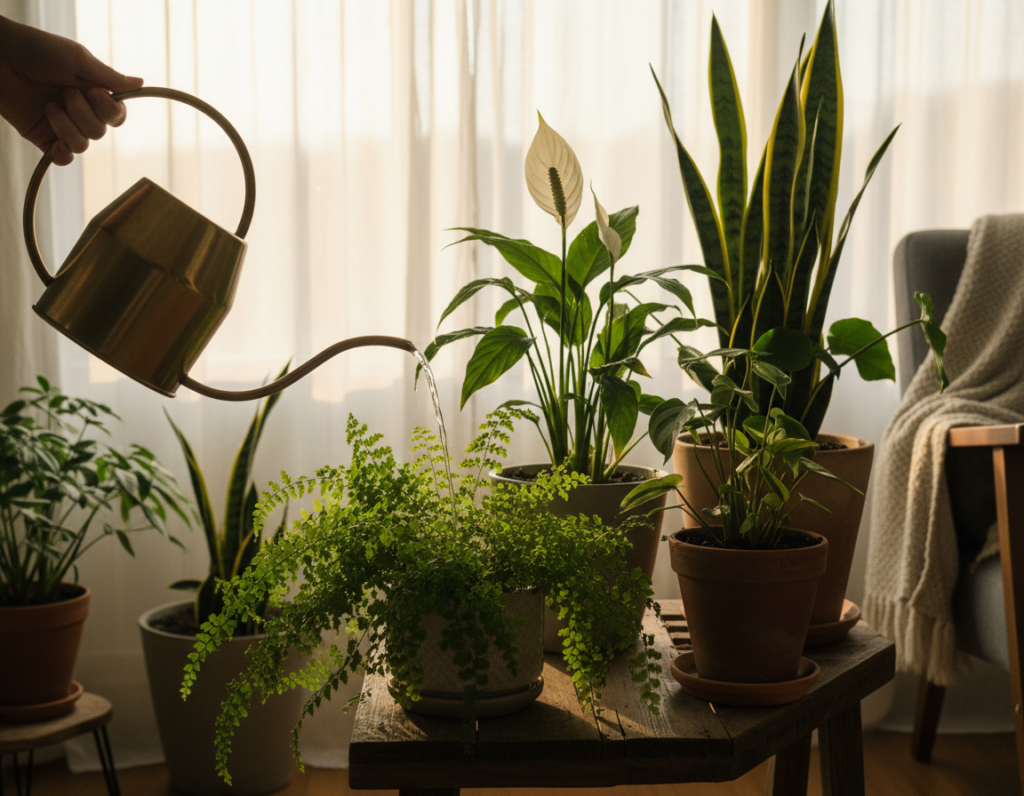
How water is applied makes a bigger difference than many people realize. Simple errors in timing and method create stress that shows on leaves and roots long before it is easy to reverse.
Overwatering and Root Rot
Too much water left in the soil leads directly to root rot. When roots sit in soggy media, oxygen is scarce and decay sets in.
Prevention is straightforward: use pots with drainage holes so excess water can escape, and check soil about 1 to 2 inches deep—about the second knuckle—before adding more.
The Risks of Underwatering
Underwatering causes leaves to wilt and roots to shrivel. Inconsistent moisture makes plants drop foliage and lose vigor.
If a specimen is dehydrated, set its container in a shallow tray of water for 30 minutes to an hour so the soil can rehydrate from the base. Also, let tap water stand 24 hours, or use rain or filtered water to avoid mineral build-up.
- Consistent watering avoids swings in moisture that harm roots.
- Monitor soil regularly and adjust volumes by species needs.
Recognizing Signs of Nutrient and Fertilizer Mismanagement
Nutrient imbalances show subtle signs before they become irreversible. Brown tips on a leaf and a white crust on the soil are classic signals of salt build-up from over-fertilizing or poor water quality.
Choose the right potting medium. Using Miracle-Gro® Indoor Potting Mix helps reduce common pest problems like fungus gnats because it lacks compost and bark that attract them.
If a houseplant appears scorched or develops brown spots, suspect excess fertilizer or uneven nutrient uptake. Proper lighting and humidity affect how roots absorb nutrients and can mimic disease signs.
When over-fed, place the pot in a sink or tub and run water through the soil to flush salts and restore balance. Repeat flushing every week until the white residue fades.
- Watch plant leaves for spots or brown tips as early warning signs.
- Limit fertilizer to label rates and pause during slow growth.
- Maintain good light and stable humidity to prevent nutrient problems.
Managing Light Exposure and Environmental Stress
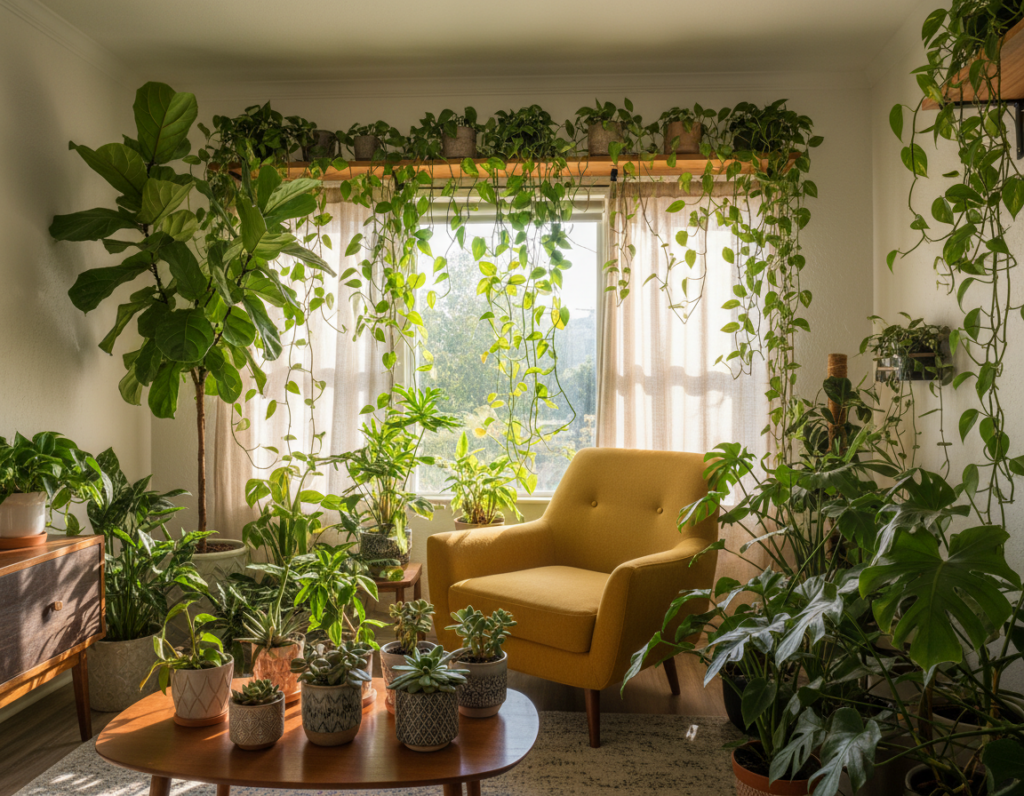
Sunlight and airflow shape how well plants adapt to an apartment’s microclimate. Assess each specimen’s lighting needs—bright light, bright indirect, medium, or low—and place it where that category is met.
Correcting Lighting and Air Circulation
Too much direct sunlight can bleach leaves and scorch a leaf surface. When foliage looks washed-out, move the plant to gentler sunlight or an east-facing window.
Improving air flow reduces fungal issues like powdery mildew. A small fan on low speed helps circulate air without drying the soil too fast.
- Rotate plants weekly so light hits all sides for even growth.
- Watch for stretching or leaning—those signs mean the plant needs more light.
- Monitor humidity and adjust with a tray of water or a humidifier if the environment is too dry.
Simple placement changes—right light, steady air, and mindful watering—prevent many common issues and keep houseplant leaves fuller and healthier.
Identifying and Treating Common Houseplant Pests
Tiny insects and mites can multiply quickly, turning a subtle issue into a crisis. Early detection protects leaves and stems and limits long-term damage.
Spider mites are eight-legged arachnids that weave fine webbing and leave faint white spots on leaf surfaces. They suck juices and cause rapid yellowing. For small infestations, wipe leaves with a soft cloth and use a targeted spray. For heavier pressure, consider a labeled product such as Ortho® Insect, Mite & Disease 3-in-1 and follow the directions closely.
Dealing with Mealybugs
Mealybugs look like cottony clusters on stems and leaf joints. Dab each insect with a cotton swab dipped in rubbing alcohol to remove adults and nymphs.
Repeat treatment weekly and isolate affected specimens until clean.
Controlling Fungus Gnats
Fungus gnats breed in moist soil and irritate roots. Let the soil dry between waterings to break their life cycle. Sticky traps and a shallow layer of coarse sand on the surface also reduce adults and egg-laying.
- DIY soap spray: mix 2 teaspoons of a soap mixture (1 cup vegetable oil + 1 tbsp mild soap) with 1 cup warm water and test on one leaf first.
- Aphids often cluster on new growth; spray with a strong stream of water to dislodge them.
- Always follow product labels and quarantine affected houseplants until pests clear.
Addressing Fungal and Bacterial Diseases
Moist, crowded conditions give fungi and bacteria a foothold that can quickly harm leaves and stems.
Watch for clear signs: bacterial leaf spots often appear as dark spots with yellow rings. Fungal infections show as brown tips, yellowing, or scattered spots on plant leaves.
If soil stays soggy from overwatering, roots soften and root rot can follow. When roots decay, the whole plant becomes vulnerable to secondary bacterial disease.
Treat small outbreaks by removing infected leaves and increasing air flow around houseplants. Lower humidity and clear debris from the soil surface to slow disease spread.
- Flush compacted soil with water if salts or rot are suspected.
- Use a fungicide labeled for indoor use for persistent fungal spots.
- Isolate affected specimens to limit pest or disease transfer.
When unsure, consult an expert. A local land-grant university extension can identify the pathogen and recommend targeted care to protect plant health and prevent further damage.
Establishing a Proactive Care Routine
A calendar-based care plan removes guesswork and lowers the chance of long-term damage. Regular checks catch early signs and make care predictable.
Creating a Consistent Maintenance Schedule
Simple steps guide a routine that keeps leaves bright and roots healthy. Check soil moisture at different times of year and log results on a checklist. That record helps refine watering and avoid root rot.
Always confirm drainage holes are clear so excess water can escape during rehydration. Use a shallow soak when a specimen is thirsty and let excess run out. Good drainage reduces rot and other moisture problems.
Inspect leaves and stems weekly for spots, pests, or disease. Note changes in lighting or humidity and adjust placement to match needs. Rotate containers so light and air reach all sides.
“A brief weekly review prevents small issues from becoming serious.”
- Use a checklist to track watering, fertilizer, and light.
- Check soil depth with a finger to avoid overwatering.
- Isolate any houseplant showing pests or unusual spots.
Conclusion: Cultivating a Thriving Indoor Garden
Small, consistent actions often prevent the biggest losses in a houseplant collection. Regular checks of soil moisture, light placement, and a leaf’s color give early signals that allow timely fixes.
Addressing nutrient needs and using fertilizer correctly keeps roots strong. Managing light and limiting pests preserves overall health. If a disease or pest appears, calm, prompt treatment usually restores balance.
Every specimen has unique needs. Learning those preferences and following a simple plant care routine builds confidence and success over time.
For more practical tips and a concise plant care guide, refer to trusted resources and local experts. With steady attention, houseplant collections remain vibrant and resilient.