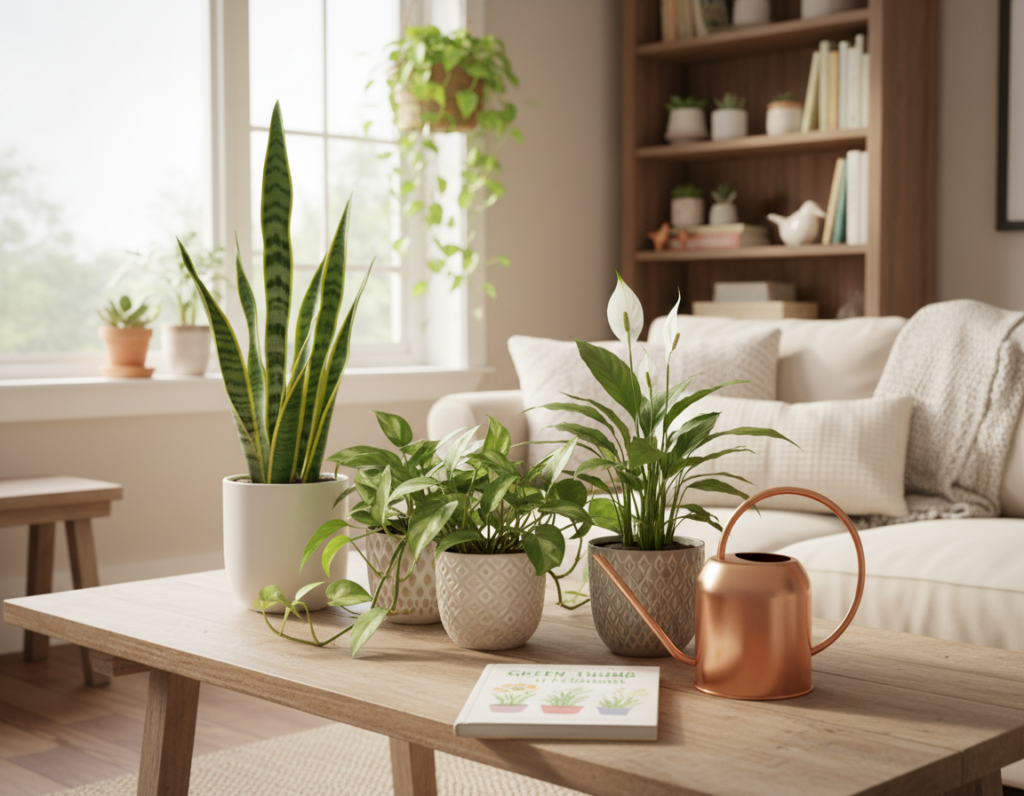
Consistent, simple actions make a big difference for people who keep houseplants. He maintains a collection of 30-something plants, and several have thrived for over 12 years.
Routine care helps prevent common issues like overwatering, poor drainage, and pests. Small checks for soil moisture, proper light, and air flow stop many problems before they start.
This section offers clear tips on watering, potting, fertilizer choice, and soil mix. It explains how to match water and light needs to each plant type and when to adjust conditions.
Simple steps — regular checks, a good potting mix, and the right drainage — keep houseplant leaves vibrant year-round. The goal is a steady routine that fits busy lives, not extra chores.
Understanding the Basics of Healthy Indoor Plant Habits
Knowing a species’ light, soil, and moisture preferences prevents many common problems.
Research the native environment for each houseplant to match light and humidity. Mimicking that setting reduces stress and speeds recovery when issues appear.
Daily observation is essential. Check leaves, soil level, and stems. Quick checks help decide when to adjust water or move a plant to a brighter spot.
“Regular, small checks beat occasional overhauls; steady care keeps growth steady.”
- Note how much light each houseplant receives and shift placement if needed.
- Test soil moisture before watering to avoid overdoing it.
- Provide a stable environment — steady temperature and consistent routines.
Practical tips reduce guesswork. Even forgiving varieties do better with basic monitoring and occasional feeding. That approach prevents the errors that cause most decline.
Selecting the Right Plants for Your Living Space
Picking the right species for each room makes daily care easier and more successful. Consider light levels, available time, and the potting soil you plan to use before bringing anything home.
Low-Maintenance Varieties
Choose forgiving varieties if time is limited. Snake plants, philodendrons, pothos, and spider plants tolerate a range of light and water conditions.
Group similar species together to simplify routines and reduce mistakes.
Edible Indoor Options
Growing herbs or small fruiting types adds value. Basil and dwarf citrus trees offer fresh flavor and an engaging project for the kitchen or sunroom.
- Match each species to the room’s light and humidity.
- Use the right soil and pots for cacti versus tropical varieties.
- Research specific needs before buying so houseplants thrive with minimal fuss.
Mastering Light Requirements for Optimal Growth
Light is the single biggest environmental factor that shapes leaf color, stem strength, and overall growth. Read the room first: note windows, sun angles, and shaded corners. Simple checks help decide which plants belong by the glass and which fit better in a low light spot.
Natural Light Exposure
Bright indirect light suits many houseplants and prevents burned foliage. High light intensity starts near 1,000 foot-candles; that level benefits sun-loving species. North-facing windows often provide the low light conditions some varieties prefer.
Supplementing with Artificial Lights
If the room lacks enough daylight, use grow lights. For steady growth, run lights 12 to 14 hours daily. LED and fluorescent options give usable spectrum and low heat, which protects soil moisture and air around the pots.
Rotating Plants
Rotate pots every one to two weeks so foliage receives even exposure. This prevents leaning and uneven growth that wastes leaves. Monitor leaf color and new shoots; those signals tell whether a plant needs more or less light.
- Tip: Place a spider or other low light species where the light is weakest.
- Watch how stems elongate; long internodes mean the plant needs brighter or more indirect light.
The Importance of Proper Drainage and Container Choice
Good drainage and the right pot choice protect roots and stop waterlogging before symptoms appear.
Proper drainage is critical for all indoor plants. Containers must have drainage holes to prevent excess water from causing root rot.
When selecting a pot, pick the right type and size for the root ball. Pots that are too large trap extra water and slow drying.
- Use pots with at least one drainage hole. That way, water flows out and soil stays aerobic.
- If a decorative container lacks holes, nest a smaller pot inside. Remove excess water from the outer vessel after watering.
- For hanging specimens, install ceiling hooks rated for at least 35 pounds to keep plants secure in the home.
Check drainage regularly. A quick lift after watering shows if the soil holds too much moisture. Regular checks are one of the simplest tips for long-term potting success.
Choosing the Best Potting Mix for Your Greenery
Roots respond quickly when they sit in a mix that balances drainage and nutrients. A tailored potting mix gives structure for root growth and holds just enough moisture for steady growth.
Amending Soil for Specific Needs
Perlite is a heat-treated volcanic rock that improves aeration and drainage. It is ideal for cacti and succulents or any potting mix that must dry fast.
For tropical houseplants, amend potting mix with compost or worm castings to boost nutrient content and moisture retention. That richer mix supports leaf development and steady growth.
- Use a high-quality potting mix as a base; it supports roots and stores nutrients.
- Make a lean, gritty mix with extra perlite or sand for cacti and succulents to prevent root rot.
- Avoid using garden soil; it can introduce pests and pathogens to indoor collections.
- Refresh soil every 12–18 months so plants keep access to nutrients and good structure.
“A well-chosen mix reduces stress, improves drainage, and makes watering more predictable.”
Establishing a Consistent Watering Routine
Consistent watering keeps roots functional and supports steady growth. A simple routine reduces guesswork and lowers risk of excess water or drought stress.
Check the soil before you water. The most accurate test is to stick a finger 1 to 2 inches into the potting mix. If it feels dry at that depth, the pot needs water.
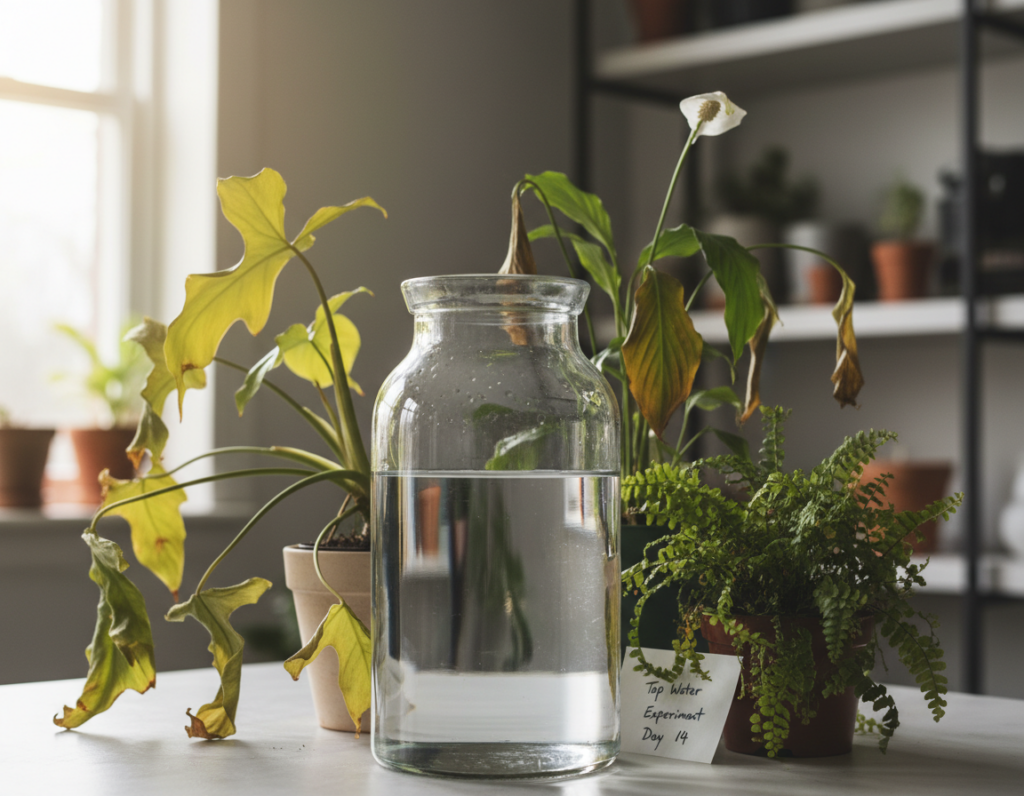
Overwatering is the most common cause of decline in houseplants. Use pots with good drainage so extra moisture can escape and roots stay aerobic.
If soil is very dry, soak the container: submerge it for about 10 minutes until bubbles stop rising. That method rehydrates the root zone quickly and evenly.
- Adjust frequency by season — many species need less water in winter months.
- Learn pot weight and look at foliage to gauge when to water next.
- Keep notes on each plant’s response so the routine matches its needs and light conditions.
Managing Humidity Levels for Tropical Varieties
Maintaining steady humidity keeps tropical foliage from browning and helps new growth stay robust. Most rainforest-origin plants thrive when ambient moisture sits between 40–60 percent. That range prevents curled or crispy leaves and supports steady leaf expansion.
Misting and pebble trays offer quick, low-cost ways to boost moisture around pots. Place pots on a shallow tray of pebbles with water below the rim so the soil never sits in water. Misting foliage can help, but avoid it if any leaf disease is present.
Misting and Pebble Trays
- Use trays to raise local humidity without overwatering soil.
- Mist sparingly and early in the day so leaves dry before night.
- Keep pot rims above the water line to prevent root saturation.
Using Room Humidifiers
For consistent results, a room humidifier is the best option. It keeps the whole room within target humidity, which helps groups of houseplants share a stable microclimate. This method reduces stress from dry air caused by heating in winter.
“Grouping plants together creates a microclimate that helps retain moisture and improves the overall air quality.”
- Tip: Monitor with a hygrometer to keep humidity in the 40–60% band.
- Group species with similar needs and avoid placing high-light specimens where moisture will condense on leaves.
Temperature Control and Avoiding Drafts
A stable room temperature helps foliage stay vigorous and growth steady. Most plants do best between 60–75 degrees F, so keep pots away from direct heater vents and chilly doorways.
Temperatures under 50–55 degrees F can cause damage. Sudden drops or spikes lead to leaf drop, stalled growth, and stress on roots and soil microbes.
Tropical varieties should be placed in the warmest spots of the home. Hardier specimens tolerate cooler rooms, but avoid extremes for any group of houseplants.
- Maintain steady conditions; avoid frequent moves between hot and cold rooms.
- Monitor windows in winter; cold panes can chill nearby pots.
- Keep pots away from exterior doors and unsealed vents to prevent drafts.
“Stable temperature and draft avoidance reduce stress and let foliage focus on growth.”
Fertilizing Strategies for Sustained Vitality
Fertilizer timing and formulation influence long-term vigor more than occasional feeding. A regular plan during active months gives each specimen the food it needs to push new shoots and strong foliage.
Start with a balanced option. All-purpose mixes with even nutrient ratios, such as 4-4-4, suit most houseplants during the spring and summer growth period.
Choosing the Right Fertilizer Formulation
Match the formula to specific needs: higher nitrogen for leafy species and more phosphorus for flowering varieties. Use slow-release or diluted liquid feeds to avoid sudden nutrient spikes.
- Fertilize in active growth months to support steady growth and leaf production.
- Follow label rates closely; over-fertilizing can burn roots and damage soil structure.
- Cut back or stop feeding in winter months when growth slows; reduce salt buildup in the root zone.
- Record which formulations work best for each houseplant so future feeding is precise and safe.
Keeping Foliage Clean and Dust Free
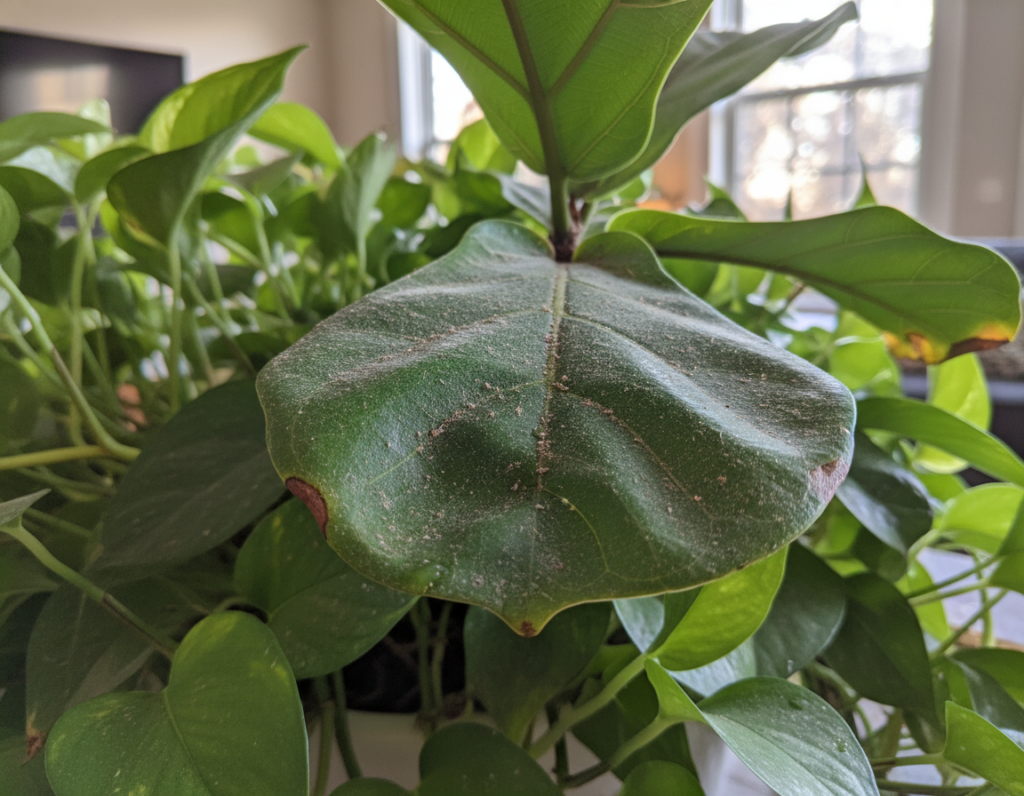
Clean leaves absorb more light and breathe better. A film of dust makes foliage look dull and cuts photosynthesis. That reduces vigor over time.
They should wipe broad leaves with a soft, damp cloth. For smaller or textured leaves, a gentle rinse in the sink works well. Allow pots to drain fully before returning them to shelves.
Regular inspections reveal pests, disease spots, or mineral buildup on leaves. Early spotting helps avoid bigger problems with soil, water, or light.
- Wipe leaves monthly or when dust is visible.
- Use lukewarm water and a microfiber cloth for best results.
- Group houseplants when rinsing to save time and raise local humidity.
“Clean foliage improves light absorption and the overall air quality in the room.”
Pruning Techniques for Compact Growth
A few precise cuts each season make pots look tidy and encourage denser branching. Pruning is the easiest way to stop long, stringy stems and promote bushier plants without extra pots or fertilizer.
Start by removing yellow or brown leaves; this is a normal part of the life cycle and keeps energy focused on new shoots. Deadhead spent flowers to nudge the specimen into producing fresh blooms instead of seed.
Vining species, such as philodendrons, benefit from selective shortening. Cut just above a node to encourage lateral shoots and a compact habit. Use clean, sharp shears and sterilize blades between cuts to prevent disease.
- Trim leggy stems to restore balance and improve how light reaches inner leaves.
- Remove damaged foliage and thin crowded growth so air circulates near the soil.
- Cut back vines to maintain desired size and shape for living spaces.
“Consistent, gentle pruning keeps collections neat and redirects energy into new growth.”
For step-by-step guidance, see how to prune and shape your. Regular trimming paired with good light and careful water management supports long-term vigor and compact form.
Monitoring for Common Pests and Diseases
A quick weekly scan for insects and disease prevents small issues from becoming crises. Regular checks let a keeper spot aphids, mealy bugs, scale, spider mites, and fungus gnats early. That saves time and keeps foliage looking its best.
Identifying Common Invaders
Inspect leaves and the soil surface for tiny webs, sticky residue, or white cottony spots. Look under leaves and at new growth. Spider mites hide on the underside and cause speckled leaf tones.
- Rinse foliage or wipe with a cotton swab dipped in rubbing alcohol to remove mealy bugs and scale.
- Use insecticidal soap or neem oil for soft-bodied pests; follow label directions.
- Isolate any new arrival for several weeks to prevent spread to other houseplants.
Managing Fungal Issues
If roots or soil smell sour, suspect root rot. Reduce water and improve air flow around pots. Check drainage holes and lift containers after watering to ensure no standing water.
- Allow the top inch of soil to dry before watering; this helps avoid excess water and fungus.
- Repot with fresh, well-draining mix when fungus gnats or rot persist.
- Tip: Increasing light and air circulation speeds recovery and supports new growth.
“Early detection and prompt action limit damage and protect the whole collection.”
Seasonal Adjustments for Indoor Gardening
As daylight hours and room warmth change, the needs of pots and soil shift too.
Reduce water and pause fertilizer during cooler months. Most plants slow their growth in winter, so cut watering frequency and stop feeding until spring. Let the top soil dry a little more between drinks.
Monitor humidity and air. Home heating dries the room and stresses leaves. Use a tray of pebbles or a room humidifier for groups of houseplants when indoor air drops.
Spring is the best time to repot. When growth resumes, move specimens into larger containers and refresh soil so roots recover quickly and vigor returns.
- Watch light levels as seasons change and move pots a few inches for better exposure.
- Reduce watering in cooler months; resume regular watering when growth restarts.
- Check humidity and improve air circulation to prevent stress and pests.
“Small seasonal tweaks keep growth steady and reduce stress across the collection.”
Conclusion
A few minutes each week can prevent most issues that harm roots and leaves. Focus on regular checks of light, water, and soil so problems stay small and easy to fix.
Learn each type’s needs and match potting mix, drainage holes, and room placement. Clean foliage, watch for pests, and adjust watering by the season to support steady growth.
With simple, steady care, houseplants will reward a home with greener leaves and stronger roots for many months. These tips make maintaining an indoor plant collection both practical and satisfying.