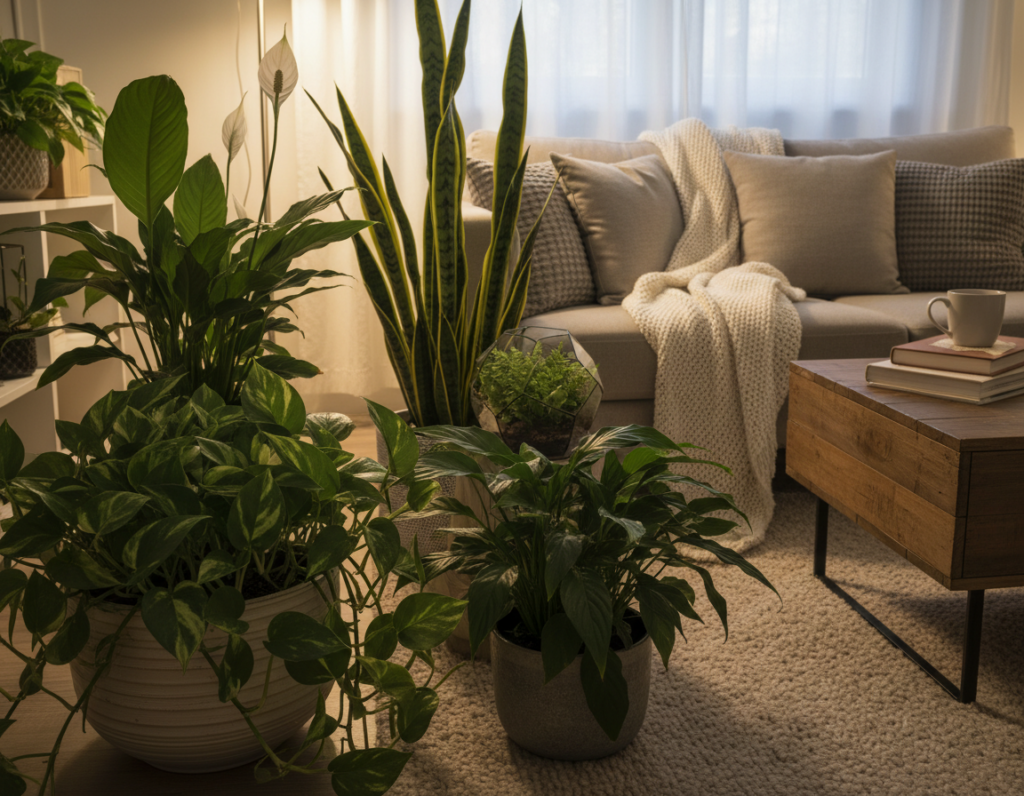
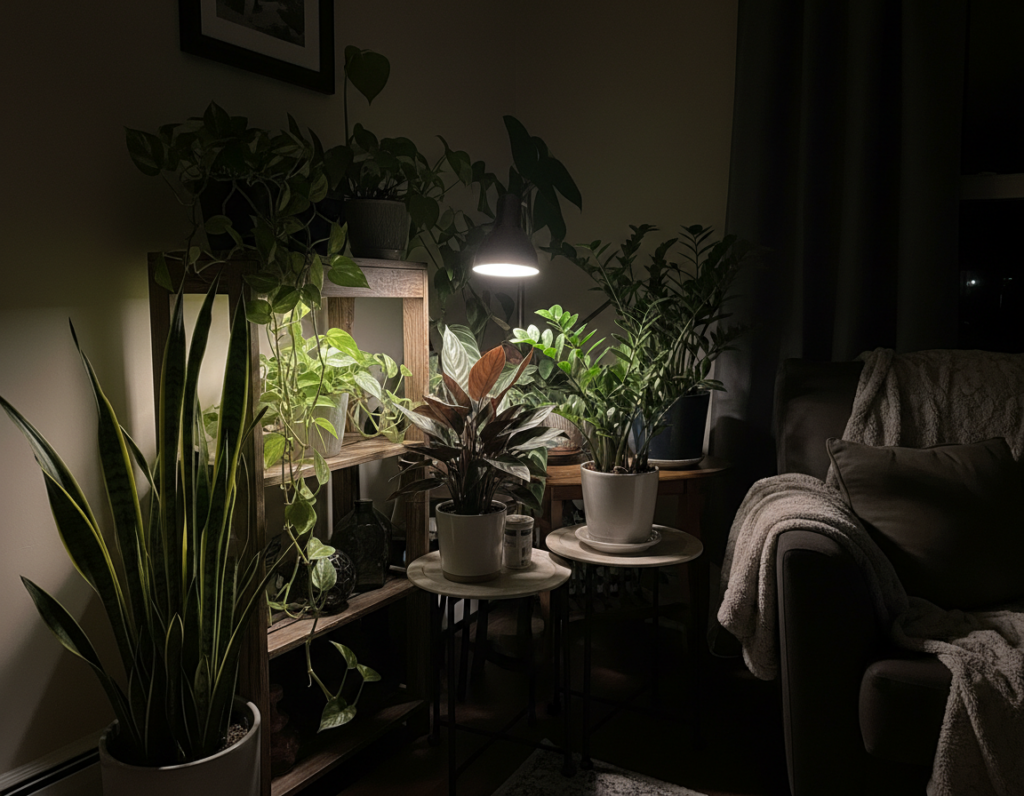
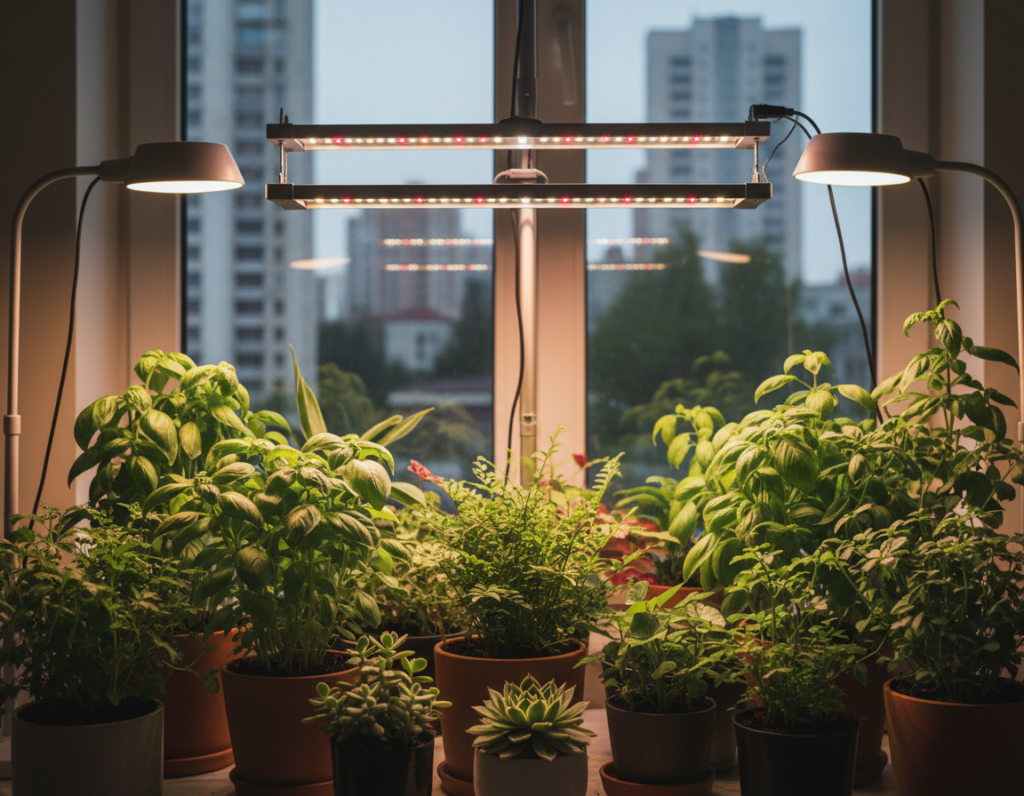
Bringing low maintenance apartment greenery into the home helps residents transform a simple unit into a calm, living sanctuary. In many multifamily communities, limited outdoor space makes indoor foliage essential for better air and a richer feel.
Many plants thrive in varied light, so even units with little sunlight can host thriving greenery. Choosing the right apartment plant lets someone personalize a small space and enjoy lush leaves without extra fuss.
By selecting resilient species, residents can add warmth and life to tight urban spaces. This approach supports healthier living and brightens common areas or private rooms in apartment living.
The Benefits of Bringing Nature Into Your Apartment
Bringing nature inside often boosts productivity and eases stress for city dwellers. Studies show that houseplants help improve concentration and mood for residents in multifamily communities.
Plants also add color and texture to a room. A well-placed plant personalizes the living area and makes the home more inviting.
Beyond looks, these additions support healthier indoor air and a calmer atmosphere. Proper water routines and thoughtful placement near natural light keep plants apartment thriving without extra effort.
- Research links plants to lower stress and improved focus in urban living.
- Indoor greenery improves air quality and connects residents to nature.
- Smart placement maximizes light and saves space while enhancing decor.
The result is a brighter, more productive apartment where a small plant becomes a practical part of daily life.
Top Selections for Low Maintenance Apartment Greenery
Choose resilient species that match common indoor light levels to make plant care simple and rewarding.
Snake plant and ZZ plant
The snake plant, also called mother-in-law’s tongue, tolerates low light and sparse water. It can reach 6 to 48 inches, so it suits shelves or corners. The ZZ plant thrives with minimal fuss and holds up when schedules are busy.
Pothos adapts to many light levels and needs little care. The spider plant sends offlets that bring plenty of life and can hang or sit on a table. Both are great choices for residents who want fast rewards with modest effort.
Succulents and palms
Succulents like Echeveria need well-draining soil and water only occasionally. Aloe vera is useful and thrives on about one watering every three weeks. For taller impact, parlor and areca palms add height. Parlor palm is pet-friendly and safe, while an areca palm can reach 6–7 feet in bright, indirect light.
- Tip: Use quality soil and match light to each plant for lasting life.
- For more hardy picks, see a trusted list of hard-to-kill options: hard-to-kill plants.
Essential Care and Styling Strategies for Urban Spaces
Smart placement and steady routines make it easy for indoor plants to flourish in tight city rooms.
Optimizing light and vertical space helps each plant access needed sunlight without crowding the floor.
Optimizing Light and Vertical Space
Check soil before you water. Pothos needs the top few inches dry to avoid root rot.
Rotate pots every few days so leaves get even exposure. Rubber plants prefer bright, indirect light and make a strong corner display.
- Always test soil moisture before adding water.
- Use hanging planters and wall shelves to free floor space and boost light access.
- Monitor air and humidity, especially during winter, to protect delicate leaves.
“A clear routine and smart display keep plants healthy and rooms inviting.”
Establish a simple schedule for watering, feeding, and light checks. This practical care makes apartment plant ownership rewarding and sustainable.
Conclusion: Cultivating Your Indoor Oasis
Anyone can build a small indoor oasis that fits their daily routine and space. Adding a few hardy plants brings color and calm to an otherwise busy unit.
Start simple: pick one easy plant and learn its light and water needs. This helps reduce upkeep and makes care feel manageable.
Each addition enhances the home and connects residents to nature. Over time, these small choices turn an apartment plant collection into a meaningful part of apartment living.
For tips on making the most of compact rooms, see how to integrate houseplants into small spaces.