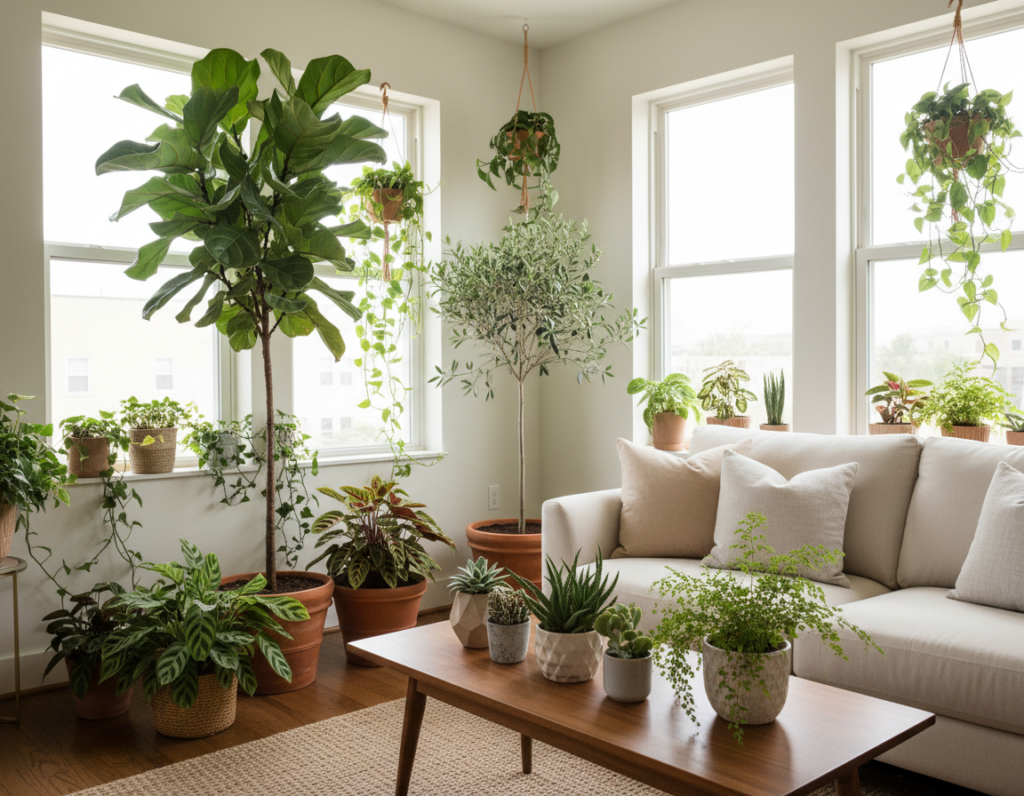
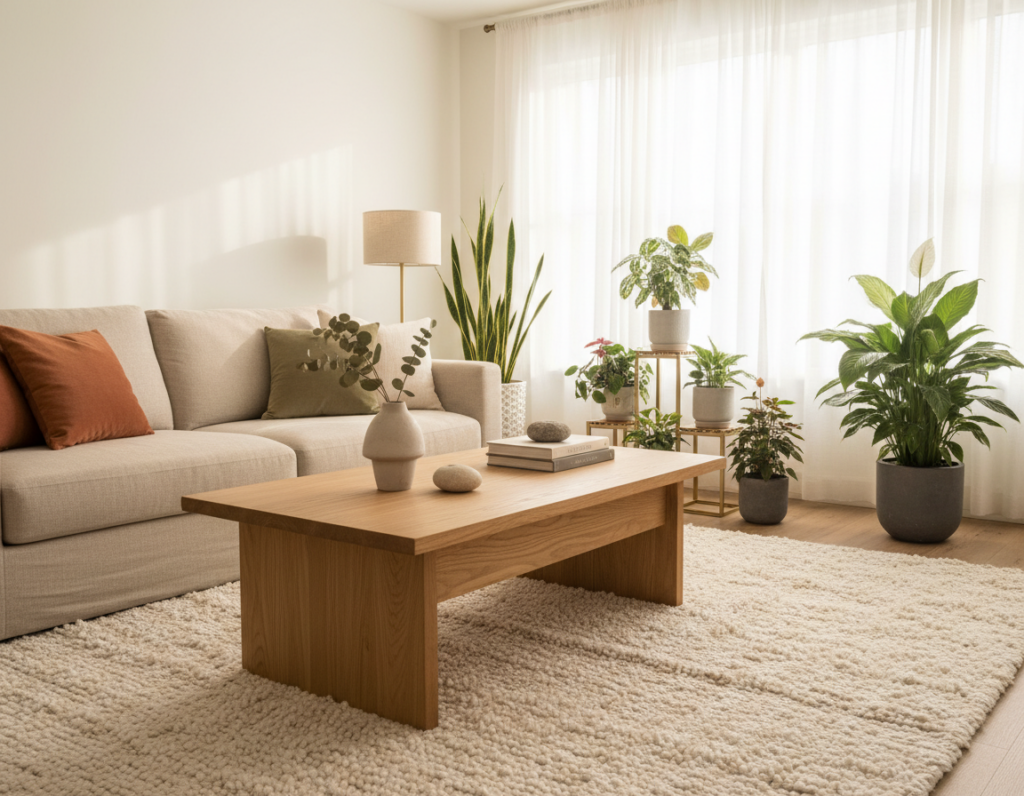
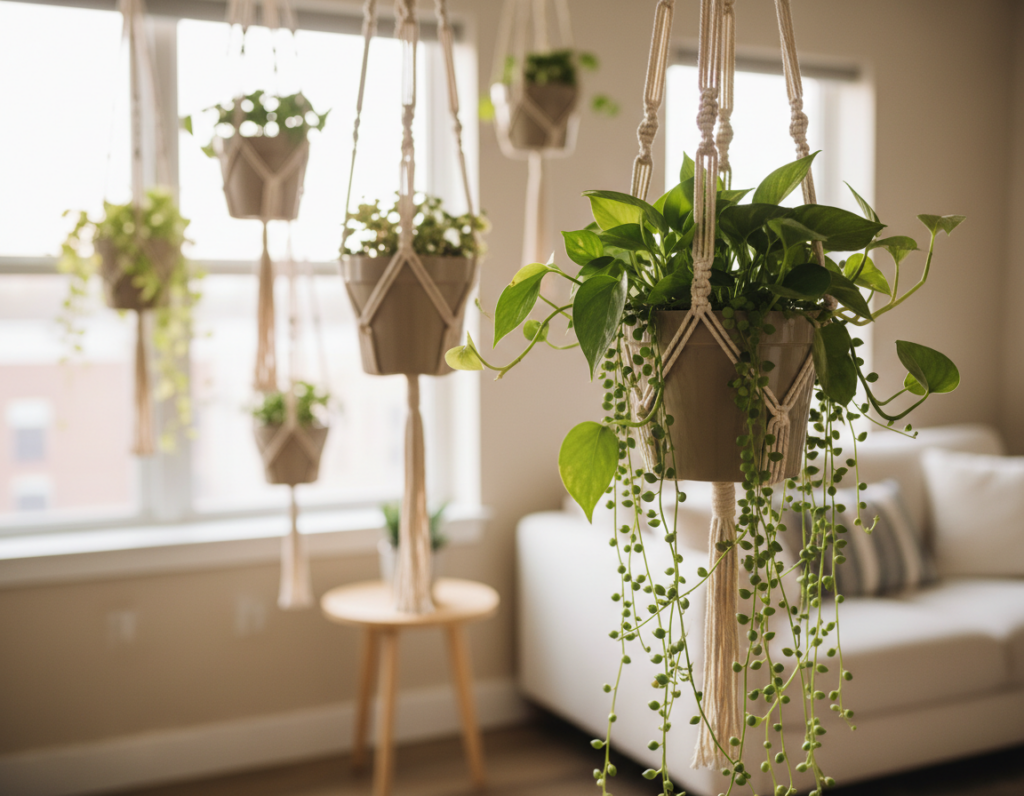
Well-placed greenery can change how a home feels. A single plant in the right spot makes a room feel warmer and more welcoming. It also helps people connect with nature in small urban spaces.
Anne Balogh notes that anyone can master indoor gardening by choosing the right species. She advises matching each plant to its microenvironment. That simple step prevents frustration and boosts success.
Every houseplant needs a specific amount of light to thrive. Understanding light levels is a basic but vital concept for beginners. With that knowledge, integrating greenery becomes easier and more rewarding.
Practical tips and design ideas appear in Balogh’s free weekly newsletter. Readers receive clear guidance on selecting the ideal plants for their living spaces and on transforming a room with calm, curated greenery.
Understanding Your Apartment Microenvironments
Light, airflow, and humidity create small zones within a home that affect how well a plant will grow.
Light is the most visible factor. Assessing window direction is the first step to know what each room offers. North-facing windows usually provide low light, while east-facing windows deliver medium or bright indirect light that suits many species.
Next, check airflow. Identify drafty corners near a window or air-conditioning vent. Cold drafts can stress sensitive plants such as the Chinese evergreen and slow their growth.
Humidity matters too. A dry living room will need different choices than a steamy bathroom. Understanding these environmental conditions helps someone match the right plant to each microenvironment and improve long-term success.
- Assess window direction to map light levels.
- Avoid drafty corners for delicate species.
- Maintain suitable humidity to support healthy growth.
For a quick guide to room types and suitable spots, see this short reference on eligible environments.
The Best Apartment Plants for Decor
A well-sized houseplant can transform an empty corner into an elegant focal point. Choosing a specimen that matches room scale avoids clutter and highlights a space.
Pothos is one of the easiest houseplants to grow. It offers a wide variety of foliage colors and patterns, and some vines can trail up to ten feet when given support.
Size matters. Measure potential spots so a trailing vine or tall specimen fits without crowding furniture. Good plant care keeps leaves glossy and vibrant year-round.
- Match growth habit to available space to prevent overgrowth.
- Pick a houseplant with foliage that complements your room’s palette.
- Follow simple plant care routines: light, water, and occasional feeding.
A single, well-chosen specimen adds natural beauty and texture, making any home feel more inviting.
Selecting Plants Based on Light Requirements
Measure the distance from a south- or west-facing window to find bright indirect light. Areas three to five feet from these windows usually deliver the right amount of filtered sunlight.
Choosing a plant whose light needs match that spot is essential. When light and species align, growth is steady and problems drop.
Monitor the soil and only add water when the top inch feels dry. This prevents root rot and keeps the specimen vigorous.
- Select plants by their specified light requirements to improve survival.
- Keep size proportional to the window area to avoid scorching or shade stress.
- Understand room conditions so a sun-loving houseplant doesn’t end up in a dark corner.
- For a short reference on suitable indoor species, see this guide on popular houseplants.
Low Light Solutions for Interior Walls
Even rooms with scarce daylight can benefit from hardy, slow-growing specimens. Interior walls that receive little light need resilient options that demand minimal upkeep.
Cast Iron Plant Benefits
The cast iron plant is a reliable choice for low light areas. It grows extremely slowly and can take years to reach full height, so it lasts as a steady green element on a wall.
Another excellent option is the chinese evergreen with dark green foliage. Dark green varieties tolerate dimmer light than variegated types and hold up well on interior walls.
- The cast iron plant resists neglect and asks little in the way of water or fuss.
- Chinese evergreen selections with dark green leaves thrive with minimal soil care.
- Both species can live many years with simple attention and occasional feeding.
- Avoid overwatering; soil stays moist longer in dim spots, so water sparingly.
- Lush leaves add life to blank walls and create a lasting natural accent.
Bright Indirect Light for Thriving Foliage
Placing a plant where it receives bright indirect rays encourages fuller foliage and stronger stems. This light level suits many tropical species and supports steady growth without sunburn.
Pothos Versatility
Pothos vines can reach 6 to 10 feet long. They adapt to hanging baskets or clipped supports and tolerate a range of light conditions, though bright indirect light promotes faster growth.
Philodendron Growth Habits
Philodendrons often climb or trail and may grow up to 8 feet. They prefer evenly moist soil and regular watering during the growing season to keep green leaves full and healthy.
Monstera Aesthetics
Monstera deliciosa brings bold, holed leaves that add a tropical feel. Size can become large, so he or she should choose placement that allows roomy stems and steady sunlight.
- Bright indirect light is ideal for foliage-rich species.
- Consistent watering and well-draining soil maintain lush green leaves.
- Rubber plant varieties can be pruned at the central stem to control size and encourage side branches.
Humidity Loving Plants for Bathrooms
Bathrooms that steam after a shower offer an ideal microclimate for many humidity-loving specimens. The moist air helps tender foliage stay supple and bright.
Bird’s nest ferns thrive in moderate humidity and prefer temperatures near 70°F. They enjoy the warmth and mist found in a busy bathroom and show broad, wavy leaves that soften tile and grout.
Prayer plant (calathea) prefers evenly moist soil and high humidity. Its decorative leaves fold at night, adding motion and interest to a small room.
“Consistent soil moisture is vital; these species dislike both soggy conditions and complete drying.”
- Place specimens where they get filtered light to avoid leaf burn.
- Keep a steady water routine to preserve even moisture in the soil.
- Create a small green corner and let humidity do the heavy lifting.
Tip: A bathroom can become a soothing, green sanctuary when humidity-loving houseplant choices match the space and care routine.
Trailing Varieties for Hanging Baskets
Trailing greenery brings motion and soft texture when hung from high shelves or ceiling hooks.
Spider plant is a classic choice for a hanging basket. It produces baby spiders on long stems and helps cleanse indoor air.
Other trailing varieties, such as tradescantia, can reach about 36 inches. They suit high shelves and add vertical interest without bulky pots.
Light matters: these types prefer bright indirect light to keep leaves vivid and growth steady.
Watering and soil care are simple. Keep the soil evenly moist but never soggy. Check drainage and avoid standing water to prevent root rot.
“Choose the right basket size so roots have room to grow; crowded roots limit vigor.”
- Pick a basket sized to allow healthy root development and longer growth.
- Place hanging specimens where they receive bright indirect light most days.
- Regularly check soil moisture and adjust watering to seasonal needs.
Hardy Succulents for Minimalist Care
Durable succulents fit into compact living areas and reward simple attention with steady growth. These selections suit readers who want low-effort greenery that still looks intentional.
Snake Plant Resilience
The snake plant is famed for tolerance. It stores water in its leaves and survives in low light. Busy people can skip frequent watering and still keep the specimen healthy.
Jade Plant Propagation
Jade plants can live many years and propagate easily from leaf or stem cuttings. Place cuttings in well-draining soil and wait for roots to form. Occasional watering and bright, indirect light promote steady growth.
“Allow soil to dry completely between waterings to avoid root rot.”
- Minimal watering: dry soil between sessions.
- Durable foliage: thick stems and leaves withstand neglect.
- Potential blooms: proper care can encourage subtle flowers over years.
Air Purifying Plants for Better Breathing
Certain green specimens quietly remove pollutants and make a home feel fresher and healthier.
Air purifying plants serve a clear function: they filter common indoor toxins like formaldehyde and benzene. Spider and snake selections are proven examples that work while needing modest care.
Air plants (Tillandsia) are unique because they need no soil. They absorb moisture and nutrients through their leaves and fit into compact spaces where sunlight is limited.
- Place specimens in bright indirect light so they can power cleansing processes.
- Keep a steady water routine; some types need misting while others take brief soaks.
- Increase the size of the collection to raise the overall air benefit in the home.
Choose a mix of houseplants and Tillandsia to balance visual interest and function. With simple care—proper light, occasional water, and minimal soil upkeep—these green allies improve indoor air with subtle, measurable gains.
Managing Water and Soil Health
Proper watering rhythm and a loose, well-draining mix keep a houseplant healthy year after year.
Overwatering is the most common mistake. Always allow the top inch of soil to dry before you add more water. A quick finger test each week tells whether the root zone needs moisture or can wait.
Use a well-draining potting mix and containers with drainage holes. This prevents standing water and reduces the risk of root rot. Healthy soil also supplies nutrients that help a plant develop strong roots and vibrant leaves.
- Check soil moisture every week to guide your watering schedule.
- Choose mixes that let excess water pass through so plants breathe at the roots.
- Adopt dry waterings between sessions to discourage fungal issues after regular waterings.
“Let the surface dry; most indoor species recover faster from brief drought than from constant wet roots.”
Pruning Techniques for Controlled Growth
Intentional cuts at the right nodes steer growth into side branches and denser foliage.
When trimming a rubber plant, remove the top at the central stem to encourage side shoots. This keeps overall size compact without weakening the specimen.
With a parlor palm, avoid cutting healthy green fronds. Trim only lower fronds that turn brown. Removing healthy fronds can halt new growth and reduce vigor.
Use clean, sharp shears to prevent infection and speed healing. After pruning, check soil moisture and hold off on heavy water for a day so cuts seal properly.
- Remove dead or yellowing leaves to redirect energy to new shoots.
- Learn each species’ habit before cutting to protect overall structure.
- Prune regularly to keep your houseplant neat and within its designated space.
“Pruning is an essential technique for controlling growth and maintaining a manageable size.”
Troubleshooting Common Houseplant Issues
A small change in leaf color or texture often signals a larger care problem. Regular checks make diagnosis quicker and treatment easier. Quick action protects overall growth and keeps other specimens healthy.
Identifying Pest Infestations
Look closely at the underside of leaves and along stems. Webbing, tiny moving specks, or sticky residue are classic signs of pests on a houseplant.
If pests appear, isolate the affected specimen immediately to prevent spread among houseplants. Wipe leaves with a gentle soap solution, and consider a targeted treatment if the infestation continues.
- Scan weekly to catch problems early and spot changes in soil or air conditions.
- Wilted leaves usually mean the plant needs water; yellowing often points to overwatering or poor drainage.
- Adjust sunlight and use dry waterings when appropriate to avoid root rot and encourage steady growth.
“Routine inspection and timely action are the best defenses against common houseplant issues.”
Seasonal Care Adjustments
Seasonal shifts in sunlight and temperature require small but deliberate changes to indoor care routines in the home.
During winter, growth slows and the soil holds moisture longer. Reduce water and ease back on feeding; most houseplant fertilizing stops until spring.
Move a plant closer to a window to capture more indirect light and sunlight on short days. Rotate specimens periodically so foliage receives even exposure.
Keep leaves clean. Dusting boosts light absorption and helps a specimen make the most of weaker winter rays.
- Adjust watering cadence to match slower growth.
- Pause monthly feeding from late fall through winter.
- Optimize bright indirect spots by shifting pots nearer windows.
“A seasonal routine keeps plants healthy and ready to resume active growth when spring returns.”
Conclusion
, A short weekly check of window exposure and soil moisture helps avoid common care mistakes.
Simple steps—inspect light, test soil, and adjust water—support steady growth and bright green leaves. A spider plant, pothos, or snake plant can fit many room conditions and reward modest attention.
Choose a prayer plant or chinese evergreen when humidity or dark green foliage matters. Rotate pots near a window and trim stems to keep shape and health.
Final choice: pick a variety that matches light and soil needs, then follow a regular week of plant care. Sign up for the newsletter to receive ongoing tips and design ideas that protect air quality and extend beauty.