Residents in Manhattan luxury buildings such as Crystal Green often face cabin fever during the harsh season. They seek simple ways to lift mood and brighten rooms when outdoor gardens go dormant.
Adding flowering greenery brings color and life into compact living spaces. The right choices transform a condo into a calm, lush sanctuary.
This guide highlights the best winter indoor plants for apartments and outlines essential care tips to keep them thriving. It covers resilient species, light and watering basics, and easy routines that fit busy city life.
Readers will learn how to pick hardy varieties that handle low light, dry air, and short daylight hours. Expert tips help maintain blooms and vigor until the spring sun returns to the city.
Key takeaways: Choose resilient species, follow simple care routines, and use targeted placement to maximize light and comfort.
Assessing Your Apartment Environment
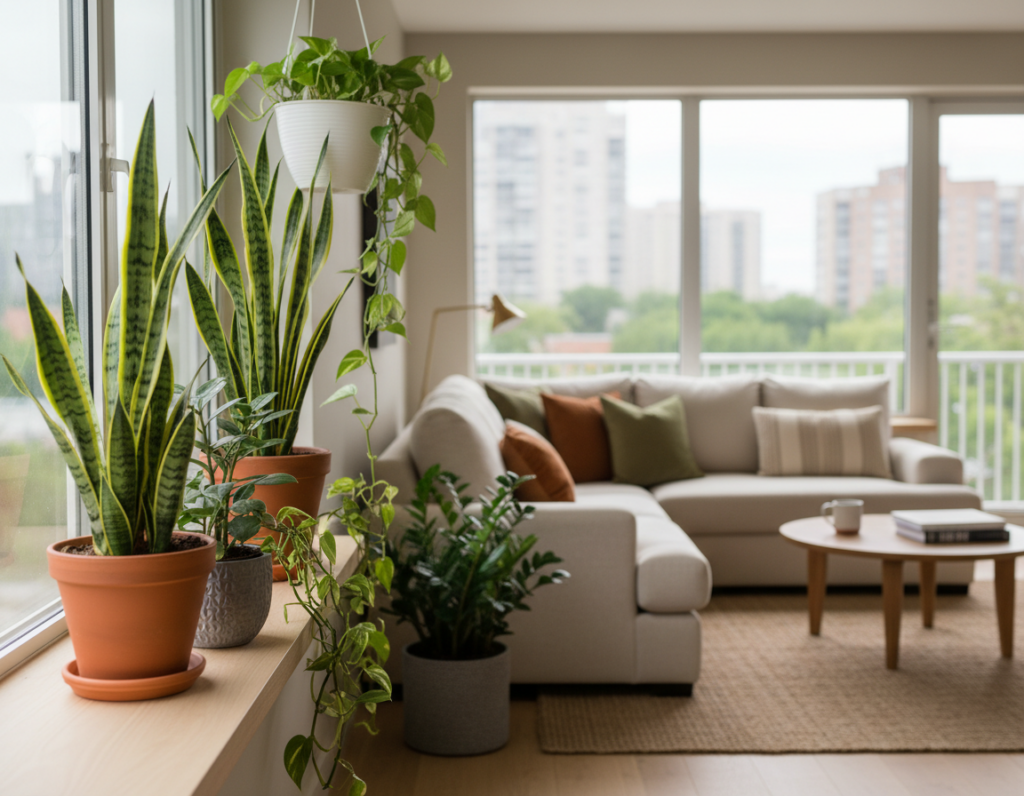
Start by mapping daylight, air flow, and surfaces to keep foliage healthy and floors intact. A quick audit helps match each pot with the right corner, window, or counter. Large windows in buildings like Crystal Green and The Encore can support floor specimens or hanging baskets near strong sun exposure.
Choosing the Right Potting Location
Consider orientation — East- or West-facing units receive different light patterns. Small house plants add a pop of color on vanities and countertops. Keep pots away from drafty windows and direct heat sources to maintain steady temperatures. Use well-draining soil and pots with good drainage holes to protect roots and prevent overwatering.
Preventing Floor Damage
Always place a saucer under any pot with drainage holes. Clay pots can form condensation; check beneath them often. When you water, move the pot so the floor can dry thoroughly. These simple steps protect hardwood and tile while supporting a healthy home garden.
Understanding Light Exposure for Winter Indoor Plants for Apartments
A quick audit of window exposure and reflected light makes it easier to match plant needs to each room.
Low light means shady corners with little direct sun. Reflected light bounces off walls and bright surfaces and can be enough for many species.
Direct light comes through clear panes. Set pots back about 6 inches so leaves do not burn. Filtered light, through sheer curtains, is ideal for species like Ficus and English ivy.
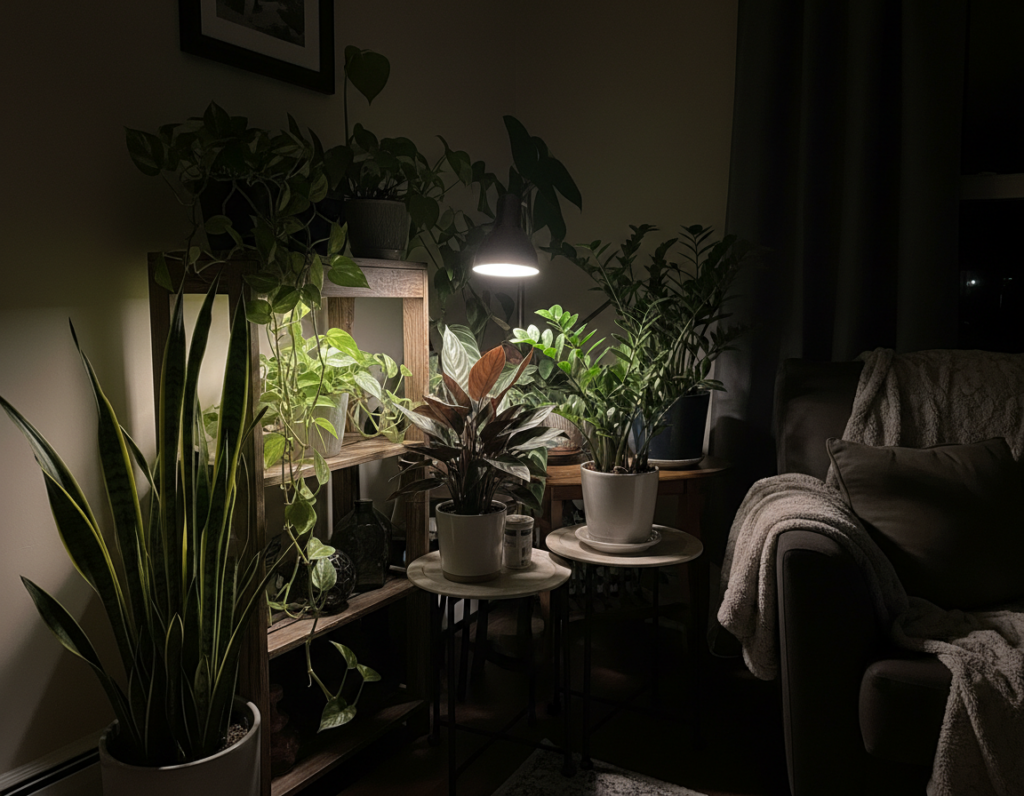
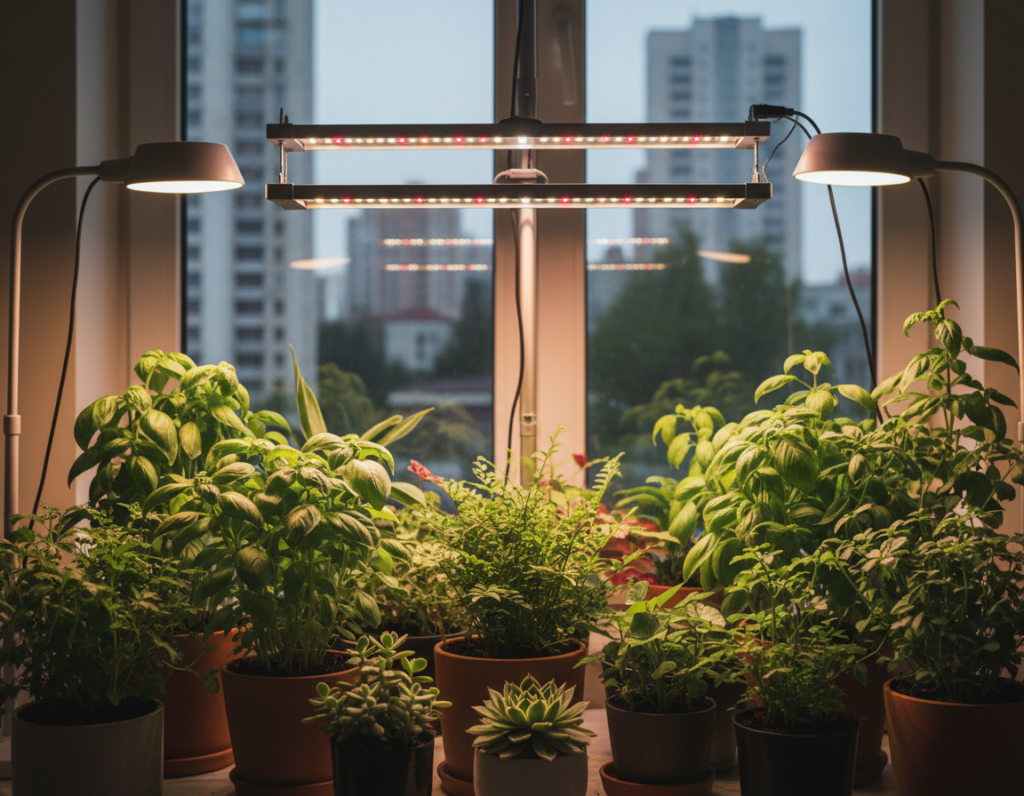
Shorter days reduce natural sun, so consider a grow light when daylight is scarce. A simple timer simulates consistent light cycles and saves time.
Monitor humidity and temperatures; they shape how a plant transpires and grows. Improving stagnant air by choosing air-filtering varieties also boosts indoor air quality.
- Observe light at different times of day to find the best space for each pot.
- Adjust placement and watering schedules with seasonal conditions.
- Use a grow light to bridge cloudy days and brief sun windows.
Experience from watching a plant over several days reveals the ideal spot and routine for long-term success.
Selecting Hardy Species for Low Light Conditions
Choose species known to tolerate low light and dry air to keep green leaves healthy with minimal effort. These options fit tight spaces and require modest routines. They also offer reliable color and texture during the darker months.
The Resilience of the Snake Plant
Snake plant thrives in dim rooms and tolerates forced heat. It converts CO2 into oxygen at night, so it suits bedrooms well.
Benefits of the ZZ Plant
The ZZ plant has waxy green leaves and rhizomes that store water. This adaptation helps it survive long droughts and low light conditions.
A single, well-draining pot and sparse water will support steady growth.
Adding Color with Peace Lilies
Peace lilies bring white blooms and act as a living humidity gauge. They tend to droop when they need water, making care intuitive.
Group these house plants to raise humidity and use a grow light if a room lacks sun.
“Pick durable varieties that match your light and air conditions; they reward simple, consistent care.”
- Use porous soil and drainage to prevent root rot.
- Place specimens where reflected light reaches them.
- Water sparingly and check humidity over several days.
Managing Humidity and Air Quality
When radiators run, indoor humidity can plunge; managing moisture helps houseplants and people feel better.
Central heating can drop relative humidity below 20%, drier than many deserts. This dry air stresses a plant and causes brittle leaves that brown at the edges.
Group plants together so they share moisture through transpiration. A clustered arrangement raises local humidity without gadgets.
Use simple tools: a small humidifier, a pebble tray, or a room-safe vaporizer. These keep levels near 40–60%, the sweet spot for many tropical species.
Rubber trees also help. They filter toxins like formaldehyde and improve air quality in a modern living room while adding moisture to the room.
Monitor conditions with an inexpensive hygrometer. Keeping steady humidity protects roots, prevents leaf damage, and makes a home feel fresher through the season.
- Target 40–60% relative humidity.
- Cluster pots and use trays to boost moisture.
- Check a hygrometer weekly to maintain balance.
Essential Watering Techniques for Dormant Months
Adjusting watering habits during colder months prevents soggy soil and stressed roots. Slow growth changes how much water a plant needs, so routines must change too.
Mastering the Finger Test
The finger test is simple: push one to two inches into the soil. If it feels dry, give a small amount of water. If it is damp, wait a few more days.
Most plant deaths this season result from overwatering. Ensure each pot has drainage holes so excess water can escape. Proper drainage protects roots and prevents a waterlogged garden in miniature.
- Check soil moisture before each watering; time between waterings will increase.
- Match water amounts to slower growth and lower light.
- Watch humidity—dry air slows soil drying and affects how often to water.
Consistency matters. A steady care routine that includes the finger test and proper drainage keeps houseplants alive until the spring light returns. Avoid heavy feeding while growth is minimal to protect roots and promote steady recovery.
Protecting Your Greenery from Drafts and Heat Sources
Positioning matters: even a small buffer stops rapid temperature swings near windows.
Keep each plant away from direct heater flow, radiators, and oven vents. Hot air dries leaves and soil, and that forces more frequent watering. Cold drafts near glass can chill roots and damage growth.
- Place pots a few feet from radiators and kitchen appliances to protect humidity and leaves.
- Use a tray or low shelf as a buffer between pots and cold windows to shield roots.
- Consider moving sensitive plants to a stable spot for several days during extreme temperatures.
- When a draft is unavoidable, use a grow light to replace lost natural light and support steady growth.
One practical tip: the snake plant tolerates brief drafts near windows better than many species, so it can act as a resilient option in tricky spots.
“Consistent monitoring of soil moisture, temperatures, and humidity prevents shock and keeps greenery healthy.”
Regular checks every few days keep conditions stable. Small adjustments to placement and care will protect roots and leaves throughout the winter months.
Choosing Pet-Friendly Varieties
Choosing greenery that won’t harm curious cats or dogs makes a home more relaxed. Pet-safe options let owners add life without risk.
The Versatility of Spider Plants
Spider plant is non-toxic to both cats and dogs and adapts well to cooler apartment conditions. It sends out little pups that celebrate growth and make propagation simple.
Its arching leaves add elegance while the species tolerates varied light. Proper care means keeping soil evenly moist but never soggy to avoid root issues.
- Safe around pets and easy to propagate.
- Thrives with modest attention and cooler temps.
- Watch pups to expand a collection or share cuttings.
“Always verify toxicity and choose species that match household needs.”
For a curated list of safe options, consult a reliable guide like pet-friendly houseplants.
Troubleshooting Common Winter Growth Issues
Noticing limp or discolored foliage often points to three common causes: light, water, or humidity. Start by checking where the pot sits and how much direct sun reaches it. If a specimen looks leggy, it is likely reaching for more light; a grow light can correct this.
Brown tips on leaves usually signal low humidity or inconsistent watering. Increase local moisture by grouping houseplants or using a pebble tray. Drooping in snake plant or peace lily often means they need water; lift the pot to feel soil weight before watering.
Yellowing leaves often point to overwatering or poor drainage. Check that soil drains and roots are not sitting in water. If growth stalls during colder months, the specimen may be dormant; avoid extra fertilizer until spring.
“Regular observation — checking soil moisture, light access, and temperature — prevents small issues from becoming serious.”
- Inspect plants every few days for pests or disease.
- Maintain steady temperatures and humidity to reduce stress.
- Keep a simple log of light and watering to spot patterns.
Conclusion
A thoughtful mix of hardy species and basic care creates a dependable mini garden in tight urban space.
Bringing nature into the home improves air quality and lifts mood. With simple routines, a few well-chosen houseplants reward any living room with color and calm.
Be patient through slow growth days and follow practical gardening tips. New and seasoned stewards will enjoy the quiet beauty and flowering touches that make a place feel alive.
For a ready list and extra care notes, see the best houseplants for your apartment home guide to expand an accessible indoor gardening experience.