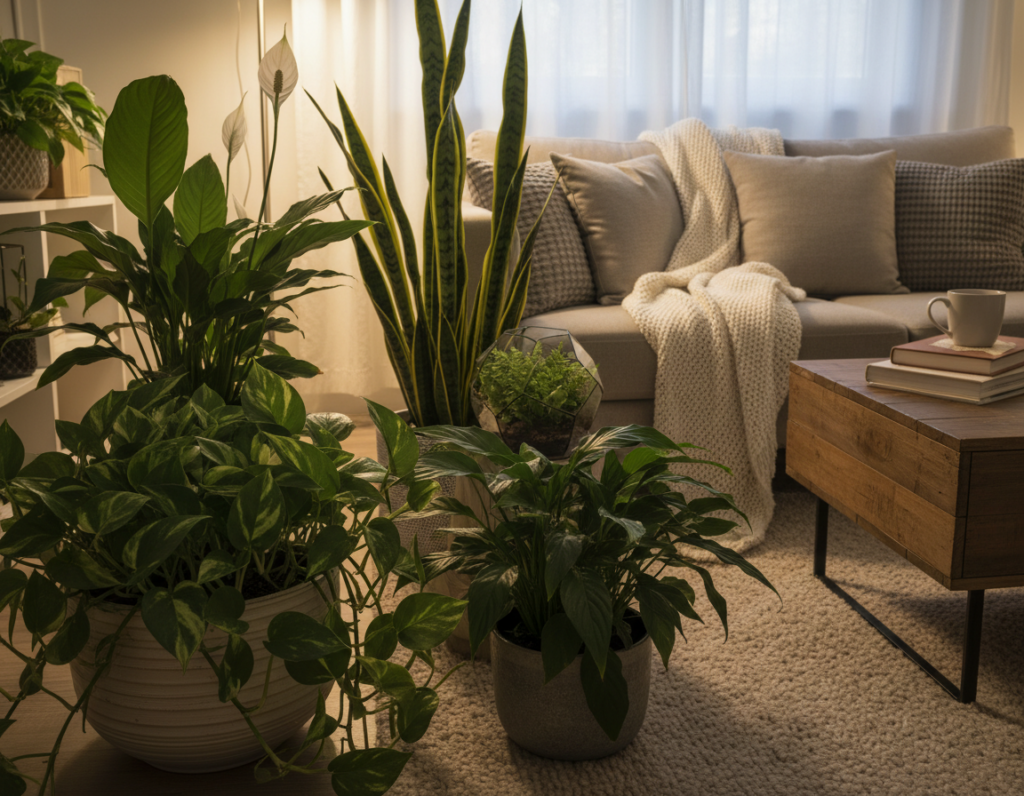
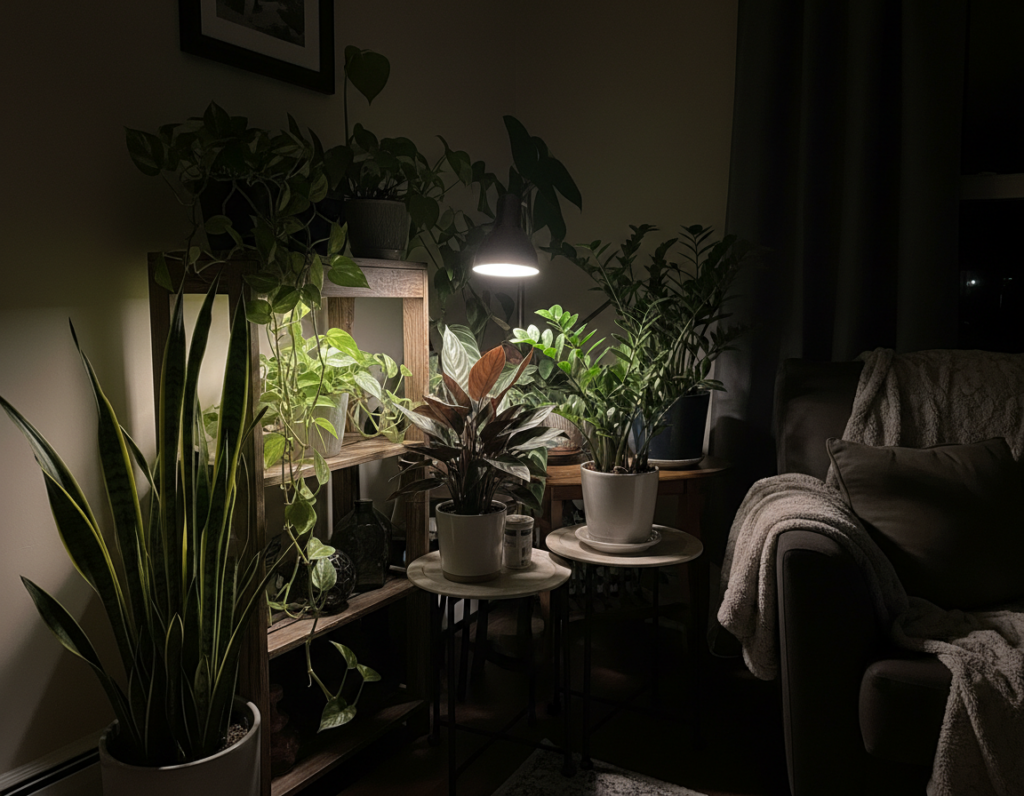
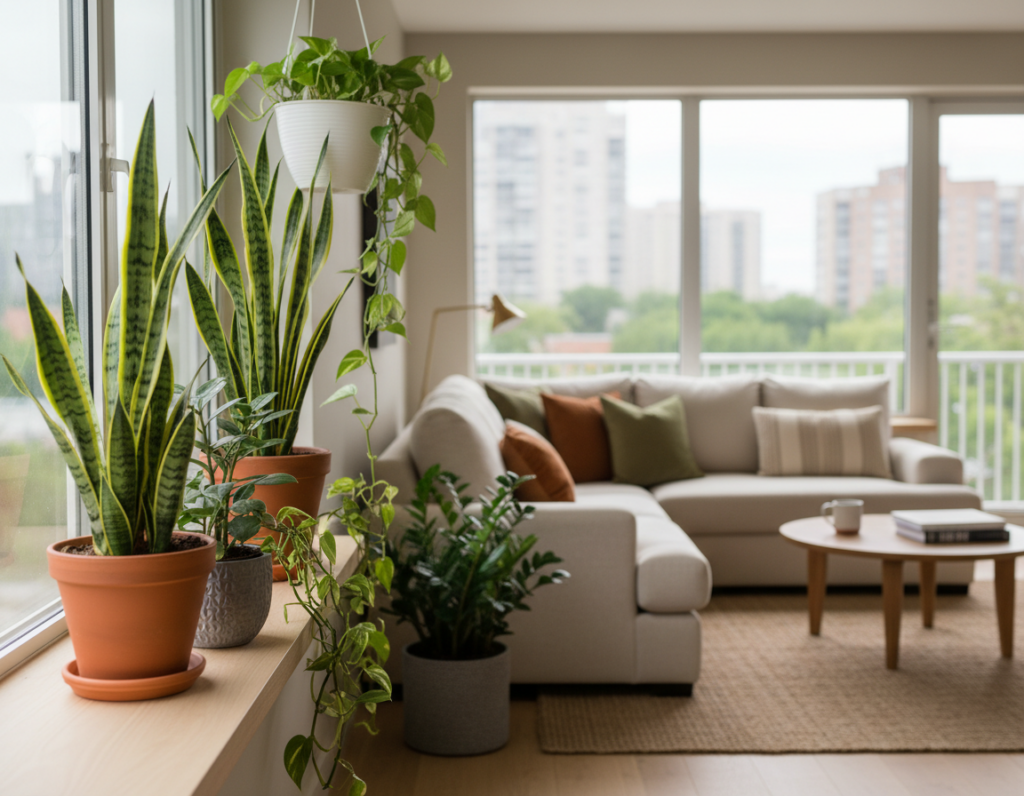
In 2026, designers treat indoor green life like living sculpture. They add texture, movement, and wellness to a home so a living room can feel like a calm retreat.
This approach shows that a well-placed plant can improve air quality and the overall look of an interior. The right choice brings light and life to a room and makes the space feel more connected to nature.
Design teams now favor curated groupings over clutter. Choosing the best indoor plant is a considered part of design, not an afterthought. This guide will show practical ways to select and arrange greenery so small living areas feel intentional, peaceful, and refreshed.
The Philosophy of Modern Apartment Plants Decor
Contemporary interiors use houseplants to do more than look nice — they change how people feel at home. Research shows close contact with lush green life can lower stress and improve sleep quality.
The guiding idea is that every plant should serve a clear purpose, whether for air quality or for visual style. Designers place greenery so it supports daily life, not just fills space.
- Function and form: Choose a plant for toxin filtering or to frame a living room corner.
- Display strategies: Use hanging elements or decorative shelves to keep houseplants visible without crowding the interior.
- Curated groups: Grouping specimens creates a cohesive look that makes homes feel intentional and calm.
The result is simple: the right selection turns each room into a curated green sanctuary that supports health and happiness.
Selecting Sculptural Specimens for Architectural Impact
Pick bold, structural specimens that deliver instant architectural impact in any space. A single statement plant can act like furniture: it anchors sightlines and frames circulation.
Bird of Paradise for Tropical Drama
The Bird of Paradise (Strelitzia) is a best indoor choice for creating tropical drama. Its massive silhouette anchors a living room and adds a theatrical touch without clutter.
Ficus Varieties as Living Sculptures
In 2026, the Year of the Ficus, designers favor specimens like the Burgundy Rubber Tree that can reach impressive heights indoors.
- Burgundy Rubber Tree: Can grow up to 25 feet and serves as a primary sculptural element.
- Ficus Alii: Offers long, elegant leaves and thrives in bright indirect light, ideal for a refined home.
- Placement tips: Consider how leaves meet furniture; use sturdy shelves or hanging displays to add vertical interest.
“A large sculptural plant can transform an empty space into a focal point, providing a touch of nature that feels both grand and refined.”
For variety and balance, they recommend the best indoor options that move a room toward a minimalist, high-impact design.
Minimalist Greenery for Low-Maintenance Living
A trio of low-effort green choices can bring clean lines and calm to busy homes.
Minimalist greenery focuses on hardy specimens that add structure without fuss. These selections suit small spaces and offer real benefits for air and mood.
Snake and ZZ Plants for Clean Lines
Snake plant (Sansevieria) is prized for vertical form and gentle air-filtering action. It creates a sculptural presence in a living room corner and tolerates low care.
The ZZ plant thrives in low light and needs very little water. For busy homes, it is a reliable way to keep green foliage without daily attention.
A classic spider plant works well on high shelves or in hanging planters. It spreads visual texture and is forgiving for beginners.
- Choose hardy species to keep a home lush with minimal upkeep.
- Place tall specimens in corners and smaller houseplants on shelves or hanging to save floor space.
- For more easy low-maintenance options, see this guide: easy low-maintenance options.
Enhancing Texture and Visual Depth
Designers favor tactile leaves and layered foliage to create depth in a living space. Texture now outweighs blooms in many schemes, so ribbed and velvety foliage is chosen to give a room more visual weight.
The Alocasia ‘Silver Dragon’ is singled out for its metallic-looking, highly textured leaves. This plant brings a sculptural edge while fitting refined 2026 design sensibilities.
By grouping specimens with varied leaf patterns and shapes, they create a rich, layered effect. Combining different sizes and color tones, such as deep burgundy from some rubber varieties, lets plants add contrast and warmth to a living room.
Use shelves and hanging displays to stage foliage at multiple heights. This approach makes the space feel immersive and helps light reach varied specimens.
- Mix leaf textures to avoid a flat look and to enhance interior style.
- Group intentionally so every plant contributes to the home’s harmony.
- Stage vertically with shelves or hanging displays to expand visual space.
Strategic Placement for Wellness Corners
Clustering three to five plants of varied heights creates a microclimate that helps your space breathe. This arrangement raises local humidity, which helps specimens thrive and reduces dust in a living room spot.
Place the grouping where it gets the right amount of light for the chosen species. Doing so keeps care simple and supports long-term plant health.
Use shelves or hanging holders to stage foliage at several levels. Layering makes the room feel lush without taking up valuable floor area.
- Functional grouping: A dedicated wellness spot doubles as a quiet reading or meditation nook and boosts air quality.
- Shared moisture: Nearby specimens raise humidity together, helping plants thrive with less fuss.
- Low maintenance: Strategic placement prevents plants from becoming chores and keeps the home calm and healthy.
Optimizing Light and Humidity for Indoor Growth
A home’s microclimate — how bright and how humid it is — shapes every plant’s health. Small changes to light and air moisture make a big difference for plant care.
The Soltech Aspect Gen 2™ Pendant is a professional lightscaping solution that helps light-hungry plants thrive even in windowless corners of a home. Timers recreate natural day cycles so foliage receives consistent energy each day.
Managing Air Moisture
Humidity affects leaves and transpiration. Proper humidity helps foliage stay glossy and reduces dust. Use a humidifier or group specimens to raise local air moisture and support plant life.
Understanding Light Levels
Know whether a room gets bright indirect light or shaded conditions. Place low-light species on shelves or in hanging holders and reserve direct sun spots for sun-loving varieties.
- Water and air balance: Correct watering plus humidity control prevents root rot.
- Consistency: Timed grow lights and steady moisture help plants thrive year-round.
- Placement: Optimize shelves and hanging displays to match light levels and airflow.
“Providing the right amount of light is the single most important factor for indoor growth.”
Creative Display Ideas for Small Spaces
Small-scale displays turn tight corners into focal points that feel intentional and serene. Use clever staging to make limited square footage read as curated and calm.
Hanging planters are the most efficient way to save floor area. They free up furniture and let greenery float above seating or a desk.
- Air plants and glass vessels: With more than 500 species of air plants available, glass bowls or terrariums showcase variety without bulk.
- Repurposed furniture: A vintage stool or narrow shelf works as a display stage, adding a unique touch and extra shelf space.
- High shelves and spider plant: Place a spider plant on a top shelf or hanging holder to add trailing texture that draws the eye up.
- Mix sizes and shapes: Combine tall and small specimens to create depth. This mix makes a room feel larger and more layered.
- Match light to species: Whether a spot gets bright indirect light or dimmer conditions, select indoor plants that suit the setting to reduce maintenance.
These ideas show that you do not need a large room to enjoy greenery. Even a small spot can change the look and mood of a home with the right scale and staging.
Essential Care Practices for Thriving Foliage
Small daily habits have an outsized effect on how healthy indoor foliage looks and performs. Regular checks of soil moisture prevent overwatering and keep roots healthy.
Water and humidity: Some species, like the Red Prayer plant, need steady moisture and occasional misting to keep their red veins vivid. Grouping specimens can raise local humidity and benefit neighboring plants in the same living room space.
Light and placement: Even low-light plants benefit from periodic bright indirect light. Match each plant to the correct light levels and rotate containers on shelves or in hanging baskets so leaves get even exposure.
Leaf care matters. Wiping leaves removes dust, improves air quality, and helps the plant breathe. Always confirm proper drainage in pots to prevent water from pooling and causing root rot.
- Check soil moisture every few days to guide watering.
- Adjust light and placement for size and color changes.
- Keep a simple routine so plant care becomes second nature.
Conclusion
,Thoughtful green choices turn an ordinary room into a restorative retreat. Good design balances function and form so every choice supports daily comfort and calm.
Successful decor treats greenery as purposeful elements of a home. A single statement specimen or a small grouping of indoor plants can define sightlines and add quiet energy to life.
Begin with one high-impact option, such as a snake plant, and test placement on shelves or the floor. With intentional care, these living elements will lift the room and make the space feel like a true sanctuary.