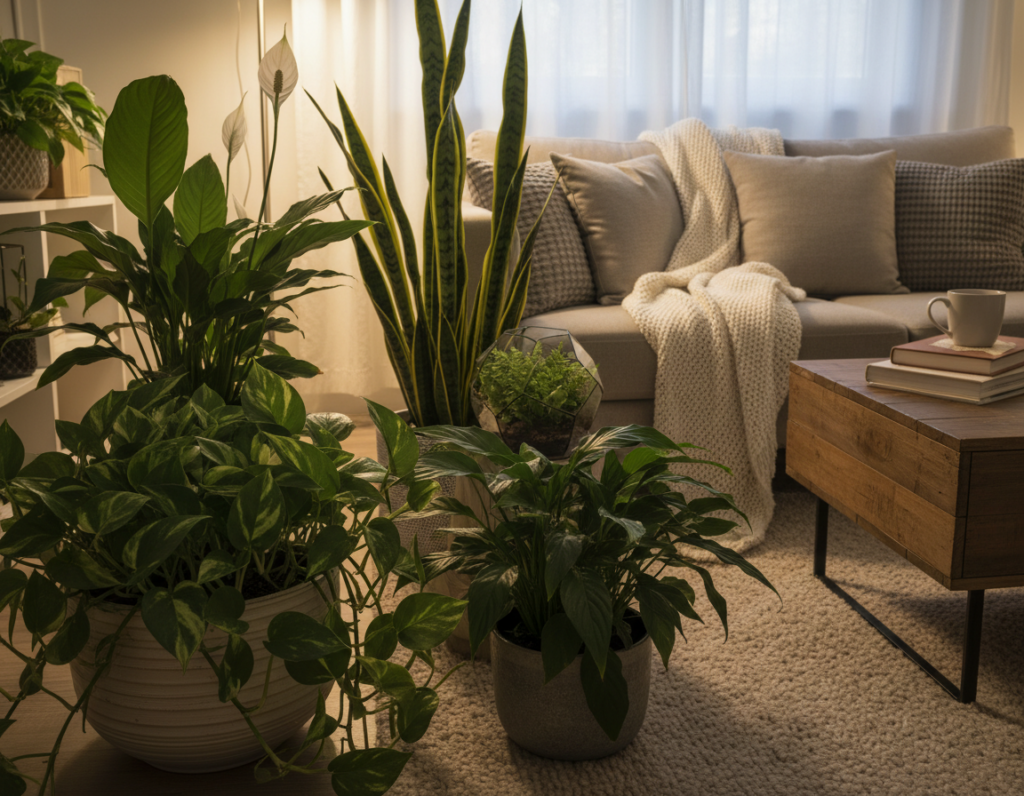
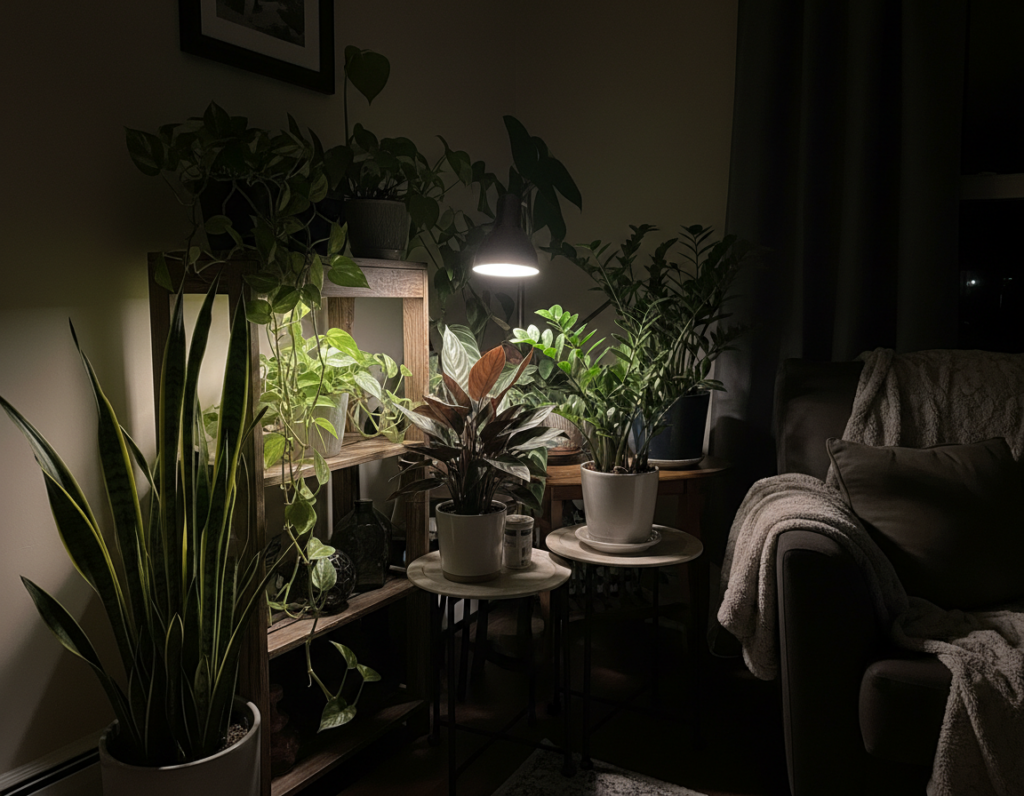
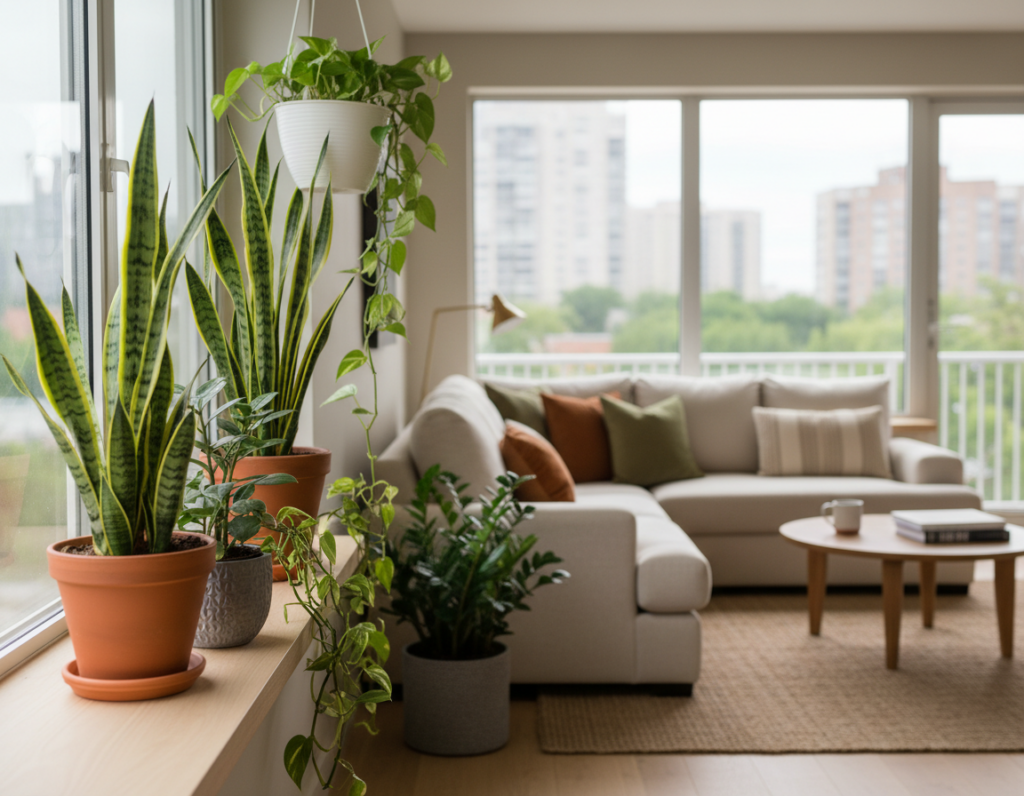
Busy lives need simple solutions. Many who juggle work and family still want a green, welcoming home. By choosing the right indoor plants, they can bring nature inside with minimal upkeep.
Recent trends show several resilient houseplants thrive on occasional attention. These selections tolerate irregular watering and low light. That makes them a good fit for people with unpredictable schedules.
This short guide highlights which plant species perform well in common living spaces. It explains basic needs and how to position each specimen so the room stays vibrant. Readers will find practical tips to start a low-maintenance indoor garden today.
Why Easy Care Apartment Plants Are Perfect for Busy Lifestyles
For professionals short on time, selecting resilient greenery transforms a room with minimal fuss. Choosing easy care apartment plants is a strategic move for anyone who values a calm, tidy home but has little time to spare.
These indoor plants are bred to handle uneven schedules and lower light. A single hardy plant can brighten a living area and improve air quality without taking much effort.
Many common houseplants are naturally forgiving. They tolerate missed waterings and brief trips away. That resilience makes it simple to design a green space that stays lively even when routines are hectic.
- Low maintenance: Less frequent watering and basic light needs.
- Adaptable: Thrives in a typical room or corner shelf.
- Reliable: Keeps the home inviting during busy weeks.
The Resilience of Snake Plants
Sansevieria excels at staying robust under a wide range of household conditions. This species is also known for its low fuss and its ability to keep alive when routines slip. As one of the most forgiving indoor plants, it suits those who want greenery without constant monitoring.
Understanding Rhizome Water Storage
The Sansevieria, also known as the snake plant, uses thick rhizomes to store water. These underground stems let the plant keep alive during dry spells and reduce how often you need to water.
The thick, sword-like leaves handle a wide range of light, including indirect sunlight, and tolerate varying temperatures. By letting the soil dry between waterings, the plant stays healthy and helps purify the air in your home.
- Versatile range: Survives low to bright, indirect sunlight and broad temperatures.
- Water strategy: Rhizomes store moisture so the plant keeps strong when forgotten.
- Simple plant care: Allow soil to dry; avoid overwatering to keep roots firm.
Why Pothos Is the Ultimate Beginner Vine
Pothos vines offer forgiving growth and fast results for newcomers to indoor greenery. This trailing species, Epipremnum spp., thrives in a wide range of household conditions and is ideal for busy routines.
Propagation Basics
Propagation is straightforward: snip a 4-6 inch stem with a node and place it in water until roots appear. Rooted cuttings transfer easily to soil or a decorative jar.
They tolerate temperatures between 60–85 °F and adapt to different light levels. Bright indirect sunlight is best; avoid direct sunlight that can scorch the leaves.
Managing Trailing Stems
These vines grow fast and can be trained to climb a pole or hang in a basket. Prune regularly to keep stems tidy and encourage bushier growth.
- Water: Let the soil dry slightly between waterings to prevent root rot.
- Light: Bright, indirect sunlight promotes variegation without burning leaves.
- Growth: Stems root easily in water, so new specimens form quickly.
Monstera Deliciosa for Tropical Flair
Monstera Deliciosa brings instant tropical drama with its bold, perforated leaves. The species is also known as the Swiss cheese plant and makes a striking focal point in any space.
These plants grow best between 60–85 °F. They need regular water to keep their vivid green color and sturdy structure, but they tolerate brief dry spells better than many tropicals.
As a climbing species, Monstera benefits from a moss pole that mimics its natural habitat. A support encourages the development of signature slits and larger, more dramatic foliage.
They adapt to a range of light levels, preferring bright, indirect light but avoiding harsh sun that can scorch leaves. Increased humidity helps, yet these plants remain forgiving in typical U.S. homes.
- Showcase: Use Monstera to define a living area or entryway.
- Structure: Provide a moss pole for climbing and fuller growth.
- Color: Regular watering and moderate humidity keep foliage vivid.
ZZ Plants and Their Drought Tolerance
The Zamioculcas zamiifolia thrives where regular watering does not, making it ideal for intermittent routines. This species, native southeast asia, stores moisture in thick rhizomes and glossy, waxy leaves so it can handle long gaps between waterings.
These houseplants also show remarkable drought tolerance. They often need irrigation only every 4–6 weeks and will stay healthy across a range of light conditions and indoor temperatures between 60–85 °F.
Proper care centers on letting the soil dry out completely before the next water. Ensuring soil dry between sessions prevents root rot, a common issue when moisture lingers.
- Adaptable: Tolerates low light to bright, indirect light.
- Low frequency watering: Survives long stretches of time without water.
- Reliable look: Plants keep a lush appearance even during dormancy.
Prayer Plants and Their Unique Daily Rhythms
Prayer plants bring subtle motion to a room by folding their leaves each evening. These rhythms make Calathea species an engaging choice for those who want interactive greenery without constant fuss.
Managing Humidity Needs
High humidity matters. Prayer plants need steady moisture in the air and soil to keep their patterned leaves vibrant.
They do best in a bathroom or kitchen room where humidity runs higher. Regular misting, a pebble tray, or a small humidifier helps maintain consistent levels.
Water regularly to keep the soil evenly moist but not waterlogged. These houseplants are sensitive to complete drying and show stress fast when soil goes bone dry.
- Light: Bright indirect sunlight preserves leaf color without scorching.
- Placement: Choose a spot with filtered light and stable humidity.
- Rhythm: Their nightly folding adds a lively, changing element to indoor décor.
“Prayer plants offer both pattern and motion, rewarding attention with a daily show.”
Rubber Plants for Upright Elegance
Ficus elastica is prized for its glossy, oversized leaves and formal silhouette. This species is native southeast asia, where it grows into a tall, architectural specimen.
It prefers evenly moist soil and moderate humidity to keep foliage vibrant. Keep temperatures steady between 60–85 °F and protect the pot from drafts or sudden drops.
Regular fertilizer during the growing season enhances leaf color and overall vigor. With consistent feeding, the deep color of the foliage remains rich and striking.
- Origin: Ficus elastica is native southeast asia and adapts well indoors.
- Maintenance: Even moisture in the soil and steady humidity keep the plant upright and healthy.
- Design: Its vertical habit fills empty corners and adds a structural element to modern rooms.
- Color boost: Monthly fertilizer in spring and summer helps preserve deep foliage color.
Succulents That Thrive on Neglect
Succulents from dry regions store moisture in thick leaves and stems. This trait helps them survive long gaps between waterings and still look sculptural in a room.
Follow a soil dry waterings routine. Let the medium dry completely before adding water. That approach prevents rot and helps these species keep alive through busy weeks.
Cacti Care
Cacti prefer bright sunlight and sparse water. During the warmer months they may need slightly more water, but only after the soil has gone fully dry.
Aloe Vera Benefits
Aloe stores moisture in chunky leaves and doubles as a first-aid resource for minor burns. Place it in strong indirect light and use soil dry waterings to avoid soggy roots.
Jade Plant Maintenance
Jade plants develop thick trunks and glossy leaves when given bright light and infrequent water. For best results, let the soil dry between waterings and move the pot into sunlight in the spring.
- Why they work: Lowest maintenance among the easiest plants for a busy household.
- Tip: As a plant parent, monitor pots for dryness rather than a set schedule.
- Learn more: See recommended varieties in this shortlist of best indoor succulents.
The Charm of Spider Plants
Chlorophytum comosum is a top pick for households that want low-maintenance greenery. The plant produces arching stems, small white flowers and many baby plantlets that dangle like tiny spiders.
Propagation is straightforward. Snip off the baby spiders and root them in water or potting mix to make new specimens. This makes these easy plants a fast way to expand a collection.
During the warmer months they can go outdoors for a growth boost. Keep them in bright, indirect light to prevent leaf scorch and to encourage steady bloom cycles.
- Texture: Grass-like leaves add a soft, cascading look ideal for hanging baskets or high shelves.
- Propagation: Offsets root quickly in water or soil.
- Longevity: Minimal maintenance keeps them producing flowers and offsets over time.
For more on how to grow and propagate spider plants, consult a trusted plant guide. They remain one of the best plants easy to manage for busy homes.
Arrowhead Vines for Compact Spaces
Arrowhead vines (Syngonium podophyllum) are a top pick for small rooms. They produce distinctive arrow-shaped leaves and a wide color range, from pink to white and chartreuse.
These compact plants grow best in evenly moist soil and prefer higher humidity. That balance keeps foliage vibrant without taking much room.
Also known for a trailing habit, they cascade nicely from a shelf or small table. Their tidy growth suits corners, bookcases, and desks where space is limited.
- Water: Allow the top inch of medium to dry slightly before watering to avoid root rot.
- Light: They adapt to different levels, from bright indirect to moderate shade.
- Style: Use a hanging pot or elevated shelf to show off cascading color.
Because they tolerate varied conditions, these plants grow into attractive accents without taking much effort to prune. They are a practical way to add bold color and texture to compact living areas.
Understanding Light Conditions for Indoor Greenery
Light defines where indoor greenery will thrive and where it will struggle. Assessing the range of exposure in a room helps match species to the right spot. A quick audit of windows and daily sun patterns makes this simple.
Most indoor plants prefer bright, indirect sunlight. That level gives leaves enough energy without the scorch risk of direct sunlight. Places with filtered light — behind sheer curtains or near a north-facing window — work well.
Some spaces have low natural light. In those rooms, choose varieties adapted to lower light conditions and cooler temperatures. Matching the plant to the light conditions prevents stress and reduces maintenance demands.
- Direct sunlight: Good for succulents and cacti but can burn delicate foliage.
- Bright indirect: Ideal for a wide range of species and promotes healthy leaf growth.
- Low light: Select tolerant varieties and avoid placing them in drafty, cold spots.
“A measured approach to light makes it easier for each specimen to reach its full potential.”
Mastering Watering Schedules Without Overdoing It
A simple routine that checks moisture first will save time and reduce stress for any plant parent. Overwatering is the top cause of indoor failure, so a few checks beat a set calendar.
Begin by pressing a finger an inch into the soil. If the medium feels damp, wait; if it feels dry, add water sparingly.
Soil dry waterings work well for many species. Let the soil dry between sessions to prevent root rot and keep leaves firm.
Light conditions and sunlight exposure affect how fast soil loses moisture. Specimens in bright rooms need water more often than those in indirect light.
- Check first: Confirm soil dry status before you water.
- Adjust for light: Move watering rhythm to match light and room conditions.
- Consistency: Follow a simple schedule but allow time without water when soil remains moist.
- Watch leaves: Drooping or yellowing tips can signal too much or too little water.
“Mastering dry waterings keeps roots healthy and reduces emergency replacements.”
Humidity Hacks for Tropical Houseplants
Indoor humidity often falls well below what tropical species naturally expect. Low air dries leaves and stresses growth, especially in heated rooms during winter.
To boost moisture, place a humidifier near a cluster of specimens. A small unit runs quietly and raises humidity reliably over hours and days.
Alternatives work too. Use a pebble tray topped with water so pots sit above the surface. That evaporative layer lifts local humidity without wetting the pot base.
Keep soil evenly moist for rainforest-origin species, but avoid soggy conditions. One measured water each week may suffice depending on light and room temperature.
- Group specimens: Position several together to form a microclimate; plants also benefit from shared moisture.
- Misting: Mist leaves for a short-term boost; plants also need steady humidity for long-term health.
- Room choice: Place houseplants in naturally humid areas like a bathroom or kitchen when possible; plants also respond quickly to higher baseline humidity.
By matching indoor air to a tropical baseline, the foliage stays lush and more resilient through dry seasons.
Creative Ways to Display Your Greenery
Vertical and suspended solutions let greenery fill a space without taking valuable floor area. Use hanging planters from the ceiling and wall-mounted shelves to free up ground space and add visual height.
Install a vertical wall garden to showcase a selection of easy-to-manage species. This approach brightens a room and improves air circulation around foliage.
Layer pots on bookshelves and window sills to create depth. Place a single trailing plant near a bright window and tuck sturdier specimens on lower shelves for balance.
- Use mixed containers: Combine ceramic, woven baskets, and metal pots to add texture.
- Vary heights: Group tall, medium, and low containers for a curated look.
- Try hanging rails: Install a rail with hooks to rotate displays seasonally.
Experimenting with scale and placement makes a small home feel curated and lively. Thoughtful displays keep greenery visible and vibrant while taking up minimal space.
Troubleshooting Common Plant Issues
A few diagnostic checks let one pinpoint why a specimen looks unhealthy. Start with simple observations and move step by step.
Yellowing leaves or stunted growth often signal improper watering or wrong light levels. Test the top inch of soil with a finger. If it stays soggy, reduce water; if it is powder-dry, increase frequency slightly.
If foliage shows scorch marks, relocate the pot away from direct sunlight. Choose a brighter spot with filtered rays to let torn or browned sections recover.
Poor air circulation invites mildew and fungal spots. Ensure houseplants have space between them and avoid crowding shelves or window sills.
Check the soil for pests, root compaction, or a sour smell. Healthy roots are the foundation of recovery; repotting into fresh mix can restore balance.
- Assess light: Match species to the right exposure rather than forcing a single location.
- Space and air: Good airflow reduces disease risk and keeps foliage crisp.
- Soil health: Aerate compacted medium and treat pests early.
By identifying the root cause early, they can adjust routine and return greenery to full vigor.
“Quick checks and small adjustments often prevent bigger failures.”
Conclusion
Bringing a few resilient specimens into a room can quietly transform mood and air quality. Building a thoughtful collection of plants rewards effort with color and texture that suit any home.
By choosing species that match light and watering routines, a new plant parent will find success fast. Simple habits and steady observation keep each specimen healthy in its chosen space.
Consistency matters, but forgiving varieties forgive occasional lapses. Whether one begins with a single plant or several, watching greenery grow becomes a lasting daily joy.
Use this guide as a starting point and adjust for your light, humidity, and lifestyle. The right plants will thrive for years and make a room feel more alive.