Sudden leaf drop can alarm anyone who thought their plant was thriving. Many owners see a single leaf fall and worry the specimen is failing.
Seasonal shifts and indoor climate changes often trigger this reaction. During winter, lower light and dry heat make some houseplants shed as they adjust. Patch works with over 40 specialist growers to supply strong, healthy stock, but even top specimens need time to settle into a new home.
Understanding the difference between normal shedding and real stress helps owners act wisely. Simple checks for water, light, and drafts often solve the problem. For a deeper look at common causes and care tips, see this guide on why plants drop leaves.
Understanding Why Indoor Plants Are Losing Leaves
A sudden pattern of leaf drop tends to trace back to shifts in light, water, or temperature. Unnatural loss on a plant is rarely random; it usually points to specific causes that owners can fix.
When plants are dropping leaves, the most common problem is an environment that does not match the specimen’s needs. Low light, erratic watering, and dry heat each create stress. Each fallen leaf is a clue; note where and when the loss occurs.
Identify the primary causes by checking exposure, soil moisture, and drafts first. A lot of the time, relocation or a change in routine triggers the drop rather than disease.
For step‑by‑step checks and care tips, consult a trusted reference like the leaf drop maintenance guide. Professional growers warn that while some shedding is normal, excessive loss signals an urgent problem.
Environmental Triggers and Sudden Changes
Rapid shifts in a room’s temperature or light often trigger immediate stress responses in sensitive specimens. These reactions usually show as quick leaf loss or tip browning rather than slow decline.
Temperature Fluctuations
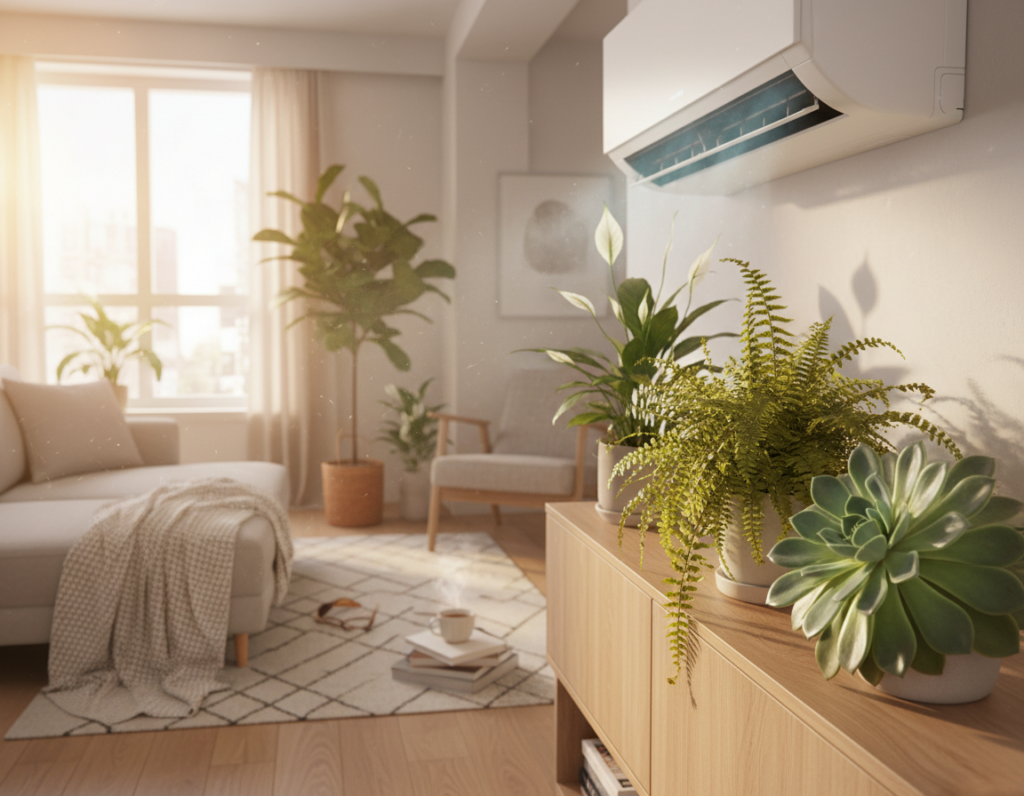
Cold drafts or warm blasts from vents can shock a plant in hours. Fiddle leaf figs, weeping ficus, rubber plants, and crotons respond poorly to abrupt temperature swings.
Tip: Keep a steady range and avoid placing a specimen directly beside a drafty window or heater.
Light Exposure Issues
Too much direct sun will scorch tips; too little light forces a specimen to drop older leaves to conserve energy. Moving a specimen across a room can produce large-scale loss within a short time.
- Abrupt changes in light or temperature are common causes of leaf drop.
- Using Pennington Plant Starter at planting reduces transplant shock and helps keep leaves where they belong.
- Maintain consistent humidity and light levels in winter to limit stress.
Assessing Root Health and Watering Habits
Start root checks at the pot level to rule out water-related problems quickly. A simple inspection can separate routine care from urgent repair.
Briefly, gently lift the root ball or slide the plant from its container to view the soil and roots. Healthy roots are firm and pale; soft, dark roots point to root rot.
Signs of Root Rot and Moisture Stress
Look for early signs: yellowing leaves, wilting, or brown margins often show up when roots struggle. Overwatering creates soft, black roots and a sour smell in the soil.
- Check soil moisture at root level with a moisture meter or your finger to avoid guesswork.
- Underwatering leaves the soil dry and makes foliage look scorched before it drops.
- Improve drainage in the pot and adjust watering time and frequency to match conditions.
- If roots are damaged, repot into fresh, well‑draining soil and reduce water until recovery.
Root health is the foundation of a healthy plant. Respond to these signs promptly to prevent further stress and restore normal leaf retention.
Identifying Pests and Nutrient Deficiencies
Hidden insects and subtle nutrient shortfalls often explain sudden decline in a seemingly robust plant. A quick, methodical check can separate pest damage from feeding problems and guide the right fix.
Common Insect Infestations
Inspect stems and the undersides of leaves for moving insects, webbing, or sticky residue. Early detection limits spread.
- Spot-treat with Sevin Ready to Use 2 for visible infestations.
- Keep airflow steady in the room to reduce favorable pest conditions.
Recognizing Nutrient Deficiencies
Discolored or stunted foliage often signals missing elements in the soil. A balanced feed restores vigor over time.
- Use Pennington Rejuvenate Plant Food 4-4-4 to correct common shortages and support growth.
- For a gentler boost, apply Alaska Fish Fertilizer 5-1-1 per label directions.
Fungal Disease Symptoms
Dark spots or a powdery film on tissue indicate fungal issues. Improve humidity control and airflow to stop spread.
- Daconil Fungicide treats many fungal spots; follow label for safe use.
- Remove affected material and avoid overhead watering to protect roots and soil.
Conclusion: Restoring Your Plant to Optimal Health
Timely, measured action—rather than panic—gives a plant the best chance to rebound.
Start with steady habits: check soil and roots, keep consistent watering, and adjust light and humidity to fit the specimen’s needs. Small steps over time reduce stress and promote steady growth.
If spots or pests appear, treat them at once. Isolate the affected specimen, remove damaged tissue, and apply a targeted treatment to stop spread in the room.
For winter shifts or a tight pot, repot or tweak exposure near a window. Regular checks of soil moisture and pest activity keep houseplants healthy and limit leaf loss.
Consistent care, quick fixes for pests or spots, and attention to roots and water will restore health and encourage new growth.