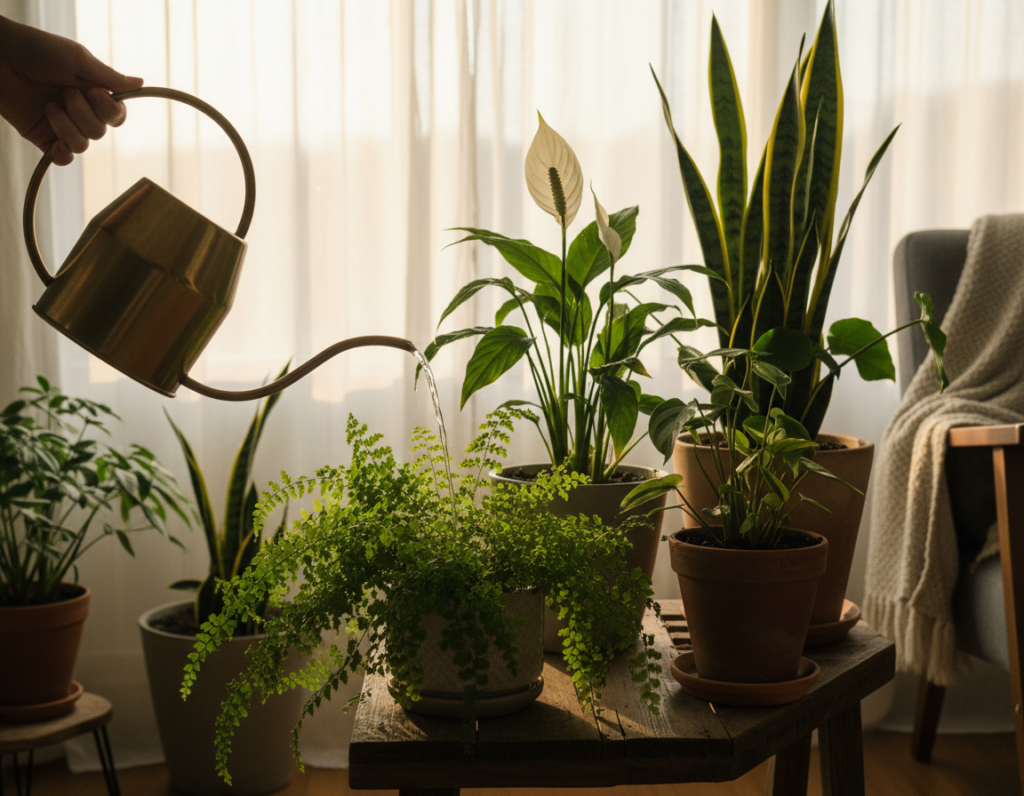
Small homes need thoughtful choices. A tiny studio or small apartment can feel cramped fast. A wrong spot leads to broken pots, wilted foliage, and wasted time.
Readers will learn which zones harm growth and which setups bring life. The guide highlights 150+ varieties, many suited for low light and limited floor space. It also notes that large specimens like a fiddle leaf fig need steady natural light and stable conditions.
High-traffic areas such as a busy kitchen or bathroom often cause toppled pots and damaged vines. Narrow hallways and drafty windows also stress fragile trees and succulents. Shelves and plant stands offer smart vertical options that save floor space and brighten walls.
This introduction sets expectations: clear tips for safer placements, quick fixes for crowded rooms, and simple ways add greenery without clutter. The result helps any renter craft a healthier, greener home fast.
Common Pitfalls When Choosing Where to Place Indoor Plants in Apartments
Traffic flow and vents are silent enemies of healthy green collections. A smart layout prevents toppled pots, scorched leaves, and chills that stunt growth.
Avoiding High-Traffic Areas
Busy living rooms and kitchens see the most foot traffic. Placing a plant near walk paths often ends with spilled soil or broken pots.
Tip: Pick corners, raised planters, or hanging planters from the ceiling to keep the floor clear and reduce accidents.
Steering Clear of Drafty Vents
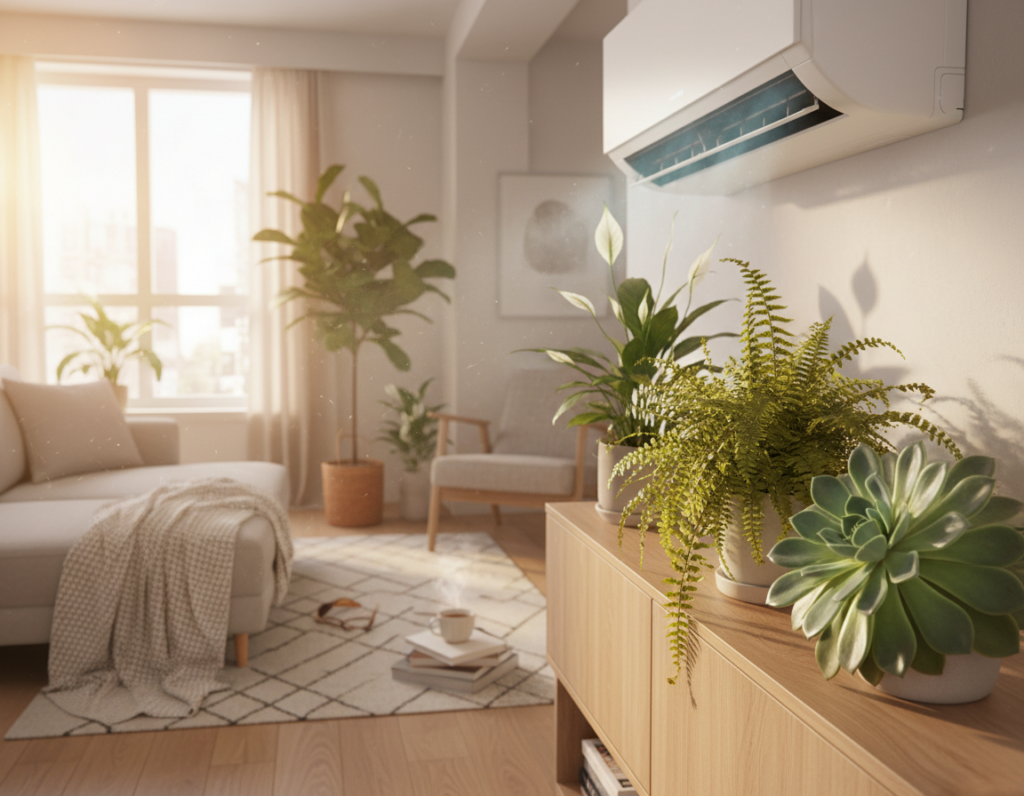
Cold drafts from vents or frequent temperature swings harm delicate foliage. Bedrooms and bathrooms commonly have vents that blow directly across pots.
Note: Give each specimen a stable microclimate. Avoid spots with frequent hot or cold blasts and check light levels before grouping several plants near windows or a shelf.
- Map traffic flow before arranging pots.
- Hang planters when floor space is tight in a studio.
- Keep fragile species away from vents and doorways.
Maximizing Vertical Space for Greenery
Smart vertical setups turn blank walls and ceilings into practical living art. Mount modular wall pockets or a slim shelving unit and the house gains instant life without sacrificing floor space.
Hanging species such as Pothos, Philodendron, and String of Pearls thrive from ceiling hooks or curtain rods. A single hook can support trailing vines that cascade like gallery pieces.
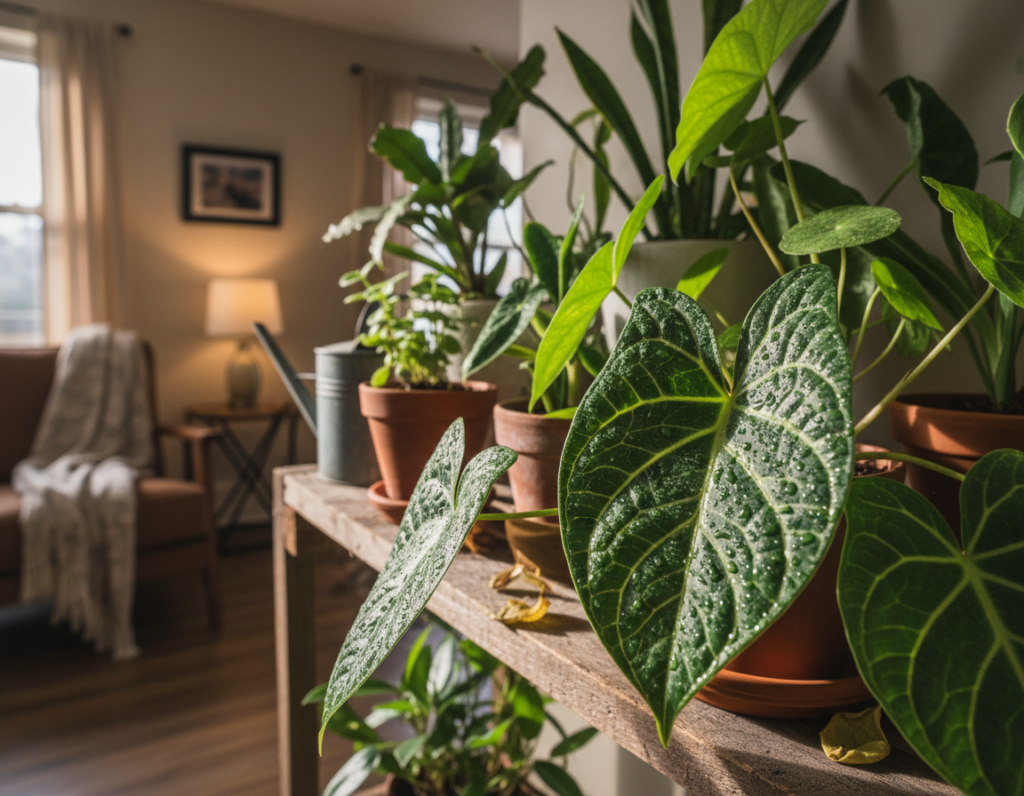
Tiered plant stands stack pots upward in a corner of a bedroom, bathroom, or kitchen. This is an efficient way add multiple specimens while keeping the room organized.
- Use wall systems that guide vines and support a fiddle leaf specimen safely.
- Choose lightweight pots and secure fasteners for any ceiling or wall mount.
- Mix hanging baskets with shelves to build a lush, studio-sized jungle without losing floor space.
Result: a cohesive green display that maximizes every inch and boosts light exposure for each pot.
Selecting Low Light Heroes for Dim Corners
Low-light corners can host hardy species that keep a home feeling fresh without much fuss. A short list of low-light heroes helps anyone outfit a shaded area without overthinking light needs.
Best Species for Shaded Areas
Snake plants are nearly indestructible and are ideal for dim spots where natural light is limited. They need minimal watering and steady, low care.
ZZ plants offer glossy, deep green leaves that thrive on a shelf in a studio or on a small wall stand. Their tolerance for low light makes them a practical choice.
Peace lilies bring height and elegant white colors to a bedroom or bathroom without bright windows. They also help lift mood and air quality.
- Choose plants small enough for a wall garden and matched to the light level of the house.
- Use lightweight planters and secure shelves when adding several specimens to a corner or floor stand.
- Maintaining a modest garden of shade-tolerant species is a simple way to enjoy greenery even with small windows.
Supplementing Natural Light with Professional Grow Lights
A reliable light system helps a home support more and larger greenery when windows do not offer enough sun. Good quality light affects leaf color, growth rate, and overall vigor.
Why light quality matters
Understanding spectrum and intensity
Plants need a balance of wavelengths. Full-spectrum white light closely mimics sunlight and supports photosynthesis, blooming, and leaf health. Poor light can cause stretched stems and faded colors.
Professional-grade options for real results
Soltech grow lights deliver a true full-spectrum white output that works for a fiddle leaf specimen and a mixed collection of succulents or trees. These units fit a wall or shelf and blend with modern decor.
Practical tip: Use a timer for consistent cycles. Controlled exposure helps a bedroom or bathroom setup mimic natural day length without extra effort.
Avoiding purple bulbs
Why white often beats purple
Purple LED bulbs may look efficient, but they distort visual cues and can hide nutrient or pest issues. Full-spectrum white light gives natural colors, so problems show up early and care becomes easier.
- Pro benefit: Full-spectrum light supports growth and reveals leaf color.
- Design fit: Slim Soltech fixtures mount neatly on a wall or under a shelf.
- Routine: Timers keep light consistent and save time while boosting life for each specimen.
“Consistent, quality light is one of the fastest ways to improve plant health in a small house.”
Using Mirrors to Enhance Your Indoor Garden
Strategic mirrors boost brightness and create the illusion that a small corner houses a larger garden. A mirror reflects natural light and makes a compact display feel like a lush jungle.
Practical idea: set a large floor mirror behind a tall plant on the floor of a studio. The doubled foliage will make the whole corner feel denser and more vibrant.
Mirrors also bounce light back onto a plant collection. This helps leaves get more light in a dim home and supports even growth across a shelf or stand.
- Use a mirror as wall art near the garden for dramatic visual depth.
- Position a mirror opposite a bedroom or bathroom window to send extra light across darker spots.
- Place a reflective panel behind a shelf and watch a modest group of plants feel like a full, layered display.
“A well-placed mirror is a simple, low-cost way to make a small house feel like a thriving green haven.”
Integrating Plants into Multi-Functional Decor
Integrating a living collection into everyday decor makes small rooms feel curated and calm. A bookshelf can host small succulents and trailing vines beside hardback spines for a layered, lived-in look.
Practical ideas bring usefulness and beauty together. A wall-mounted rail with pots for basil or mint keeps fresh herbs within reach of the kitchen. A tall, open shelf filled with pots acts as a room divider that separates a studio sleeping area from the living area.
Bonsai offers a refined, miniature tree that fits on a coffee table and introduces the Japanese art of careful shaping without costing floor space. Hanging planters and slim planters clear bathroom and bedroom counters while keeping surfaces tidy.
- Mix books, textiles, and small pots on a living room shelf for depth.
- Use plant stands or wall planters to free floor area and add height.
- Choose low-maintenance succulents and a bonsai as focal pieces.
“Thoughtful displays let foliage become both art and utility in a compact house.”
Conclusion: Creating a Thriving Green Sanctuary
A few well-chosen specimens and steady light can turn a cramped studio into a calm green retreat.
Transforming a small apartment into a thriving sanctuary starts by matching each plant to its microclimate. Use professional grow lights for a fiddle leaf on a dark shelf or a humid bathroom corner. Start with one or two hero specimens and expand over time; gradual growth saves time and reduces mistakes.
Result: a curated display that brings life and meaningful greenery to any house. For practical integration ideas and setup tips, see this guide on successful small-space integration: successful small-space integration.
With careful placement and the right tools, any house can feel like a retreat that boosts daily well-being.