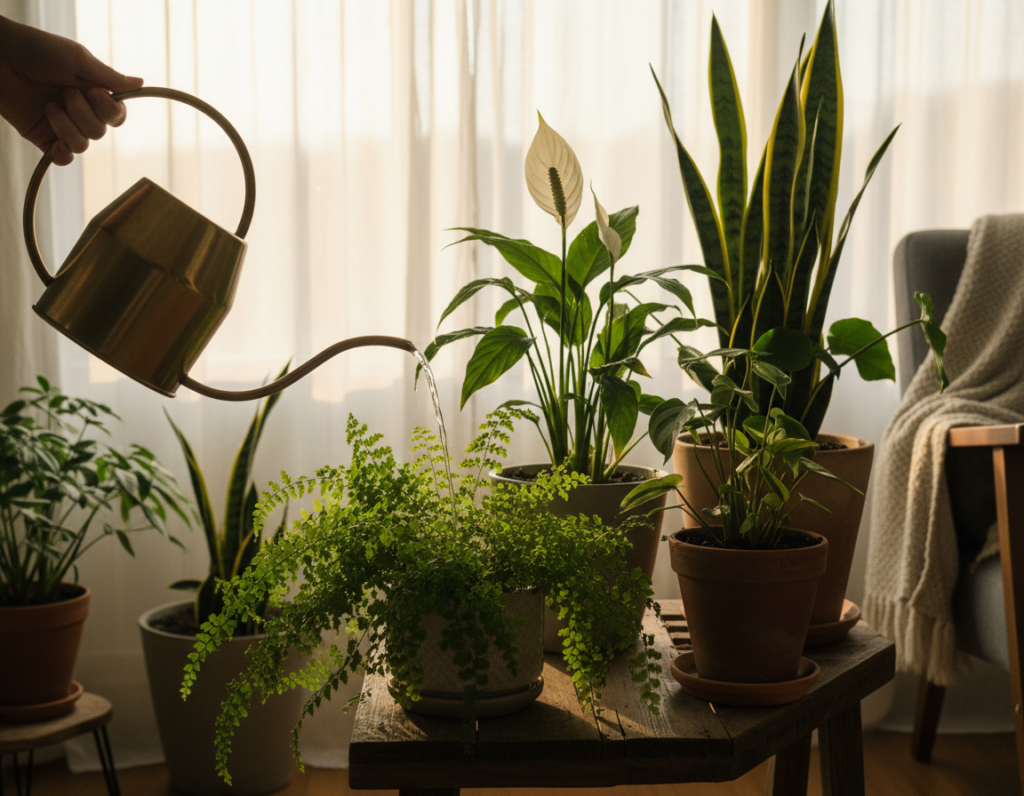
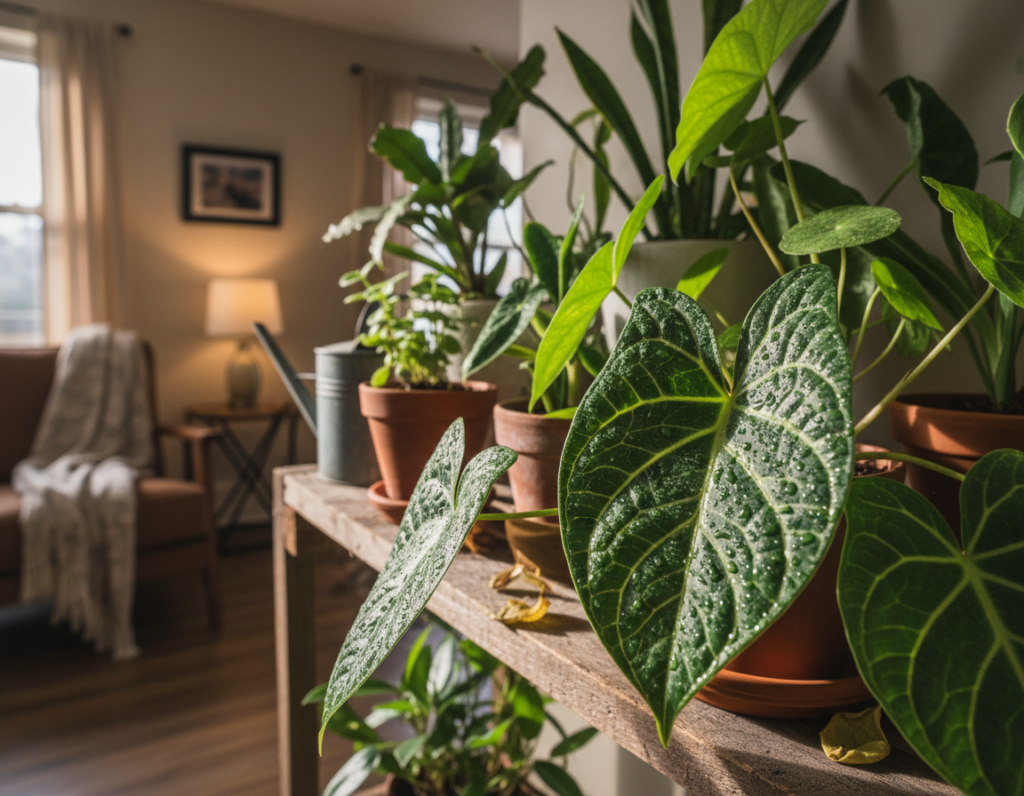
This short guide explains a common threat that can quietly kill houseplants if a caregiver misses early cues. Many hobbyists water and repot without checking the soil or the pot, and trouble often starts below the surface.
Brian Hudelson at the University of Wisconsin–Madison describes root rot as the breakdown of a plant’s underground system. Understanding this helps a person act before leaves and stems show distress.
This article will share clear tips on inspecting soil moisture, assessing the pot environment, and looking at roots with a careful hand. The guide keeps steps simple so a beginner can protect their greenery right away.
Follow these basic checks and learn how to adjust watering, drainage, and soil structure to keep houseplants healthy and thriving.
Understanding the Silent Threat of Root Rot
An invisible decline often begins at the base of a plant, driven by common soil fungi. Plant root rot is a broad term for diseases that destroy the underground system. Pythium, Phytophthora, Rhizoctonia solani, and Fusarium spp. are the usual culprits.
These organisms attack the plant root system in a few predictable ways. They thrive in wet, poorly drained media and spread fast when moisture stays too long. Most houseplants can be vulnerable, and infections may progress quickly.
Gardeners commonly see wilting even though the soil is wet. That paradox is a key clue: the damaged roots cannot take up water, so the foliage collapses while the pot stays damp.
- Silent killer: Pathogens like Pythium or Phytophthora can cause rapid death.
- Fast spread: Some outbreaks destroy a plant in days.
- Know the cause: Identifying the specific fungi helps protect other houseplants.
Identifying Root Rot Signs Indoor Plants
Early detection starts with the foliage and the pot. A plant that stops producing new growth and shows pale or yellowing leaves often has problems below the surface. Inspecting visible parts gives useful clues before damage spreads.
Visual Symptoms on Foliage
Look for slowed growth and color changes. Stunted stems and leaves that turn yellow or reddish can indicate nutrient transport failure. Limp foliage that remains soft while the soil stays wet is another worrying symptom.
Detecting Foul Odors
A sour, earthy smell from the drainage holes usually means bacterial or fungal decay has advanced. Trust your nose—this smell often signals that the underground system is breaking down.
- Check growth: No new leaves for months suggests struggling roots.
- Smell test: Foul odors from the pot indicate serious decay.
- Stem base: Dark, softened tissue at the base often means the problem is systemic.
“A clear smell from the drainage is one of the most reliable indicators of advanced decay.”
Why Overwatering Leads to Fungal Decay
Too much watering changes the soil from a breathable mix into an oxygen-poor slurry that harms the plant’s underground system. This lack of air is the main cause of many failures below the surface.
The Impact of Oxygen Deprivation
Oxygen feeds healthy roots; without it, tissues weaken fast. When the medium stays soggy, oxygen cannot reach the fine tissues that move nutrients. That suffocation kicks off decay and invites fungi to colonize.
- Overwatering prevents air flow and suffocates the root system, causing slow decline and eventual death.
- Soggy soil lets fungi such as Pythium form long-lived spores that persist in wet conditions.
- Poor drainage and standing water accelerate decay, often seen as yellowing leaves and limp growth.
“Maintaining balanced moisture is the most reliable defense against plant root rot.”
The Role of Drainage and Potting Media
A plant’s survival often hinges on whether its container and soil let air and water move freely. Proper drainage prevents prolonged moisture that favors fungi and spores. Choose a pot with drainage holes and avoid adding gravel at the bottom, which can actually inhibit flow.
Use a pasteurized commercial potting mix rather than garden soil. Garden dirt often carries fungi that introduce harmful spores to a home collection.
Lighten heavy mixes with peat moss or well-rotted compost to improve aeration. Better aeration helps oxygen reach the fine tissues that support growth.
- Make sure the pot allows excess water to escape; standing water invites decay.
- Disinfest tools, work surfaces, and clay containers with a 10% bleach solution after handling infected material.
- Never reuse potting mix or the drained water from a suspect container; both can harbor fungal spores.
“Good drainage and a clean mix are the most reliable preventive measures against root rot.”
Assessing the Health of Your Plant Roots
Gently freeing the root ball from its container often tells the full story of a plant’s condition. Start with light pressure on the pot sides and ease the root mass out. Work on a clear surface and keep the potting media loose enough to see the base and fibers.
Inspecting Root Texture
Healthy textures are firm and springy. Good roots are usually white or tan and feel solid. Damaged tissue becomes slimy, dark, and mushy after too much water or poor drainage.
Distinguishing Healthy Roots
Look for firm strands and new, pale tips. These show active growth and good nutrient uptake. Puffy, soft tissue is a warning that the underground system is compromised.
Identifying Necrotic Tissue
Necrotic areas often emit a foul smell and appear black or translucent. If unsure, contact the University of Wisconsin PDDC at 608-262-2863 for expert analysis.
- Carefully remove the plant from its pot to compare firm versus decaying tissue.
- Yellowing leaves or halted growth often match problems below the surface.
- When diagnosis is needed, consider sending a sample to a clinic for confirmation.
“A quick, careful inspection of roots gives the clearest indication of plant health.”
For more on common causes and prevention, see root rot in houseplants.
Step by Step Guide to Treating Infected Plants
Careful pruning of soft, discolored tissue is the first practical step to save a struggling specimen. They should use sterilized shears and remove all mushy or black sections to limit spread.
After pruning, treat exposed tissue promptly. Apply a solution of 1 part 3% hydrogen peroxide to 2 parts water and gently rinse the remaining roots to kill lingering spores and fungi.
- Prune damaged tissue with clean, sterilized shears.
- Soak the healthy roots briefly in the hydrogen peroxide solution, then let them drain.
- Repot only into fresh, well-draining soil mix; never reuse the old infected mix.
- Choose a pot with adequate drainage holes to prevent water from pooling at the base.
- If the plant rot is extensive and recovery is unlikely, dispose of the specimen to protect others.
Follow this guide as a clear, step-by-step way to treat plant root issues and reduce the chance of spores spreading. Proper drainage and a clean mix give the best chance for recovery.
“Treating quickly and repotting into clean soil are the most effective actions to stop further decay.”
Environmental Factors That Influence Recovery
A plant’s recovery accelerates when its environment restores balance between moisture and energy. Light, air, and drainage shape how quickly the underground system heals after root rot.
Optimizing Light for Faster Recovery
Use quality grow lights to boost metabolism so the specimen uses water more effectively. Soltech’s Aspect Gen 2 and Vita line deliver professional-grade PAR that helps recover tissue and encourage new growth.
When a specimen sits in low light, its pace slows and water lingers in the soil. That stagnant moisture invites fungi to thrive and extends damage.
- Light drives water use: stronger light raises transpiration and reduces standing moisture.
- Combine light and drainage: good drainage and targeted PAR prevent conditions that favor fungal growth.
- Environment as a solution: steady light, modest water, and fresh soil speed how fast roots recover and how well they grow.
“Proper light and drainage work together to stop recurrent decay.”
Best Practices for Preventing Future Outbreaks
Preventing repeat outbreaks starts with consistent, simple care routines. They focus on keeping airflow, proper moisture, and clean containers so fungi and spores cannot establish.
Check the top two inches of soil before you add water. A quick finger test helps avoid oxygen loss that harms roots and slows growth.
Use a well-draining potting mix and a pot with drainage holes. Fresh mix reduces the chance that spores persist and lets excess water escape.
Inspect leaves and overall growth weekly to catch early signs of trouble. Prompt pruning of soft tissue and repotting into clean mix helps recovery.
- Water sparingly: only when the top soil dries to the recommended depth.
- Improve drainage: select airy mixes to boost oxygen at the base.
- Monitor growth: look for steady shoots and pale new tips as evidence of healthy roots.
“Routine checks and the right environment give the best chance to keep houseplants vigorous and free from root rot.”
Conclusion
This guide shows that early action gives a plant the best chance to recover from underground damage. Quick checks of soil and careful pruning can stop a developing root rot before it spreads.
Watch for common symptoms such as yellowing leaves and persistent wilting. They let a caregiver intervene with better drainage, adjusted water schedules, and fresh mix to protect the roots.
Share these tips with fellow plant parents. A little vigilance and the right habits help keep green collections healthy and reduce the chance of permanent rot.