Keeping houseplants healthy starts with controlling the space around them. In small apartments, damp air and weak airflow create ideal conditions for unwanted growth in potting mix. A few simple habits make a big difference.
They should place pots where they get steady light, ensure proper drainage, and avoid overwatering. Inspect new additions for signs of disease before bringing them inside. These steps help with long-term prevention and overall plant vigor.
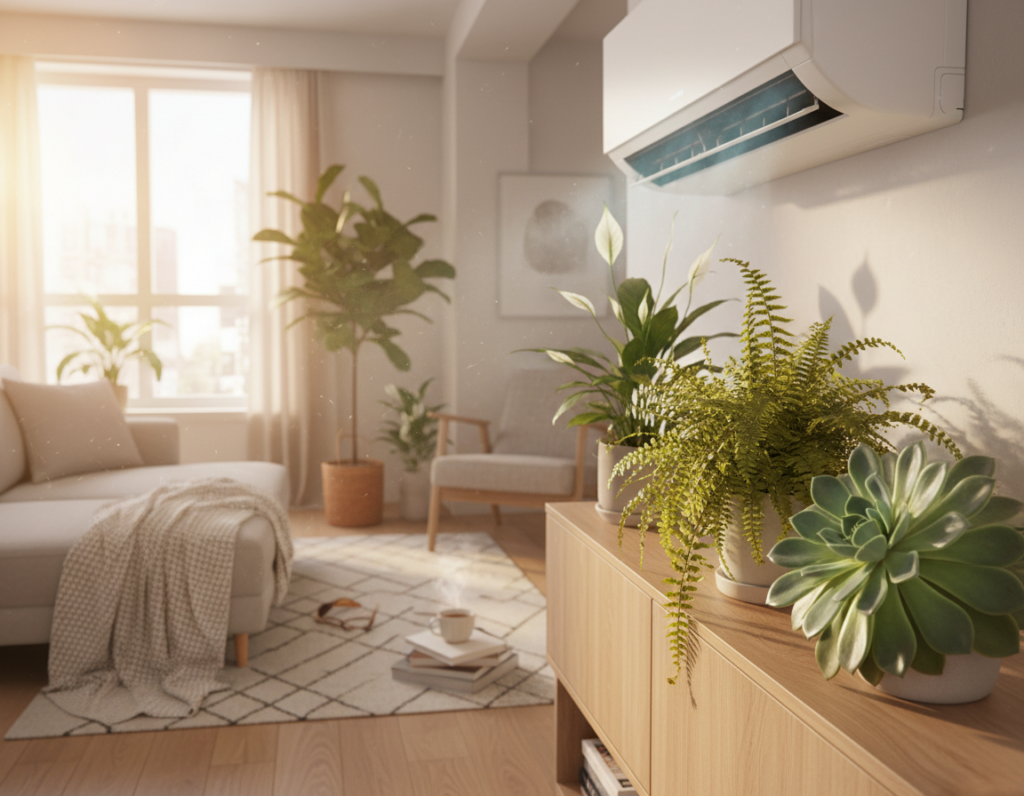
Experts note that keeping a room at balanced humidity stops many common issues. For practical measures on controlling moisture in the living space, readers can follow advice to keep your home as dry as, use fans, and vent wet air outside.
Healthy care beats panic. If someone sees visible mold on a plant, small environmental changes often restore its green shine without needing to discard the plant.
Understanding Why Poor Ventilation Triggers Fungus Problems Indoor Plants
Stale air and tight corners let airborne spores settle on leaves and start a cycle of decay. When circulation is low, moisture lingers on foliage and in the soil, so mildew and other fungi find ideal conditions to take hold.
The Impact of Stagnant Air
Restricted ventilation prevents surface moisture from evaporating. That keeps humidity high and gives spores time to land and germinate on a plant’s stems and leaves.
Overcrowding pots on a shelf compounds the issue. Limited space reduces airflow between pots and raises the chance of visible growth and rot.
Recognizing Early Warning Signs
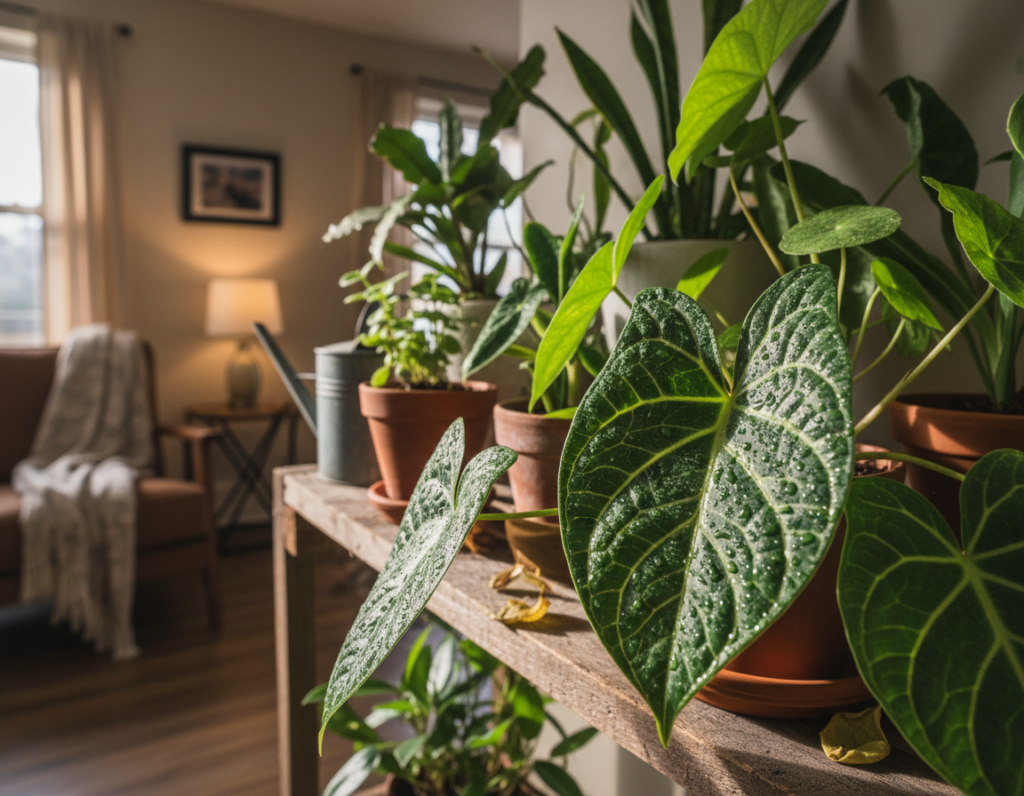
Watch for yellowing leaves, white powdery patches, or brown spots. These are clear signals a specimen is under stress from excess moisture or poor light.
- Soft or sunken stems can mean rot is forming.
- Clumped soil that stays wet long after watering points to drainage or ventilation issues.
- Patches of powdery material often indicate mildew developing on foliage.
Addressing ventilation, light, and humidity together is the best way to protect houseplants before damage spreads. This simple guide helps readers spot trouble early and adjust care to prevent further growth of spores.
Essential Environmental Adjustments for Apartment Dwellers
A few targeted tweaks to location and containers help keep leaves dry and roots healthy. Choose planters like Wally Eco that have small front vents so excess moisture can evaporate. This promotes root health and better soil aeration.
Space plants so air can move around each pot. Crowded shelves trap stagnant air and raise humidity near foliage. To improve ventilation, place items where breezes or a low-speed oscillating fan can reach them.
If a decorative pot lacks drainage holes, keep the plant in a nursery pot inside that container. This prevents water from pooling and harming roots. Check soil moisture regularly to avoid overwatering.
Pick locations with the right light for each species. A healthy plant resists disease better. Maintain steady conditions in the home and make sure watering and drainage are consistent to protect houseplants in small spaces.
Identifying Common Fungal Pathogens
Clear visual cues on leaves and soil help a gardener spot infections before they spread. A short daily inspection makes it easier to catch issues early and choose the right treatment.
Powdery Mildew Characteristics
Powdery mildew appears as a light dusting, like flour or powdered sugar, on leaves. It spreads quickly if the affected plant is not isolated.
Use neem oil on the surface to slow growth, and remove affected leaves with sterilized tools.
Root Rot Symptoms
Root rot shows as mushy, black roots and a foul smell. This often follows overwatering and poor drainage in the soil.
If roots are soft and dark, repot into fresh mix and trim away rotten tissue to prevent further rot.
Grey Mold Identification
Grey mold (Botrytis) creates grayish-tan patches on stems and leaves. It favors cool, humid conditions and may form irregular circular spots that merge.
Also watch for aphids—honeydew can attract sooty mold—so treat pests and fungal growth together and wash hands and tools after handling infected leaves.
“Early removal and hygiene are the best defenses against spreading fungal spores.”
Managing Soil Health and Drainage
Healthy roots begin with clean mix, solid drainage, and careful watering routines. Check soil moisture at least 2 inches down before you water to avoid a waterlogged environment for the plant.
Make sure pots have adequate drainage holes so excess water can escape and roots can breathe. If the top layer shows mold, remove the top two inches and replace with sterilized soil.
Adding a small dose of Trichoderma bio-powder to fresh potting mix can help prevent root rot. If contamination is suspected, repot into a new, sterilized mix rather than reusing the old soil.
A well-nourished specimen resists decline. Use a quality potting mix and a balanced fertilizer to keep the plant vigorous.
- Check moisture 2 inches down before watering.
- Repot with sterilized mix when contamination appears.
- Propagate healthy cuttings if rot continues despite treatment.
“Good soil and reliable drainage are the simplest defenses for long-term plant health.”
Natural Remedies for Fungal Outbreaks
Home remedies offer low-toxicity options for treating leaf spots and surface growth. These methods reduce spores and help the specimen recover without strong chemicals.
Simple sprays and good sanitation form the core of an effective treatment plan. Test any homemade mix on a single leaf first to avoid burns.
Using Neem Oil and Baking Soda
A mix of 1 teaspoon baking soda per gallon of water can disrupt fungal spores and slow powdery growth. Apply lightly and repeat only if the foliage shows no distress.
Urban Plant’s Neem Oil is a trusted organic spray that targets common plant diseases. When treating powdery mildew, coat all leaf surfaces and repeat every 7 to 10 days until spots fade.
- For aphids or sticky residue, wash leaves with soapy water to remove the sweet film that invites sooty mold.
- Snip infected leaves with clean shears and dispose of them in the trash, not the compost.
- Use a natural fungicide on stubborn spots and move the specimen to a well-ventilated spot so leaves dry fast.
“Using natural remedies like neem oil is a safe way to manage outbreaks without introducing harsh chemicals into your living space.”
The Role of Air Circulation and Humidity Control
Running a low-speed fan and trimming crowded leaves helps air move through a plant’s canopy and reduces damp pockets.
High humidity combined with stagnant air is the main cause of powdery mildew and other leaf spots. During the monsoon, a gentle fan on low keeps air moving and cuts the time foliage stays wet.
If fungal spores appear, move the plant to a warmer, drier room with better ventilation. Reduce misting and avoid splashing water on leaves when you water.
Good light plus steady airflow strengthens a specimen’s natural defenses. Trimming some interior leaves on full plants opens the canopy and improves circulation throughout the structure.
- Use a small oscillating fan for several hours daily when humidity is high.
- Keep leaves dry after watering to limit grey mold and similar growth.
- Increase light where possible to boost plant vigor and recovery.
“Controlling humidity and ensuring consistent air circulation creates conditions where fungi struggle to take hold and spread.”
Proper Watering Techniques to Prevent Rot
Watering habits make or break a healthy plant. Morning water gives the soil time to dry during daylight. That reduces hours when roots stay wet and vulnerable to root rot.
Morning Watering Benefits
They should water in the morning so moisture evaporates before night. Drying leaves and stems overnight lowers the chance of rot.
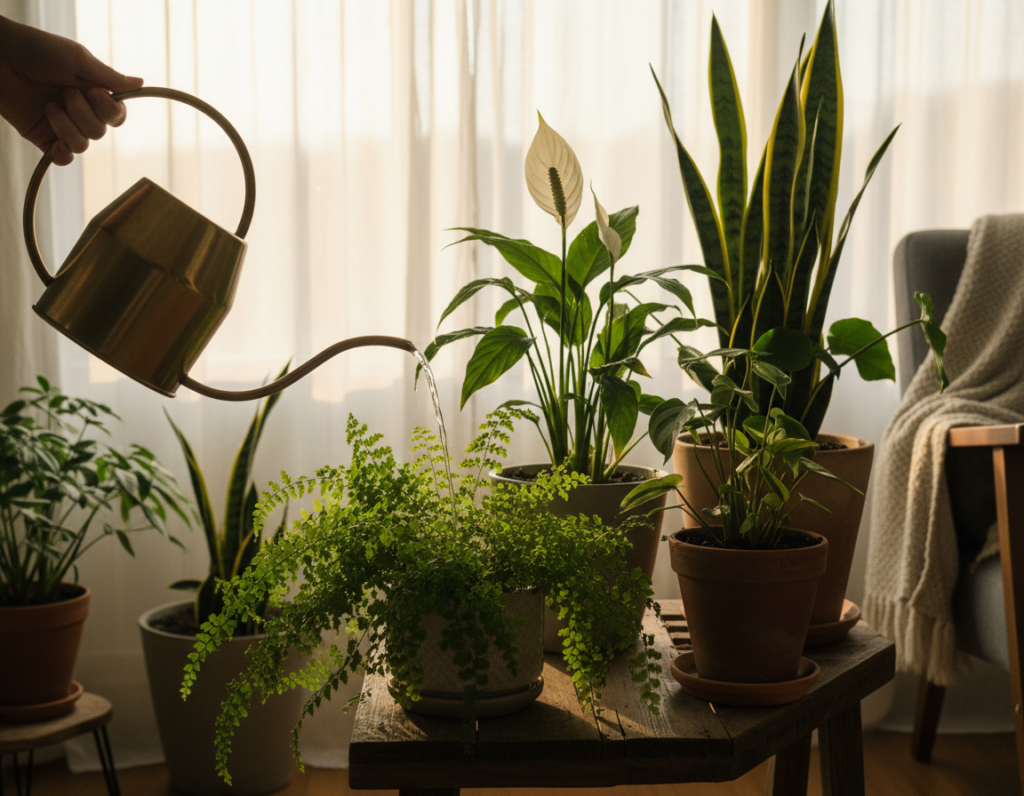
Pour water directly into the soil rather than splashing foliage. If water lands on leaves, blot them dry or move the plant to a well-ventilated spot.
Checking Soil Moisture Levels
Always check moisture about 2 inches down before you water. The surface can feel dry while the soil below is still wet.
- Avoid standing water; it invites root rot and damages the plant.
- If a plant wilts from overwatering, cut back on water and improve drainage.
- Consistent watering routines help keep soil and stems healthy over time.
“Consistent, measured watering is the simplest defense against rot.”
Handling Pests That Lead to Fungal Growth
Pests that feed on sap leave sticky honeydew, which then invites sooty mold to settle on leaf surfaces. Aphids and mealybugs produce this sweet deposit on the surface of leaves, so treating insects is the first step to stop secondary growth such as mildew or black residue.
They should inspect the undersides of leaves and the crooks of stems where bugs hide. Yellow spots or fine stippling are early signs; a magnifying glass helps find tiny pests.
For control, use a wash with mild soapy water to lift insects and sticky film. If infestations persist, apply a registered neem oil spray according to label directions.
Fungus gnats in damp soil can cause root rot by the larvae feeding on roots. To reduce risk, allow the top layer of soil to dry and improve air movement around the plant.
“Treat the pest issue first; once insects are gone, sooty growth usually stops spreading.”
- Check plants weekly.
- Remove heavy infestations by hand or with targeted sprays.
- Consider outdoor beneficials like ladybugs for severe aphid outbreaks.
Best Practices for Sanitizing Tools and Pots
Sanitizing shears and pots after each use creates a simple, effective barrier against pathogens. Clean gear reduces the risk of transferring spores or bacteria between specimens.
They should dip pruning tools in 10% bleach or alcohol before and after use. Wiping blades between cuts limits contamination and protects new growth on the leaves.
When repotting a specimen that showed infection, make sure to sterilize the pot thoroughly. Remove old soil, scrub, and disinfect containers so rot does not carry into fresh mix.
Dust fresh cuts with cinnamon or a labeled fungicidal powder to seal wounds and slow unwanted growth. Clean tools between each specimen and keep nursery pots and decorative planters free of debris.
- Wash hands and change clothes after handling a sick specimen.
- Follow integrated sanitation advice from experts and resources like clean and disinfect gardening tools.
- Maintain a routine to keep tools and pots ready for safe care.
“Proper sanitation is the first line of defense for a healthy collection.”
Conclusion
A regular schedule of checks and small adjustments keeps most outbreaks from taking hold. They should watch light, ventilation and water so a plant’s leaves and soil stay balanced. Small moves — better drainage, a fan, or a slight shift in light — yield big gains.
Early action helps stop powdery mildew and root rot. Remove spotted leaves, trim soft stems, and treat soil when spores or damp spots appear. Quick, targeted treatment preserves healthy growth and limits spread of fungi.
For lasting success, combine proper air circulation, steady humidity control, and clean tools. With routine care and good prevention, houseplants thrive and a home stays green and calm.