Choosing resilient houseplants helps new gardeners turn a home into a green refuge without stress. This guide highlights hardy species that tolerate common errors in light, water, and occasional soil mistakes. New caretakers gain confidence faster when they start with forgiving varieties.
Many of these plants adapt to average room conditions and ask for simple care. Proper soil drainage matters most to avoid root rot, and a modest fertilizer routine supports steady growth. Observing the leaves gives clear clues about a plant’s needs.
It takes time to learn every species, but resilient houseplants reduce failure while beginners refine skills. With a few steady habits, anyone can enjoy the calm and color that living greenery brings to their home.
Why Indoor Plants Are Perfect for Your Home
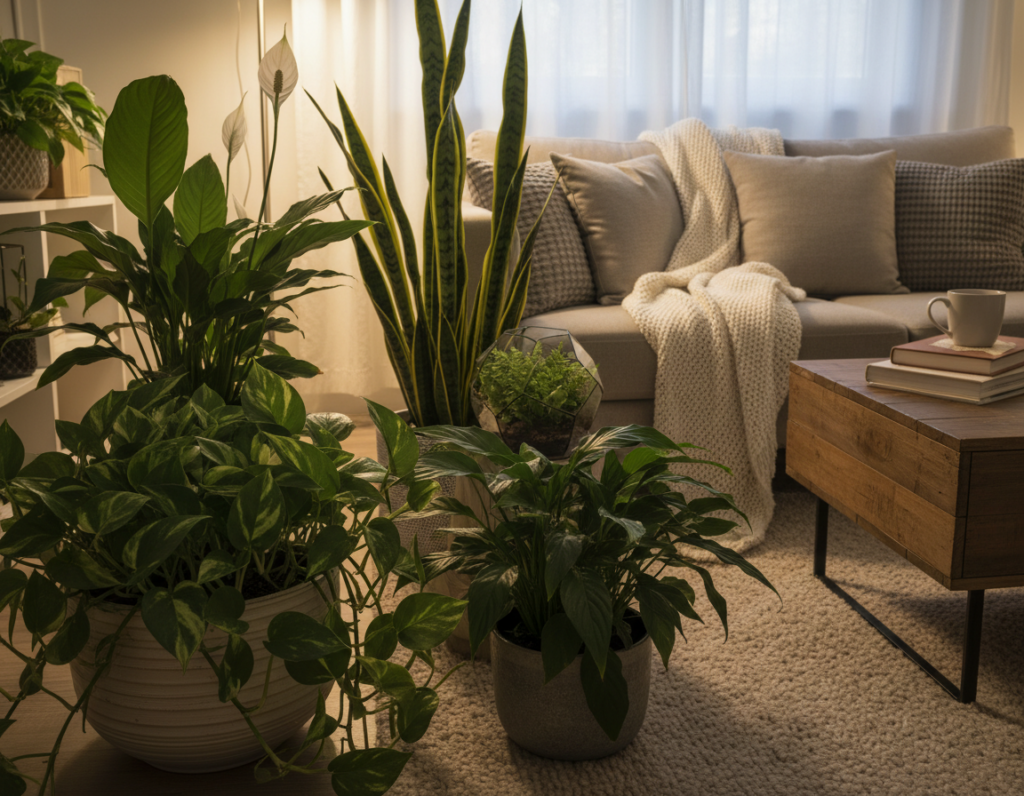
A few well-chosen houseplants can turn ordinary rooms into healthier, more inviting spaces. They add color and texture while helping to refresh the air in bedrooms, living rooms, and small spaces.
Bringing green life home creates a calm environment that supports mental well-being. A single houseplant can lift mood and act as a gentle daily reminder of nature.
Many plants like the Snake Plant also filter common pollutants. That makes them useful in shared rooms and near sleeping areas.
Adding plants home means thinking about soil and water needs. Correct soil and steady watering keep leaves healthy and prevent root issues.
Understanding how light affects placement is the first step to success. When matched to a room’s light, many plants thrive with minimal fuss and provide long-lasting benefits.
- Improves air and mood
- Enhances decor and texture
- Creates a simple living ecosystem
Selecting the Best Beginner Indoor Plants
Picking tolerant houseplants reduces worry while a person learns watering and placement habits. A short list of forgiving species helps a new collector understand how light, soil, and water affect growth.
Snake Plant
The snake plant thrives in low to bright light and needs infrequent watering. It tolerates dry soil and resists root rot when allowed to dry between waterings.
Pothos
Pothos grows in low to high light and produces long trailing stems that suit shelves and hanging pots. This houseplant shows steady growth with modest fertilizer and regular pruning.
Spider Plant
The spider plant produces baby plantlets on stems, making propagation simple. Check soil dry levels before you water to avoid overwatering and to keep roots healthy.
- Snake plants tolerate a wide range of light.
- Pothos delivers fast growth and decorative trailing stems.
- Spider plants create easy-to-share offsets for a growing collection.
- For contrast, rubber and prayer plants need brighter light or consistent moisture.
- Inspect every weeks for growth, pests, and to time fertilizer.
Understanding Light Requirements for Your Greenery
Light shapes how a plant grows, so choosing the right window or lamp matters.
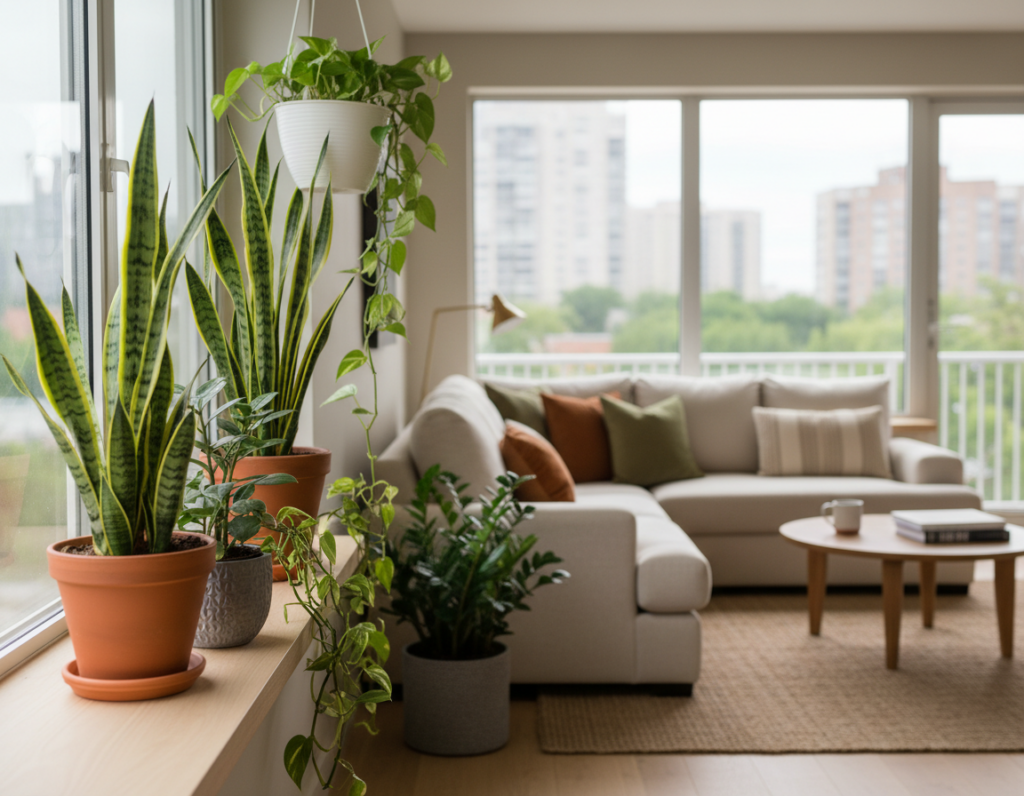
Bright indirect light gives steady energy without scorching leaf surfaces. Some houseplants do well in lower light, but they grow faster in a medium bright spot. Direct sunlight can often burn leaves, so filter harsh rays with curtains or place a pot back from the window.
Bright Indirect Light vs Low Light
Knowing the difference prevents scorched or yellow leaves. Observe a plant for a few weeks to see whether new growth is strong or pale.
- Bright indirect: near east or north windows, plenty of diffuse sunlight.
- Medium bright: a few feet from a south or west window; growth improves.
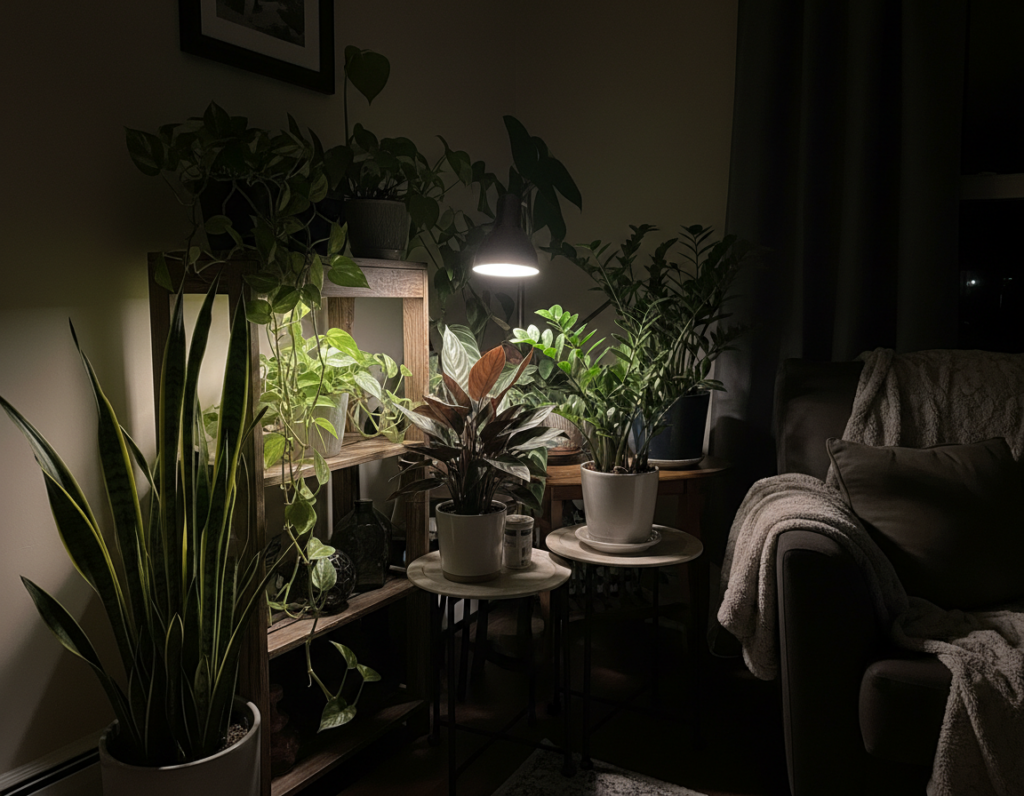
- Low light: shaded rooms work for slow-growing varieties like Pothos, but expect less growth.
- Check soil dry levels when a plant looks unhappy; low light can make soil stay moist longer.
Balance of light and water keeps stems sturdy and leaf color vivid. With proper placement, houseplants get the energy for steady growth without the risk of burn leaves or dehydration.
Mastering Watering Techniques to Prevent Root Rot
A simple soil check can be the difference between a thriving plant and one with root rot. Overwatering causes most cases of rot, so learning a few clear habits saves time and loss. These steps focus on checking moisture and ensuring good drainage.
Checking Soil Moisture
Insert one two inches of a finger into the soil before you add water. If the top inch feels dry, give a modest amount; if it feels moist, wait a few days.
Watch leaves and stems for signs of trouble. Mushy stems are a clear signal that root rot already affects the root system.
Drainage Importance
Proper drainage is the most effective way to avoid overwatering. Use pots with holes and well-draining mix so excess water can escape and roots breathe.
- Inspect drainage holes every weeks to prevent clogs from compacted soil.
- Establish a consistent watering schedule to avoid dry waterings and sudden soakings.
- Moist soil lovers like prayer and rubber species still need free-draining pots and occasional fertilizer during growth to recover from stress.
By mastering these watering techniques, a houseplant gets stable care and far less risk of root rot. Steady habits help plants thrive.
Essential Care Tips for Thriving Houseplants
A short inspection once a week prevents small issues from becoming major problems. Regular checks of soil and foliage catch yellowing, pests, and moisture problems early.
Identifying Yellow Leaves
Yellow leaves usually point to a water problem. If leaves turn yellow, they should check the soil dry level and ensure the pot isn’t sitting in water.
Overwatering harms the root system and causes soft stems. Underwatering can also yellow older leaves as the plant redirects moisture to new growth.
Managing Pests
Quarantine new additions for a few weeks before placing them near other houseplants. This prevents spread of mites or aphids.
Wiping stems and leaves with a damp cloth removes dust and early pests. For a rubber specimen, dusting large leaves helps it absorb enough light for steady growth.
- Use a balanced fertilizer during active growth.
- Match light and watering to the species to keep defenses strong.
- Catch issues in the first few weeks by inspecting soil, leaves, and stems.
Troubleshooting Common Plant Issues
Small signs on stems or soil give quick clues about what a plant needs. A short, calm check saves time and prevents bigger losses.
Identifying Yellow Leaves
Yellow leaves often mean too much water rather than a lack of nutrients. For a snake plant, yellowing usually points to overwatering and not light.
Check the soil dry level by feeling the top two inches. If soil stays moist for many days, pause watering to avoid root rot.
If a plant grows slowly and old leaves yellow, try moving it to bright light or give a gentle, balanced liquid fertilizer during the growing season.
Managing Pests
Inspect undersides of leaves, especially on a rubber plant, where insects hide and feed. Wipe leaves and stems with a damp cloth to remove dust and small pests.
“Early detection and steady action keep green leaves healthier for longer.”
For spider plant or prayer plants with brown tips, switch to filtered water to reduce chemical buildup in the soil. Quarantine affected pots for a few weeks and treat persistent infestations with targeted, low-toxicity options.
Checklist to avoid common issues:
- Check soil dry levels every weeks to avoid overwatering.
- Use filtered water for sensitive species to prevent brown tips.
- Move pots away from direct sunlight to prevent burn leaves.
- Inspect roots if decline continues to confirm root rot.
Conclusion
Consistent care, not constant attention, makes a houseplant flourish over time.
Stick to steady checks of indirect light, soil dry levels, and modest water amounts. These habits prevent root issues and keep stems and leaves healthy.
Choose tolerant varieties like a snake plant or spider plant, and add prayer varieties later as confidence grows. Feed with a gentle fertilizer during active growth and inspect pots every few weeks.
Over time, the small routine improves air quality and lifts the home environment. For more options and care tips, see a curated list of easy-to-grow houseplants.