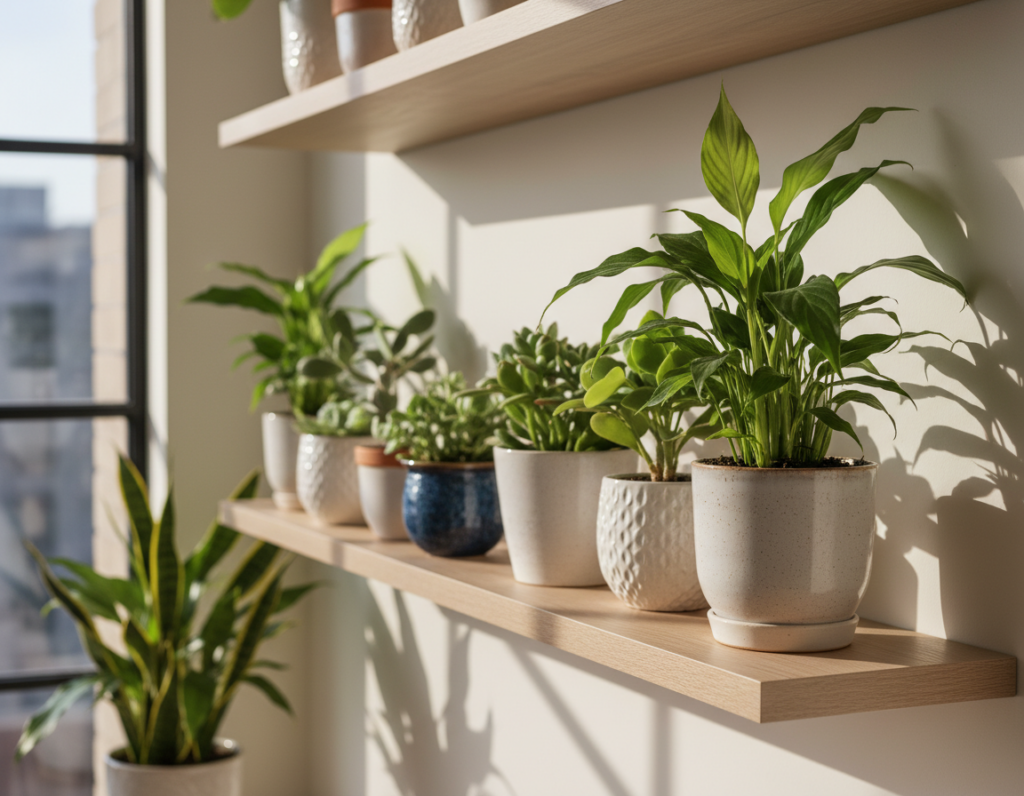
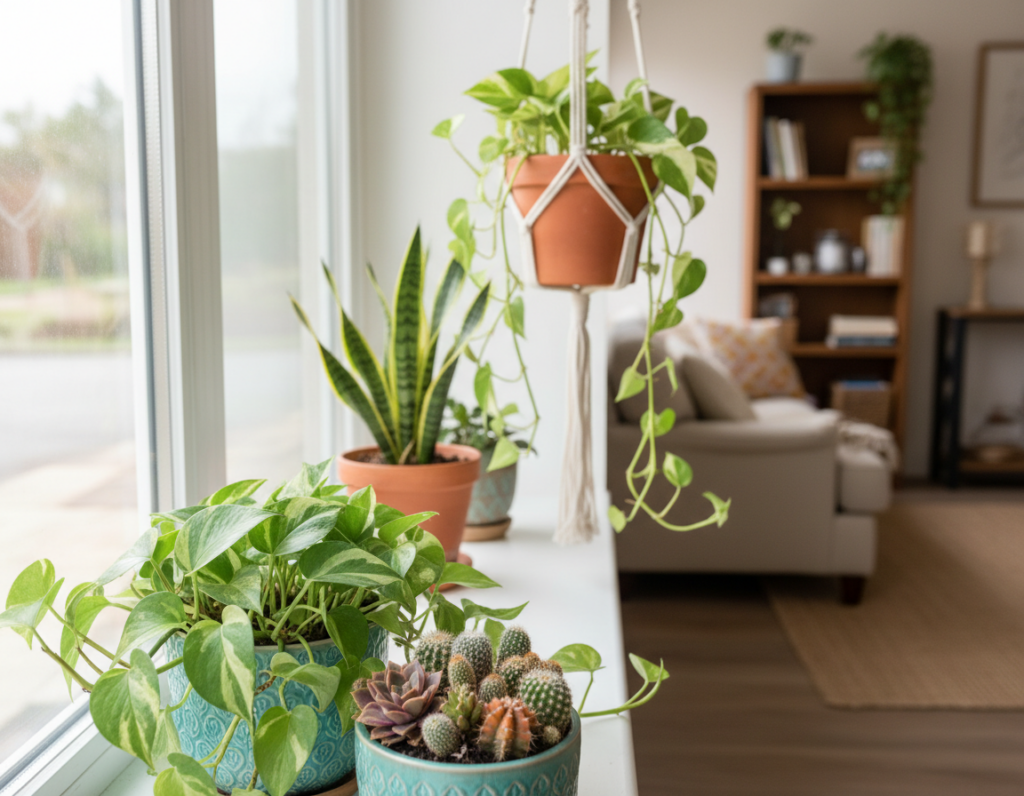
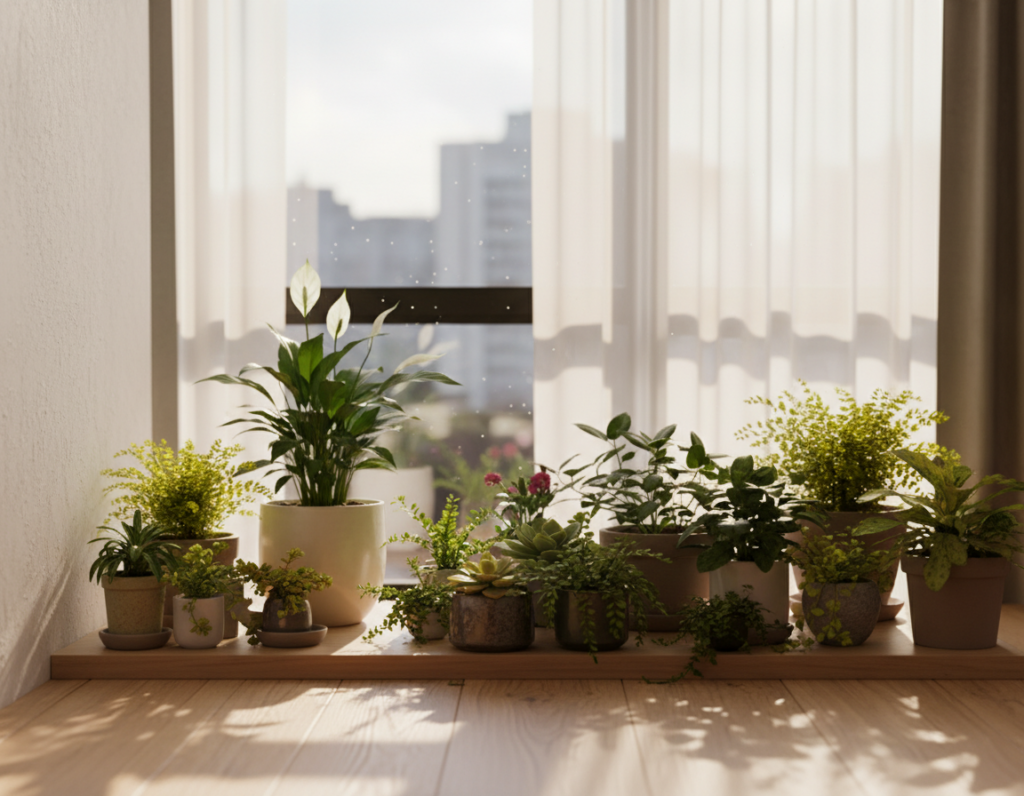
Bringing vibrant houseplants into the home is a simple way to lift mood and brighten any room. Modern apartment dwellers often choose small green additions that fit limited square footage while adding life and texture.
These indoor plants add a pop of color and help turn neutral rooms into personalized sanctuaries. Selecting the right plant ensures it thrives in the available light and fits each apartment layout.
Whether a trailing vine or a hardy succulent, these choices make even tiny spaces feel fresh. They bridge the gap between nature and modern interior design and bring healthy air and calm to urban living spaces.
Why Cute Mini Plants for Apartments Are Essential
Indoor foliage helps transform tight urban spaces into restorative retreats. Bringing nature indoors shifts a neutral apartment into a place that supports mood and productivity.
In 2026, the biophilic trend highlights that indoor plants improve both air quality and mental well-being in cities. Small houseplants act as functional decor that brightens a dim room without claiming precious floor space.
Placing a plant near windows lets it thrive while keeping a direct connection to the outside world. These additions also purify the air and introduce texture and color that enhance daily life.
- Health: Better air and calmer moods.
- Design: Greenery balances modern fixtures and softens hard edges.
- Practicality: Compact houseplants suit apartment living and tight layouts.
Selecting the Right Greenery for Your Living Space
Choosing the right greenery starts with matching each plant’s light and soil needs to your living layout.
Assess light levels first. North-facing windows need shade-tolerant species. South-facing rooms suit plants that crave bright sunlight.
Succulent Varieties
Succulents are ideal when floor and shelf space is tight. The jade plant has thick, oval-shaped leaves and stores water well.
They need well-drained soil and infrequent watering. These traits make succulents a low-maintenance choice for many homes.
Fern Selections
Ferns add soft foliage and contrast to succulents. The asparagus fern, interestingly, is part of the lily family and offers delicate fronds.
Peace lily thrives in various light conditions and brings rich color to dim corners. Chinese evergreen and lucky bamboo add texture and variety.
- Match light to species: avoid overexposure.
- Use well-drained soil: prevents root rot.
- Keep consistent watering: adapt frequency to each plant’s needs.
For a quick reference on small houseplant care, consult this small houseplants guide to pick the best variety for your space.
Low Light Champions for Dim Corners
Dim corners need hardy greenery that tolerates low sunlight and irregular care.
The Indestructible ZZ Plant
The ZZ plant stores water in thick rhizomes, so it survives long gaps between watering. Its glossy leaves hide drought resistance and make it ideal in a dim bathroom or narrow hallway.
Choose it when light is scarce. The species does well with indirect light and low maintenance. It tolerates north-facing windows and uneven schedules common in compact apartment living.
- The ZZ plant is considered indestructible because it stores water in thick rhizomes.
- Snake plants are excellent for bedrooms since they produce oxygen at night in low light conditions.
- Prioritize species that accept limited sunlight and irregular watering for small spaces.
- These low-light champions fill empty corners where other specimens may fail.
- Balance indirect light with occasional water to keep both healthy for years.
Practical tip: place the ZZ or snake plant out of direct sun but near a source of ambient light. They thrive on modest care and improve air quality, making them perfect choices for modern apartment conditions.
Vertical Solutions for Limited Floor Space
Vertical displays turn walls and ceilings into living canvases that save room and add texture. Hanging and shelving systems make it possible to enjoy lush greenery without sacrificing usable floor area.
These setups work well in small apartment layouts. They add layered foliage and soften modern lines while keeping pathways open.
Trailing Pothos Vines
Pothos vines trail beautifully from shelves or hanging baskets. They also serve as natural air purifiers; pothos is known to remove formaldehyde from furniture and rugs.
They tolerate varied light and need only occasional watering, so they fit busy lifestyles.
Spider Plant Babies
The spider plant produces offshoots that dangle like small garlands. These spider plant babies create a lively display and are non-toxic and pet-safe, which suits households with cats or dogs.
Heartleaf Philodendron
The heartleaf philodendron is forgiving and thrives in indirect light. It has glossy leaves that add depth and a tropical touch.
- Maximize vertical space: hang baskets or use wall shelves to free the floor.
- Layer species: combine pothos, spider plant, and philodendron to build a textured look.
- Air quality benefits: these plants also help filter indoor air while enhancing style.
High Impact Statement Plants
A single bold plant can anchor furniture and change how a room feels in an instant.
Monstera Deliciosa is a 2026 interior trend. Its sculptural form and large green leaves create dramatic color and texture. This specimen often defines the vibe of a living space when placed in a bright corner.
Fiddle Leaf Fig demands consistent light and rewards attention with glossy foliage. Both species need more floor room than smaller options, but their presence makes a clear design statement.
Practical tips: place a statement specimen where it gets steady sunlight and rotate it weekly to ensure even growth. Rotate and monitor light exposure to keep lush green leaves year-round.
- Impact: one plant can become the focal point of a room.
- Placement: allow room around the base and avoid cramped corners.
- Care: maintain light and rotate weekly for balanced growth.
Essential Care Tips for Thriving Indoor Foliage
Simple routines and the right soil keep indoor foliage healthy and resilient. A clear plan makes maintaining green accents in a small apartment easier and more rewarding.
Watering and Soil Requirements
Establish a consistent watering schedule. Consistency is the most critical element in plant care. It prevents stress and keeps leaves vibrant.
Check soil moisture before adding water. Use a finger or a moisture meter to avoid overwatering. This step helps stop root rot and saves water.
Choose well-draining soil. Species like the peace lily and chinese evergreen do best in mixes that shed excess water. Good drainage keeps roots healthy and supports steady growth.
- Match water frequency to each plant’s needs, not a calendar.
- Clean leaves gently to remove dust so foliage can absorb light efficiently.
- Learn the specific needs of each variety to tailor light and watering routines.
With steady care, proper soil, and attention to moisture, a compact home can host a thriving indoor garden that enhances space and wellbeing.
Creative Ways to Display Your Mini Plants
Clever displays make small pots more than foliage — they become artful accents. Use hanging planters and wall-mounted shelves to show off succulents and other small specimens. These solutions open up floor space while adding texture to a room.
A bathroom window is an underrated spot. It supplies humidity and indirect light that many species prefer. Place a tray of succulents or a single pot near the sill to take advantage of this micro garden.
“Unique containers turn a plant into a decor piece that reflects your style.”
- DIY succulent garden: assemble layered soil and rocks in a shallow container to maximize vertical interest.
- Creative containers: reuse ceramics, glass, or metal to give each plant a distinct personality.
- Arrange for sunlight: cluster pots by light needs so leaves stay healthy and watering is simple.
Even in tight spaces, thoughtful displays help each plant get the light and water it needs while enhancing the home.
Utilizing Grow Lights in Modern Apartments
When natural sun is limited, grow lights offer a practical way to keep indoor greenery healthy year-round. Modern LED grow lights mimic the sun’s spectrum and support photosynthesis in low-sunlight rooms.
Soltech LED systems consume minimal electricity and deliver full-spectrum light. They let a small garden thrive even when windows are scarce.
These lights produce little heat, so they are safe near leaves and pots and do not raise room temperature. That makes placement easier in a tight space.
- Full-spectrum LED replicates sunlight so a plant receives balanced light conditions.
- Energy-efficient units run on low power and reduce the need to adjust watering schedules.
- Using grow lights expands the range of species one can grow in an apartment year-round.
“A quality grow light lets urban gardeners move beyond window-only setups and build a reliable indoor garden.”
Benefits of Purifying Your Indoor Air
A well-placed green specimen quietly filters the air and lifts mood throughout a small living area. Houseplants improve a shared space while adding gentle visual interest.
Many common house varieties remove toxins such as formaldehyde and benzene. A single plant can reduce airborne pollutants and lower dust levels, improving indoor air quality.
Adding a variety of greenery enhances daily life. These additions bring natural color and a sense of calm. They create a more vibrant home and help occupants feel rested and focused.
- Cleaner air: many species filter volatile compounds.
- Wellness boost: plants also reduce stress and raise productivity.
- Visual benefits: leaves and texture add color and warmth.
- Practical: suitable choices fit any apartment layout and light level.
Research shows living with greenery lowers stress and supports concentration. In a modern apartment, these benefits make a small investment in plant care a meaningful gain for health and comfort.
Common Mistakes to Avoid with Small Plants
A few common missteps can undo months of steady growth for indoor plants. Beginners often overwater, which risks root rot in succulents, jade, and even the resilient snake plant or peace lily.
Always use well-draining soil and a pot with drainage holes. Good drainage prevents standing water and protects roots.
Light errors are also frequent. Many species like spider plant or lucky bamboo need specific light conditions. Placing them in direct sunlight can scorch leaves and cause irreversible damage.
Consistency matters. Watering on a rigid calendar without checking soil moisture often leads to overwatering or drought stress.
- Tip: match soil mix to the species; succulents need gritty, fast-draining blends.
- Tip: test light before you commit a spot—some areas offer only indirect sunlight.
- Tip: learn species needs to set a sensible watering routine and ensure a healthy home for each plant.
“Avoid common care mistakes to become a more confident plant parent and help your indoor garden thrive long-term.”
Establishing a Sustainable Plant Care Routine
A few daily checks and weekly rituals protect leaves and help plants flourish. Small habits make upkeep predictable and reduce stress in tight living spaces.
Start with simple monitoring. Inspect soil moisture, look under leaves for pests, and note any yellowing or droop. Prompt action prevents small issues from growing into major problems.
Create a consistent watering schedule based on soil checks, not dates. Use a moisture meter or a finger test to decide when to give water. Proper soil and drainage are essential to steady growth.
- Rotate pots for even sunlight and balanced foliage development.
- Set one weekly time to prune, dust leaves, and inspect stems.
- Keep basic supplies—trim shears, fertilizer, and a moisture meter—within reach to simplify care tasks.
“Integrating plant care into daily life turns a chore into a calming routine.”
For hardy species and rescue tips, see this guide on hard-to-kill houseplants. Prioritizing needs builds a sustainable garden that enhances apartment living and everyday life.
Conclusion
A small indoor garden can quietly reshape daily life by improving air and adding calm to a room.
With attention to light and simple routines, an apartment becomes a place of peace and wellbeing. Selecting reliable options like the peace lily or other easy-care houseplants helps create lasting results.
Consistency—water checks, proper soil, and the right light—builds a strong, lasting habit that keeps greenery healthy. Even a compact apartment or a modest home space can host a vibrant, clean-air corner with minimal effort.
Start small, stay consistent, and enjoy the benefits of a greener apartment.