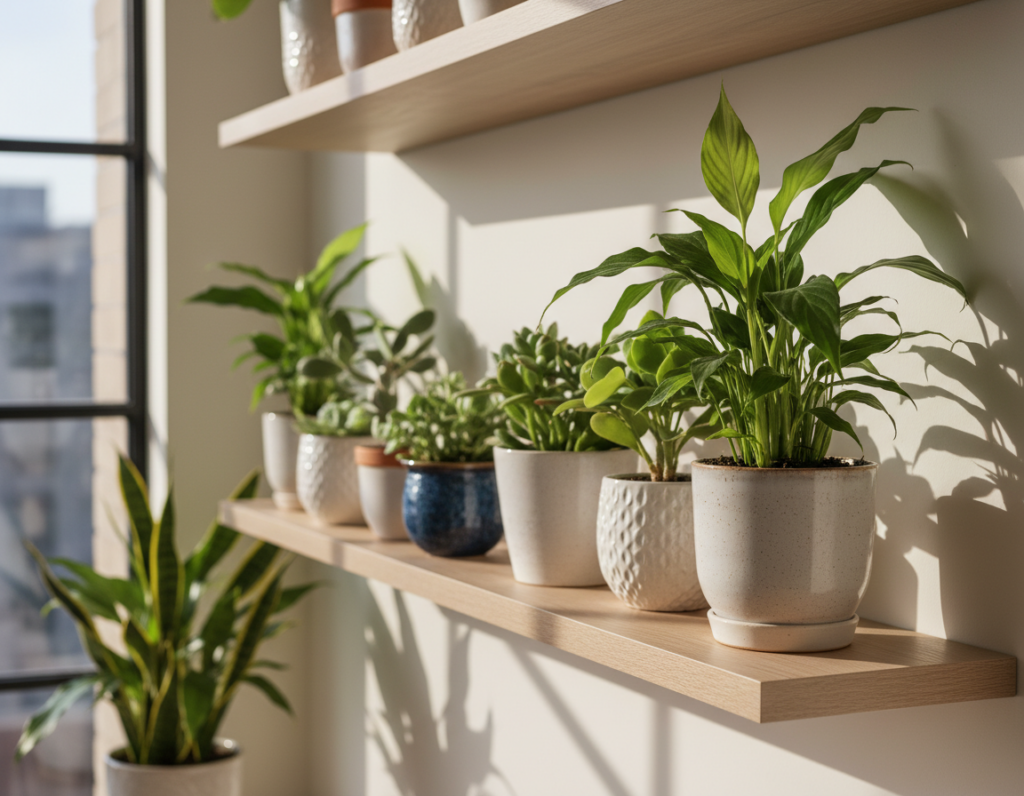
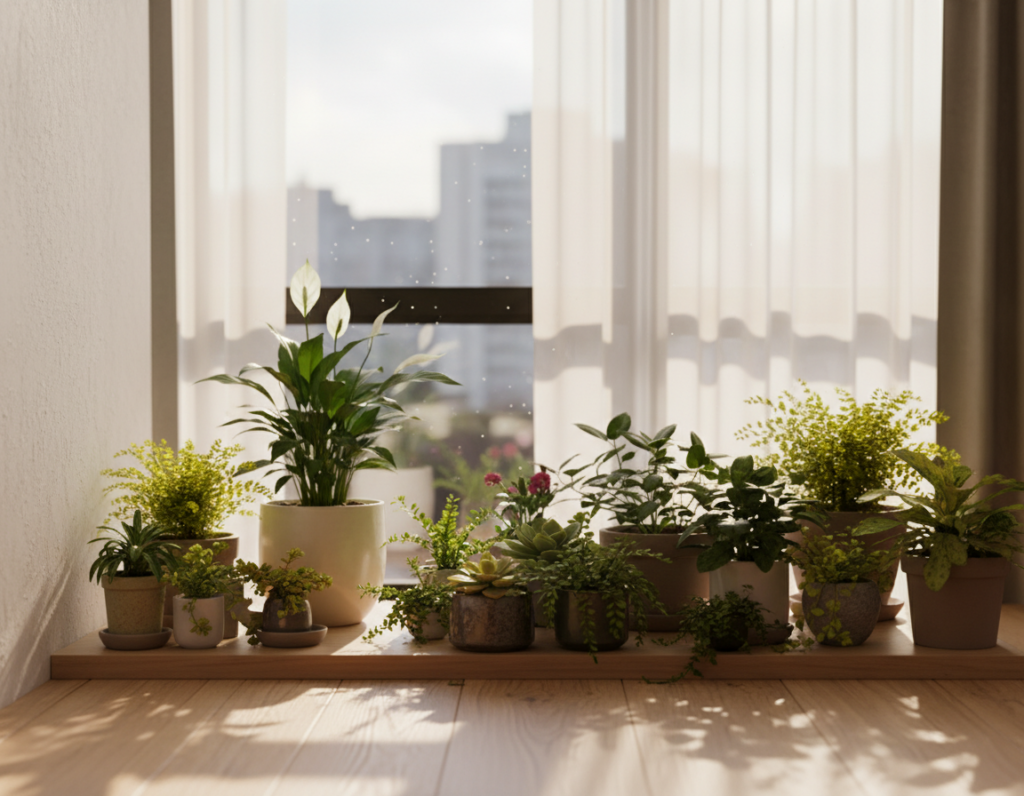
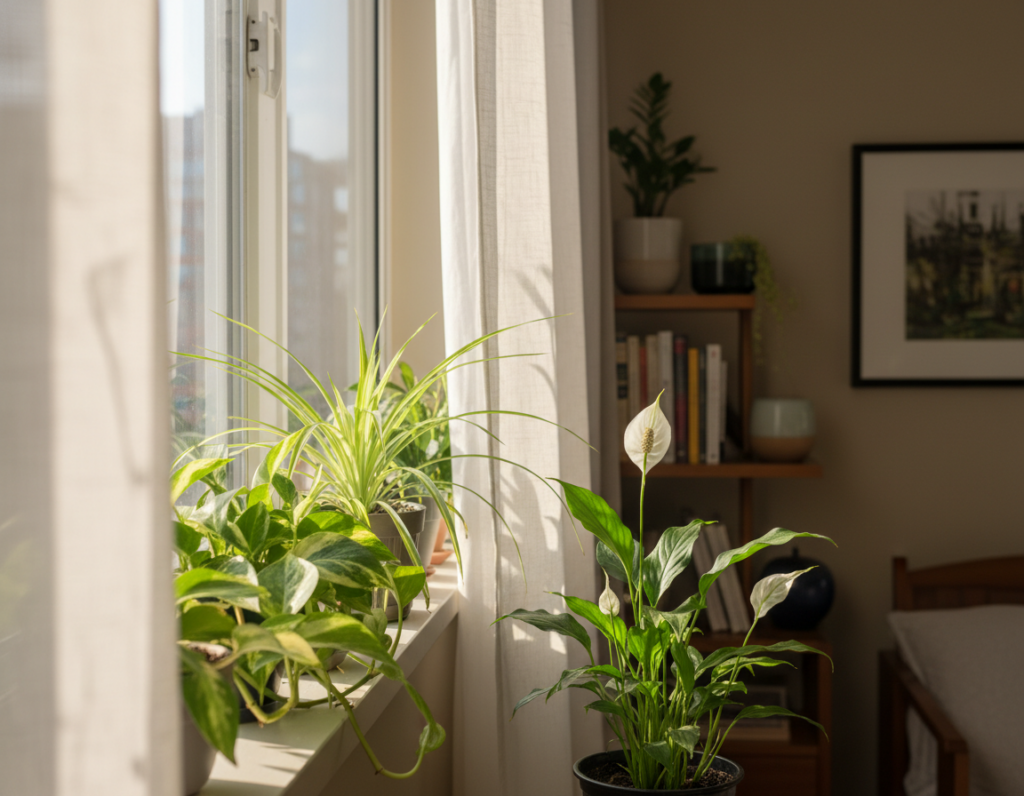
Finding resilient greenery that survives a week away can change how a home feels. This guide highlights the best easy small indoor plants for travelers that need minimal attention while owners are on the road.
The review focuses on hardy species that tolerate irregular care. It helps busy professionals and frequent flyers maintain lively houseplants without daily chores.
Whether ’re a road warrior or a parent juggling work, this concise review outlines durable options and simple care tips. Readers get practical advice to keep their home bright and green even during extended trips.
Why Travelers Need Resilient Greenery
A traveler’s home performs best when its greenery survives variable light and air quality. Selecting robust specimens helps maintain a fresh, lived-in feel even during long absences. This review emphasizes species and strategies that withstand changing conditions.
Resilient houseplants and small trees tolerate gaps in care and shifts in humidity or light. They reduce the risk of brown leaves and drooping stems while owners are away. FastGrowingTrees.com offers options that thrive with low intervention.
Choosing the right houseplant also improves indoor air and boosts mood. Durable selections create a stable ecosystem that keeps a home inviting without daily upkeep.
- Hardy greenery endures varied conditions and sporadic watering.
- Thoughtful picks make maintenance predictable and simple.
- Well-chosen species protect indoor air quality and the look of a room.
The Best Easy Small Indoor Plants for Travelers
Frequent departures require specimens that stay healthy through multiweek absences. This curated list highlights houseplant choices that commonly survive 3–4 weeks without water and tolerate varied light.
Each entry was vetted in our review for drought tolerance, resilience, and low upkeep. They are ideal when a person must leave home for extended time and wants reliable greenery on return.
Practical benefits:
- They prefer infrequent watering and bounce back after dry spells.
- They adapt to different indoor light and humidity levels.
- They reduce stress about plant care while someone is gone for weeks.
“This list focuses on species proven to thrive for weeks with minimal attention.”
With these selections, a traveler can leave home confident that their houseplants will remain healthy. The list that follows in the article gives specific names and simple prep steps to ensure success.
Snake Plants for Low Maintenance Living
Snake plants stand out as a top choice when low upkeep and steady performance matter. This guide explains why the snake plant is a practical pick for busy households and frequent departures.
Varieties to Consider
Sansevieria trifasciata and dwarf cultivars fit compact spaces, while Sansevieria cylindrica and moonshine varieties reach greater height. Each variety keeps its signature upright form and green leaves that add a crisp look.
Ideal Light Conditions
The snake plant tolerates low light and also accepts bright, indirect sunlight. It needs minimal care and recovers quickly after dry spells.
- Top pick: Diehard tolerance to low light.
- Height range: From about 10 inches to 5 feet.
- Soil: Adapts to a variety of well-draining mixes.
Review notes confirm the snake plant is one of the best low light survivors. Its resilience makes it a safe choice when selecting greenery that won’t require daily attention.
ZZ Plants and Their Shiny Foliage
ZZ plants bring glossy, architectural foliage that keeps a room lively even during long absences. Their shiny leaves hold a sleek beauty that seems to last for days.
Often touted as a low light option, this review finds they actually perform best with a little indirect sunlight. Moderate exposure speeds growth and deepens color.
As the specimen matures it takes on an arching habit and a refined silhouette. The form makes this a stylish houseplant that elevates decor with minimal fuss.
These houseplants are exceptionally hardy. They handle varied conditions and require little hands-on care, so owners can leave home without worry.
Practical takeaway: the ZZ is a reliable, low-maintenance plant that adapts across a range of light settings. This review recommends it for anyone who wants lasting green without daily chores.
- Glossy foliage and sculptural form.
- Better with moderate sunlight than deep shade.
- Resilient through multi-day absences.
Aloe Vera for Utility and Drought Tolerance
The Aloe vera plant serves dual roles: a resilient green presence and a ready source of soothing gel. It stores moisture in thick leaves, so it tolerates missed days without fuss.
Care is straightforward. This succulent thrives in moderate to bright indirect sunlight. Keep it away from direct, hot sun that can scorch the leaf tips.
Medicinal Benefits of Aloe
Aloe provides a convenient kitchen remedy. A torn leaf yields gel that helps soothe minor burns and skin irritation.
- The plant stores its own water, so it survives dry air and sporadic watering.
- Our review shows it prefers well-draining soil and to be allowed to go soil dry between watering sessions.
- It performs well in moderate to high light conditions but dislikes intense direct sun exposure.
- With minimal care, Aloe remains useful and healthy, offering both decor and a practical leaf to use when needed.
Pothos Varieties for Easy Propagation
Pothos is a top pick when propagation and low-maintenance growth are priorities. A single cutting roots readily and can multiply into many healthy shoots within weeks. This trait makes it an excellent plant to propagate before a trip or to share with friends.
Easy Propagation
Propagation is straightforward: place a stem cutting with a node in water until roots form. Root growth often appears in a few weeks, and once roots are established the cutting can move to soil or remain in water.
- Beginner friendly: the Pothos plant is one of the best varieties for newcomers because it roots reliably in water.
- No special soil needed: our review shows it thrives in standard potting mixes and varied light levels.
- Low watering needs: it will endure short absences and keep trailing leaves lush.
- Versatile growth: one cutting can produce a dozen stems, filling a shelf or hanging basket with cascading foliage.
Review takeaway: Pothos combines forgiving care with fast propagation, making it a practical choice for anyone who wants abundant greenery with minimal fuss.
Monstera Adaptability in Indirect Light
The Monstera tolerates a range of light levels while still offering dramatic, split leaves that feel like nature brought indoors.
The plant thrives in indirect light and prefers bright, filtered sunlight rather than harsh rays. It also performs well in low light or fluorescent rooms, so placement is flexible.
Our review recommends letting the soil dry about 2 inches down before you water. Allowing the soil dry helps prevent root rot and suits people who leave home often.
Care tip: mist the leaves occasionally, especially in dry climates, to lift humidity without extra fuss. A quick spray preserves the tropical look and supports healthy foliage.
- Adaptable houseplant that brings a tropical beauty to living spaces.
- Resilient under varied light and forgiving when skipped a watering day.
- Simple soil and humidity cues make it reliable per our review.
Xanadu Philodendron for Lush Tropical Vibes
The Xanadu Philodendron brings a lush, tropical statement without demanding constant upkeep. Its glossy leaves create instant beauty and a sense of depth in entryways and living rooms.
Our review confirms this plant rarely exceeds a 4-foot height, making it a reliable one to fit compact spaces without dwarfing decor.
It is a fast-growing plant that thrives with sporadic attention. The Xanadu tolerates occasional skipped waterings and bounces back quickly after neglect.
- Effortless houseplant: offers tropical looks without complex care, unlike some trees with high demands.
- Size-friendly: stays under 4 feet in most homes, ideal for entryways or beside sofas.
- Travel-ready: a resilient option that maintains lush foliage during short trips away.
“This philodendron dazzles with minimal fuss and remains a dependable favorite in our review.”
Small Succulents for Sunny Windowsills
Compact succulents bring high-impact texture to a sunny sill without demanding much space. They are a smart choice when sunlight and limited square footage are the main constraints.
Haworthia Characteristics
Haworthia cymbiformis
Haworthia cymbiformis stays tiny, often reaching about 8cm. Its thick leaves store water and tolerate bright, indirect light. This variety fits a narrow shelf or a kitchen ledge and needs well-draining soil and light, occasional watering.
Echeveria Rosettes
Echeveria minima makes compact rosettes near 4cm across. These rosettes hold shape under strong sunlight and add neat green leaves to a windowsill. They prefer moderate direct sun and sparse watering between dry cycles.
Moonstones Care
Moonstones (Pachyphytum oviferum) bring silvery, rounded leaf color to a desk or shelf. They grow slowly, so they won’t outgrow pots while someone is away. With minimal care and indirect light, they remain a durable nature accent.
Essential Watering Tips Before You Depart
Before leaving, a deliberate deep watering routine sets houseplants up to survive longer absences. Give each pot a slow, thorough soak so water reaches the bottom of the soil. This helps roots stay hydrated for days while someone is away.
Our review recommends avoiding frequent, shallow watering. Shallow watering dries roots out faster and stresses the plant. Instead, water until excess drains from the pot, then empty any saucers.
If someone ’re gone for weeks, water deeply once every 3–4 weeks before departure. That timing keeps moisture available without promoting constant dampness. Let the top of the soil go partially soil dry between sessions.
- Make sure the saucer is empty after watering to prevent root rot.
- Adjust the routine by species and home humidity.
- For actionable how-to steps, consult a practical link to keep plants watered on long trips: keep plants watered on long trips.
“A deep, thoughtful soak before travel gives the best chance that greenery returns healthy.”
Managing Humidity and Light Conditions
Balancing moisture in the air and soil helps greenery cope with gaps in daily care. Before departure, they should make sure the room humidity and light match each plant’s needs.
Our review finds that dry air and poor circulation are common enemies of healthy foliage. Low humidity stresses leaves and increases water loss from the soil.
Practical steps include grouping pots to raise local humidity and placing a tray of water near the collection. These simple measures create a microclimate that reduces rapid soil drying.
- Check soil moisture and water deeply only when the top inch is dry.
- Adjust light so bright, indirect light reaches most pots during the day.
- Group plants to boost humidity without a humidifier.
Final note: brief checks of soil and a targeted watering routine before travel improve survival. This review recommends a quick humidity and light audit to keep any houseplant steady while away.
Conclusion
With the right selections, greenery returns to a welcoming home even after several weeks away. This review wraps up a practical list of resilient options that suit busy schedules.
The review highlights each houseplant’s strength and care needs. It shows which indoor plants withstand gaps in attention and varying light.
Apply the watering and light tips before departure to give specimens the best chance to thrive. A quick prep helps them survive the time away and come back healthy.
Overall, this review aims to make travel simpler. Choose durable varieties and follow basic routines so your space stays lively while you are gone.